





In the weeks after a loss, people do something that looks irrational to anyone who hasn't done it: they hold clothing to their face. They sit in a chair that belonged to the person. They keep a small bottle of perfume sealed because the smell is still the right smell.
This is not irrationality. It is the olfactory memory system working exactly as designed — and one of the most human experiences the nervous system produces.
Why Scent Is the Last Trace
When someone dies, their visual presence disappears immediately. Their voice, if recorded, becomes a record — fixed, unchanging. But their scent lingers.
Olfactory compounds are physical molecules — they can remain in fabric, in wood furniture, in a car's upholstery for weeks or months. A person's skin-smell combination — the particular microbiome, sebum chemistry, and fragrance they wore — persists in the objects they touched because those objects absorbed and are slowly releasing those molecules.
This is not memory. For a short time after loss, it is still the actual physical presence of the person in another form.
The Amygdala's Response to Loss-Encoded Smells
The brain encodes scents during periods of high emotion more deeply than during neutral periods. Proximity to death — whether anticipated or sudden — involves the most intense emotional states humans experience. The scent of a person during these days is encoded with extraordinary depth.
When you encounter that smell again — on their clothing, or because someone else is wearing something similar — the amygdala's response is full and immediate. Not a memory of the person. The emotional state of being with them.
Grief researchers have documented that scent-triggered moments of "presence" — sudden, overwhelming sensory experiences of a lost person — are among the most commonly reported and most distressing aspects of bereavement. More sudden than visual memories, more physically overwhelming.
The Specific Smell of Indian Loss
Indian funerary traditions have always understood this dimension of scent.
Sandalwood — used in the funeral pyre — is the smell of death and departure in Hindu tradition. It is one reason sandalwood's encoding in Indian memory is so layered: it encodes birth ceremonies, marriages, daily prayer, and death. The full arc of life is present in a single ingredient.
The burning of specific incense at the shraadh (mourning rituals) creates a fragrance context that, once experienced, triggers the encoded grief and reverence whenever it is encountered again. This is intentional — the ritual uses fragrance to create a sensory anchor for the experience of loss, so that it can be re-entered deliberately in future rituals.
This is sophisticated olfactory psychology practiced long before modern neuroscience provided the framework.
Preserving and Letting Go
Grief counsellors have documented a specific phenomenon: bereaved people often delay washing a loved one's clothing or replacing their pillow because the smell remains and washing removes it. Once gone, the smell cannot be recovered — the molecular presence dissipates.
Some people keep a bottle of the person's perfume sealed, to be opened only occasionally. They understand intuitively that smell access is finite and non-renewable in a way that photographs and recordings are not.
There is no protocol for this. The timelines vary. What matters is that the impulse — to preserve the olfactory trace — is not disordered. It is one of the most ancient and human responses to loss.
What This Says About Fragrance Choice
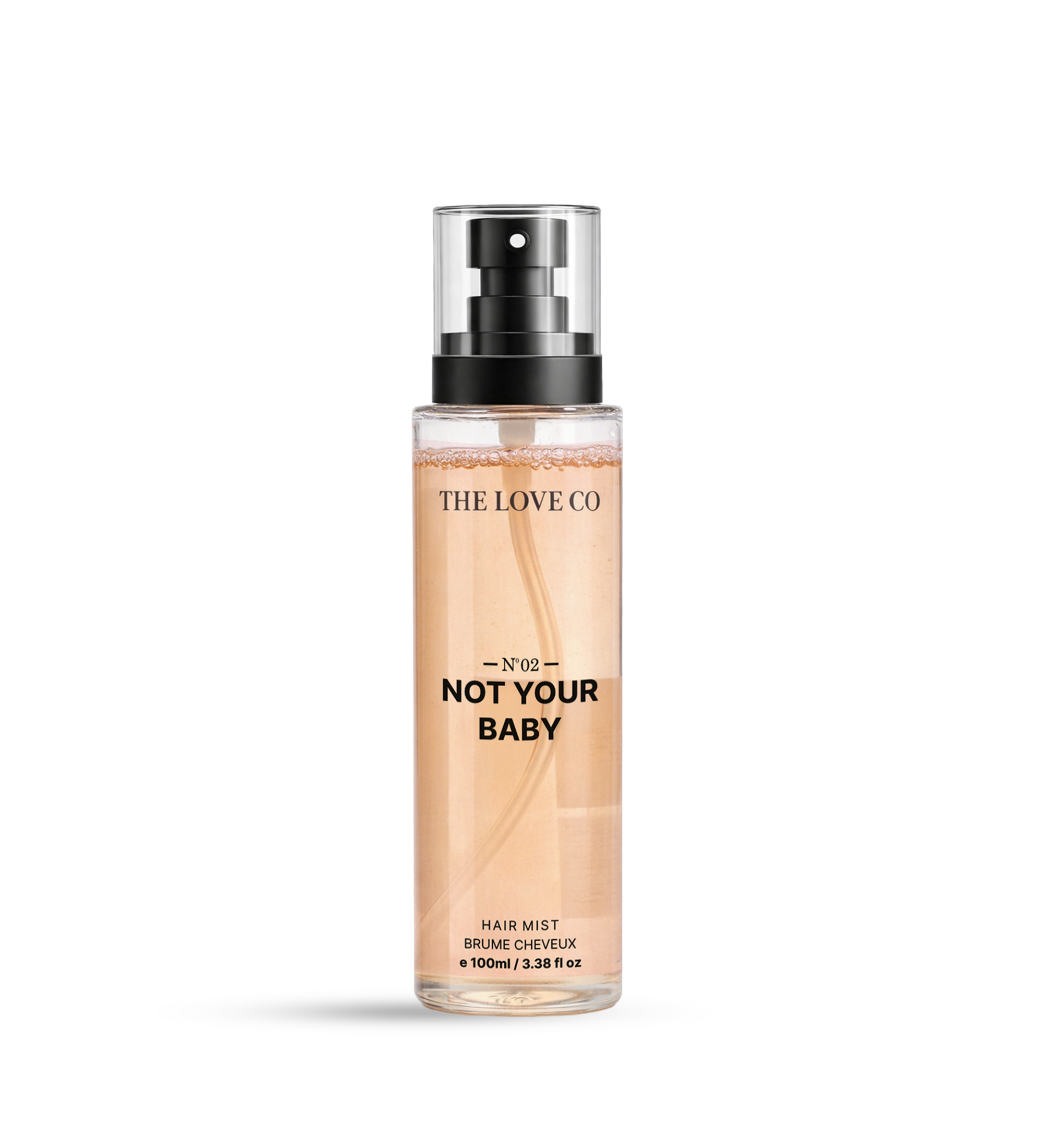
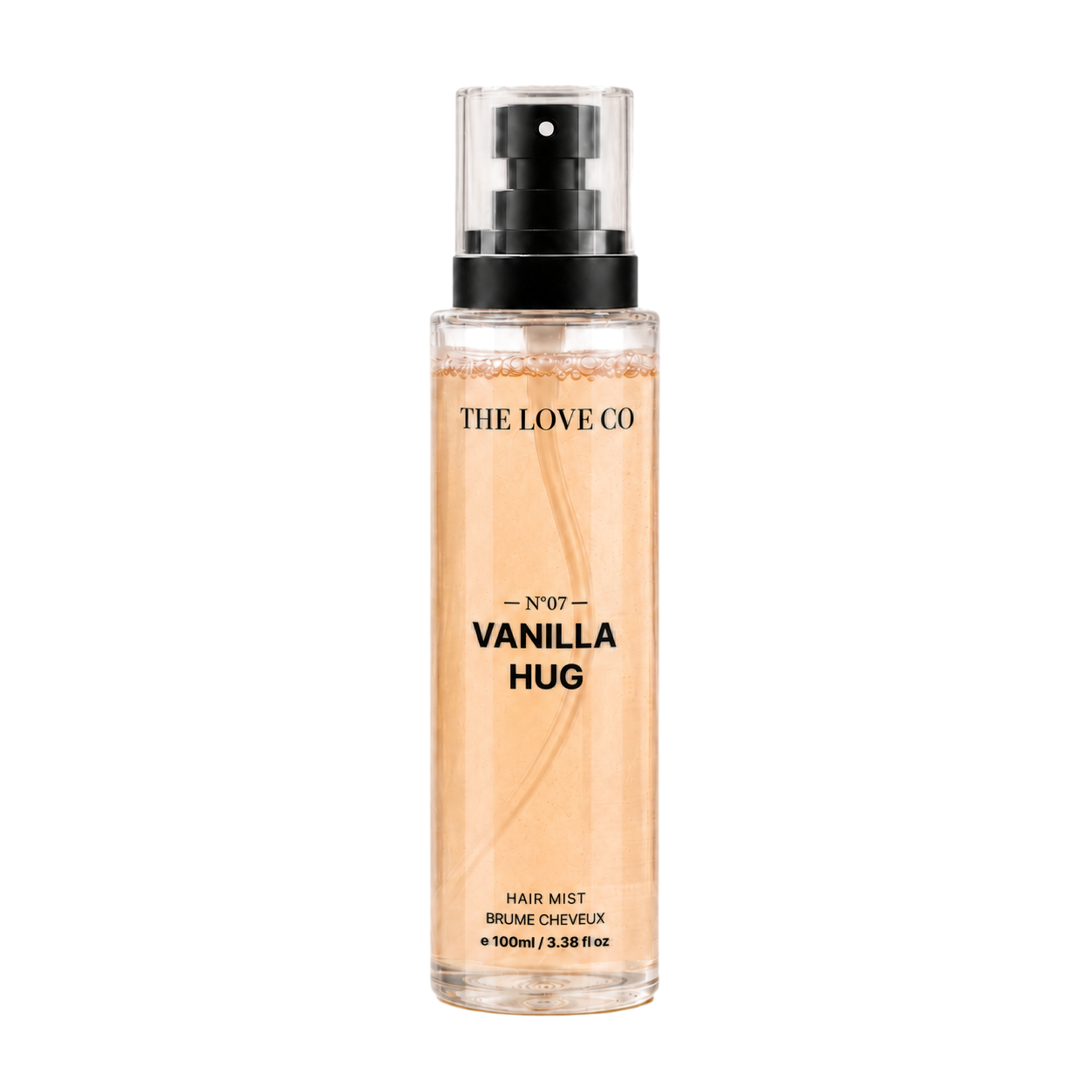
The fragrance a person wears in life is the fragrance their family will associate with them after they're gone. The person who wears a consistent, natural, long-lasting fragrance — whose smell is reliably themselves, not a rotating series of bottles — leaves behind a cleaner, more specific olfactory memory.
A fragrance-led body care system worn daily, built on the same core ingredients, creates exactly this: a scent identity that is continuous, consistent, and recognisable.
It becomes who you smell like. Which is, for people who love you, part of who you are.
The Love Co is India's first fragrance-led body care brand. Built on ingredients that stay — because what matters most should last.
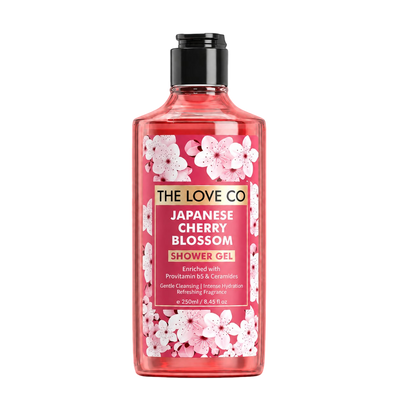
Japanese Cherry Blossom Body Wash
Scent Trail Step 1 · soft floral body wash Start the Scent Trail here. A pH 5.5, SLS-free cleanser that protects your skin barrier while it washes —...
A ritual is the smallest love you give yourself, daily.
— Hemang Jain · 20 May 2026