



Before the lights, before the sweets, before the firecrackers — Diwali has a smell.
It arrives days before the festival itself: the sharp, earthy scent of clay diyas being cleaned and filled with oil. The heavy sweetness of marigold garlands strung across doorways. The first agarbatti lit at the start of the cleaning ritual that precedes every Diwali in every household.
For hundreds of millions of Indians, this smell is the smell of expectation. The olfactory signal that something extraordinary is about to happen.
The Diwali Fragrance Map
Agarbatti and dhoop: Incense burns throughout Diwali — at puja, at the threshold, to purify the home before Lakshmi's arrival. The specific variety differs by household and region: sandalwood in the South, rose and jasmine in the North, camphor-heavy dhoop in Maharashtra. But the category is constant. The smell of smoke carrying fragrance upward is the smell of devotion in Indian culture, and Diwali is its most concentrated expression.
Mitti attar: The fragrance of earth after rain, distilled in Kannauj into attar form. Applied in small quantities — a drop on each wrist — mitti attar is a specifically Diwali fragrance in many North Indian households. It bridges the rain-heavy months just ended and the dry winter beginning.
Marigold: The smell of marigold — genda phool — is inseparable from Indian festival context. Slightly bitter, green, intensely floral, it appears at temple offerings, at decoration, at the garlands around deity idols. Marigold doesn't appear in Western perfumery as a primary note; in India, it is the smell of auspiciousness.
Ghee: The smell of ghee — clarified butter — burning in diyas is specific and ancient. Slightly nutty, fatty, warm. It is the smell of actual fire, of actual flame, of light being created at the chemical level. No LED Diwali decoration reproduces it.
Mithai: The sugar and cardamom and rose water of Indian sweets — halwa, barfi, laddoo — being prepared and distributed. The kitchen on Diwali eve smells of these compounds simultaneously: elaichi, sugar caramelising, rose syrup, saffron.
Gunpowder: The sulphur-potassium nitrate signature of firecrackers. Sharp, acrid, unmistakable. For anyone who grew up in India, this smell — however mixed one's feelings about it now — is permanently encoded as the smell of night on Diwali, the smell of neighbourhood, the smell of being small and allowed to stay up late.
Why Diwali Smell Is So Durable
The durability of Diwali fragrance memories is explained by everything we know about olfactory memory.
Emotional intensity: Diwali is the highest emotional peak of the year for most Indian families. Events encoded during peak emotional states form more durable memories.
Novelty: These smells appear in this specific combination only once a year. The olfactory system treats novel combinations as worth encoding — the same reason you remember a unique restaurant more clearly than a familiar one.
Repeated exposure across years: The same smell, in the same emotional context, year after year from early childhood through adulthood. Each repetition consolidates the memory rather than competing with it. Diwali smells don't blur together; they stack.
The Connection to Indian Fragrance Ingredients
The Diwali fragrance vocabulary — agarbatti smoke, attar on skin, marigold, rose water — is built almost entirely on Indian fragrance ingredients. Kannauj rose in the ritual water. Mysore sandalwood in the incense. Vetiver-based attars applied at puja.
These are not decorative choices. They are the olfactory grammar of Indian sacred time, refined over centuries.
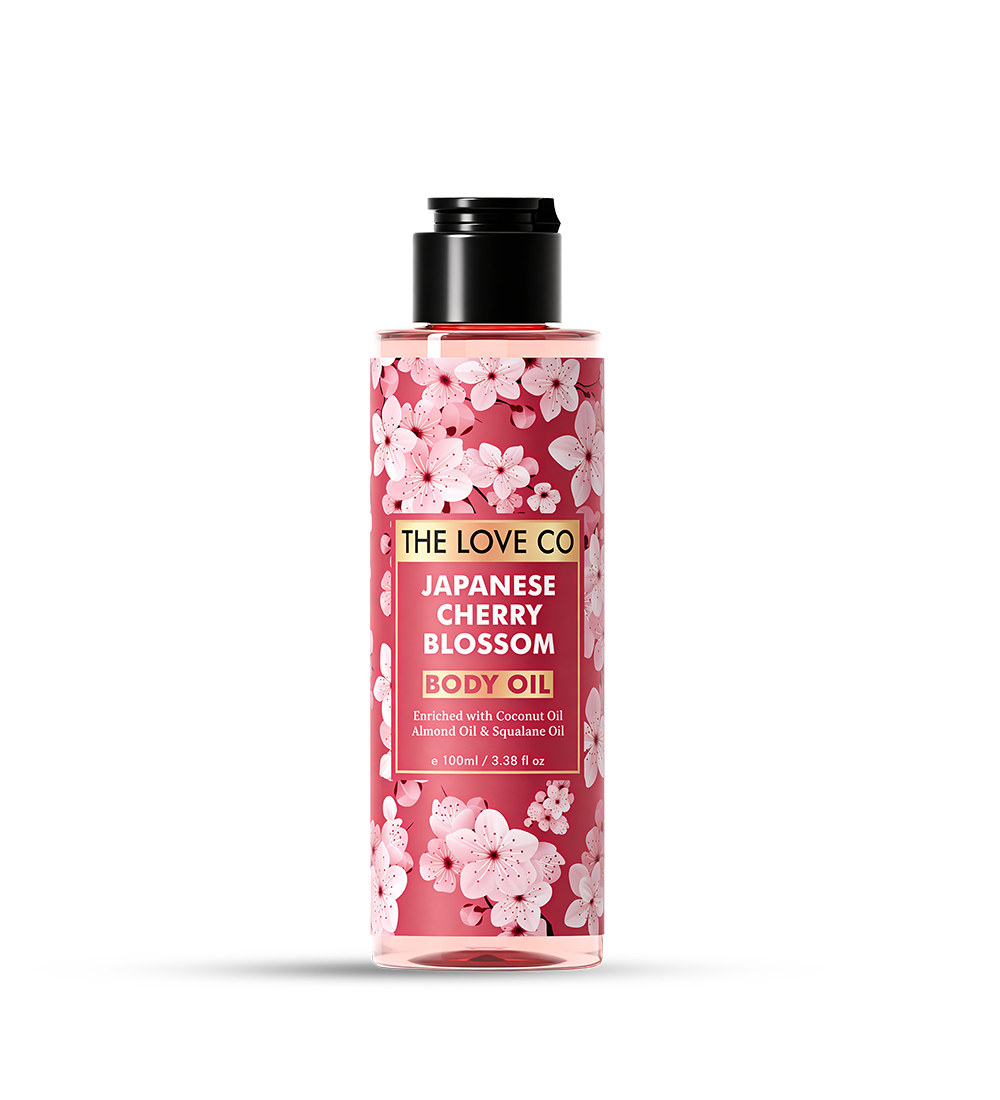
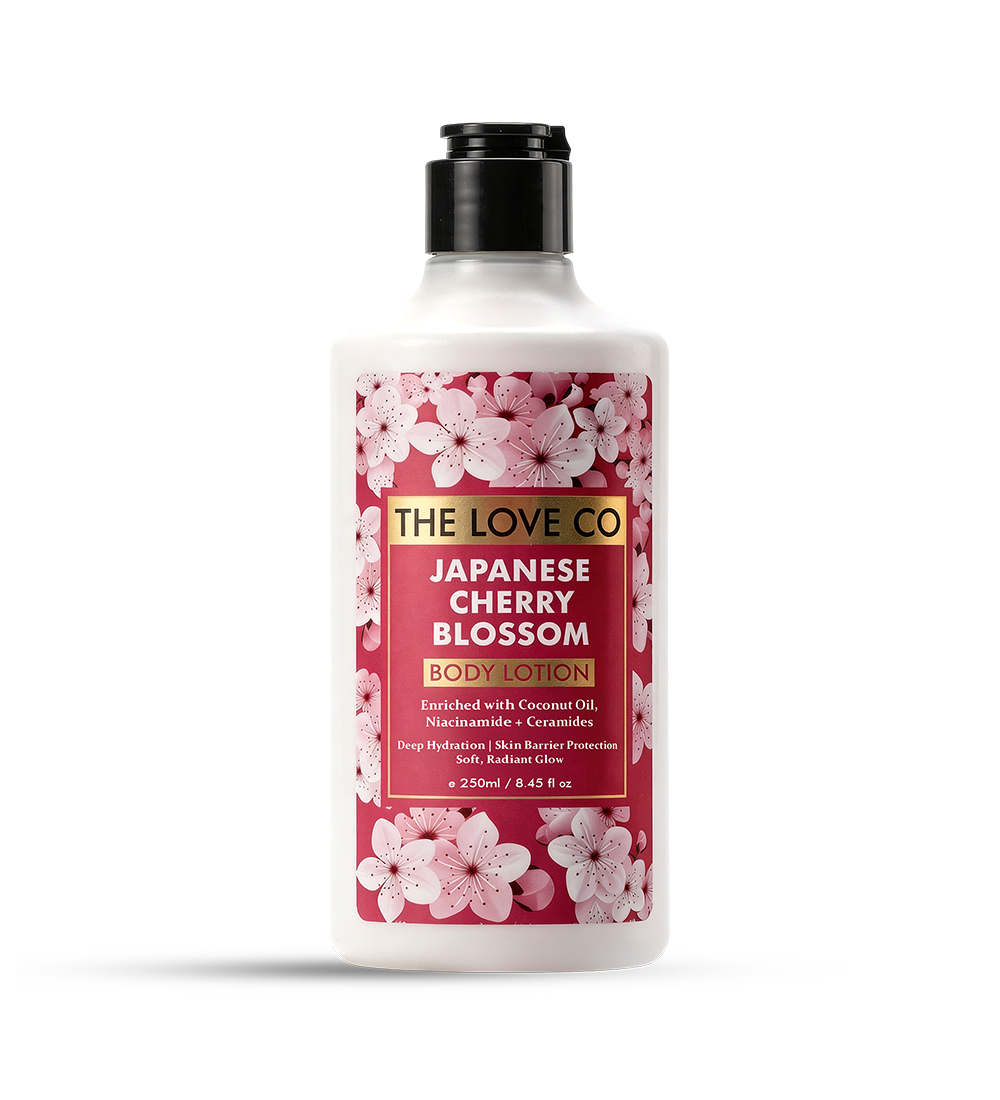
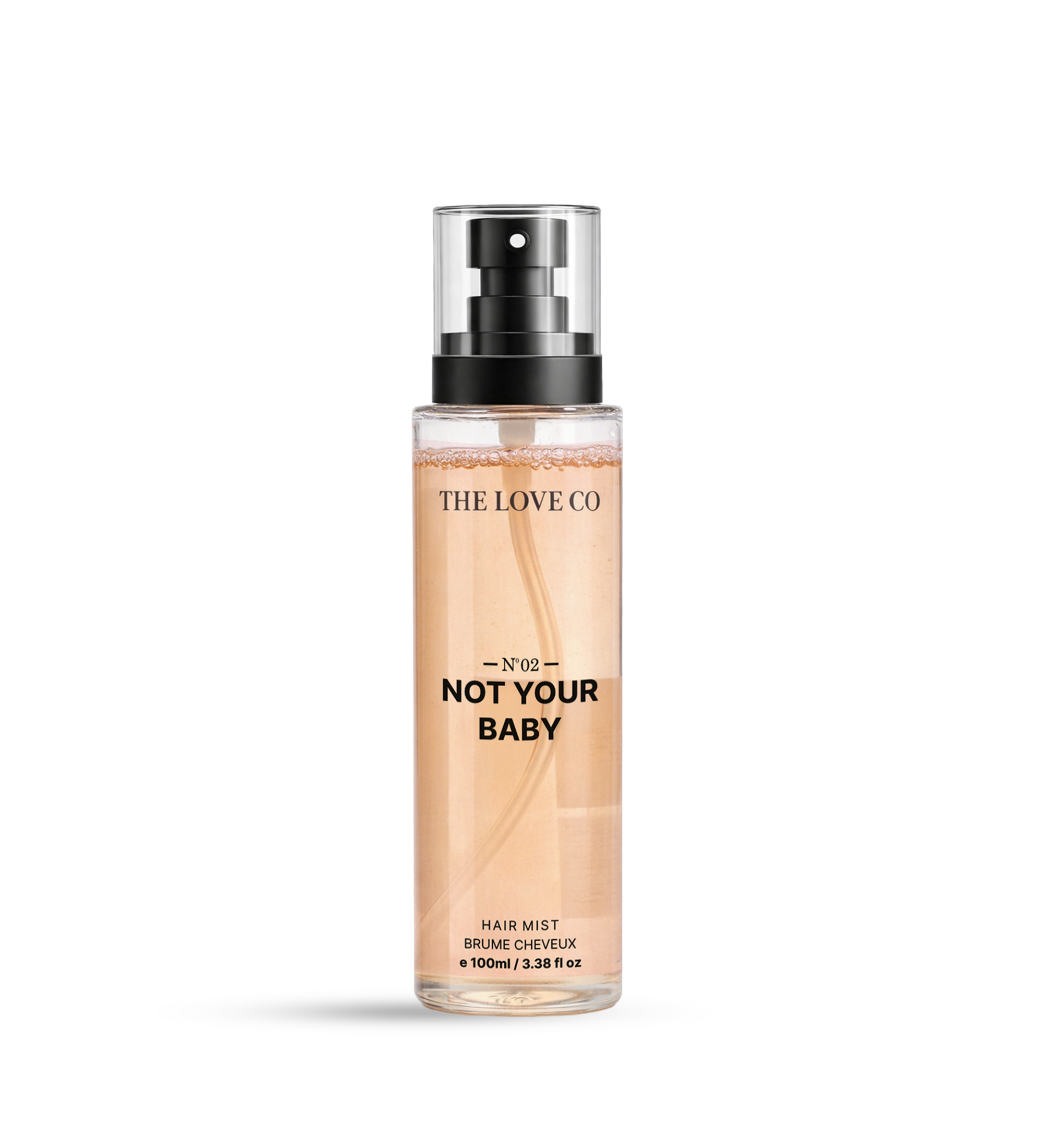
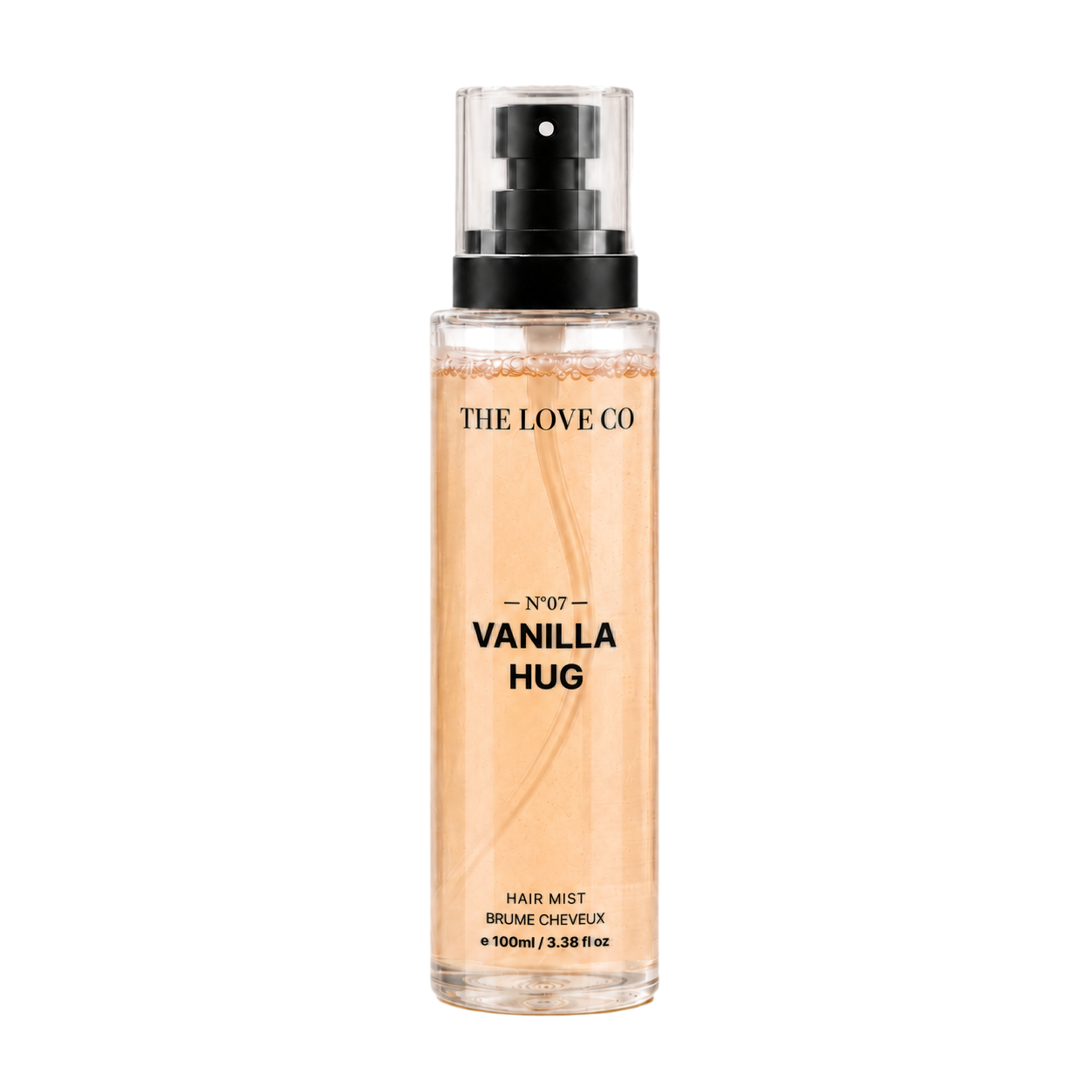
When The Love Co builds body care on Kannauj rose, Mysore sandalwood, and Tamil Nadu vetiver, it draws from the same vocabulary. Not nostalgia — resonance. The smell of something real, from somewhere real, that your body already knows.
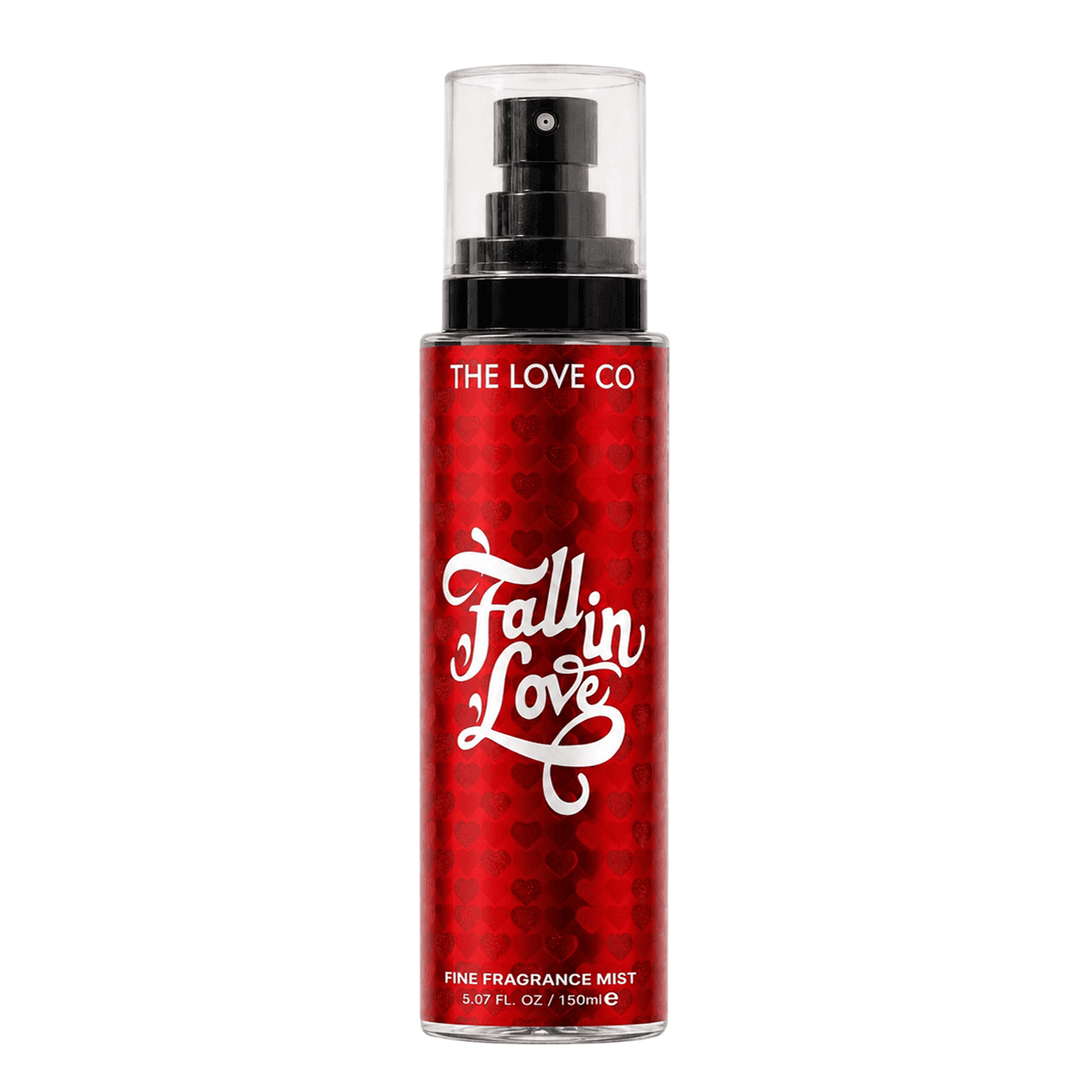
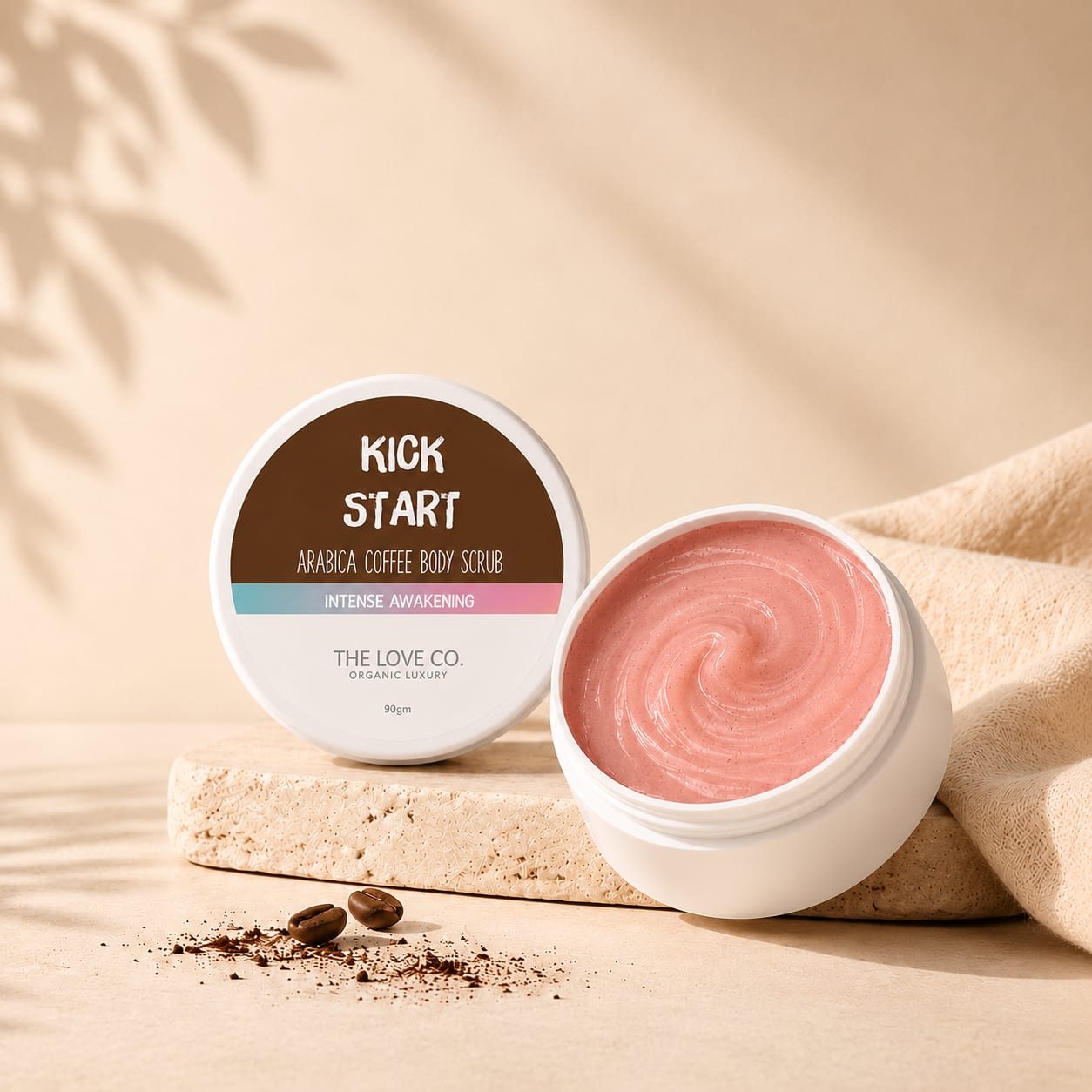
The Love Co is India's first fragrance-led body care brand — built on the ingredients of India's most sacred fragrance memories.
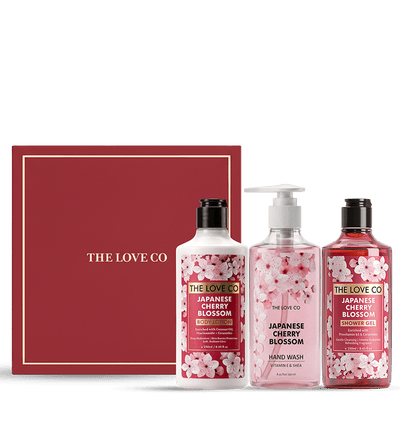
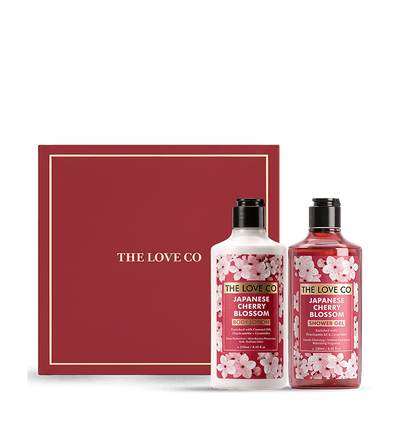
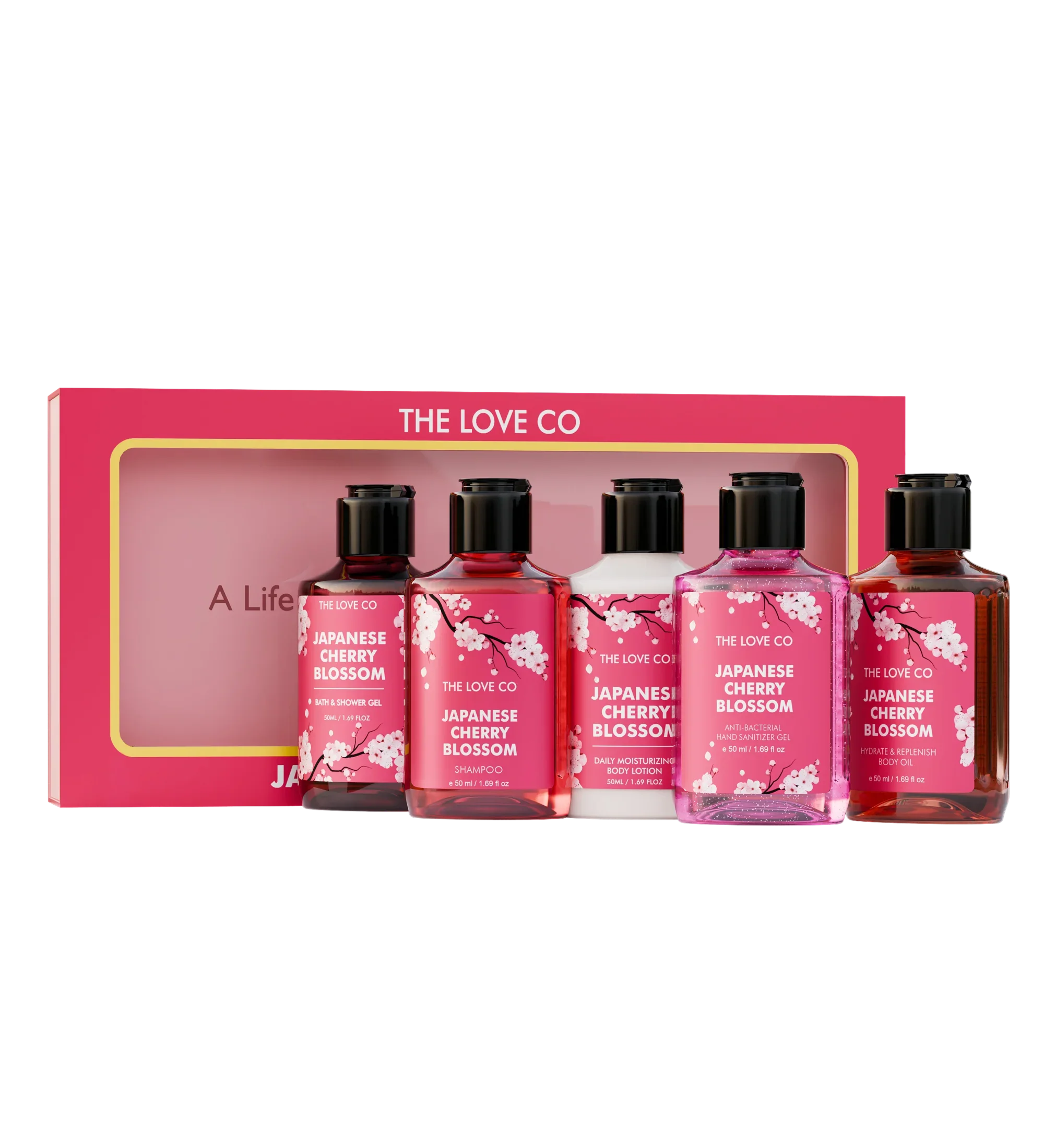
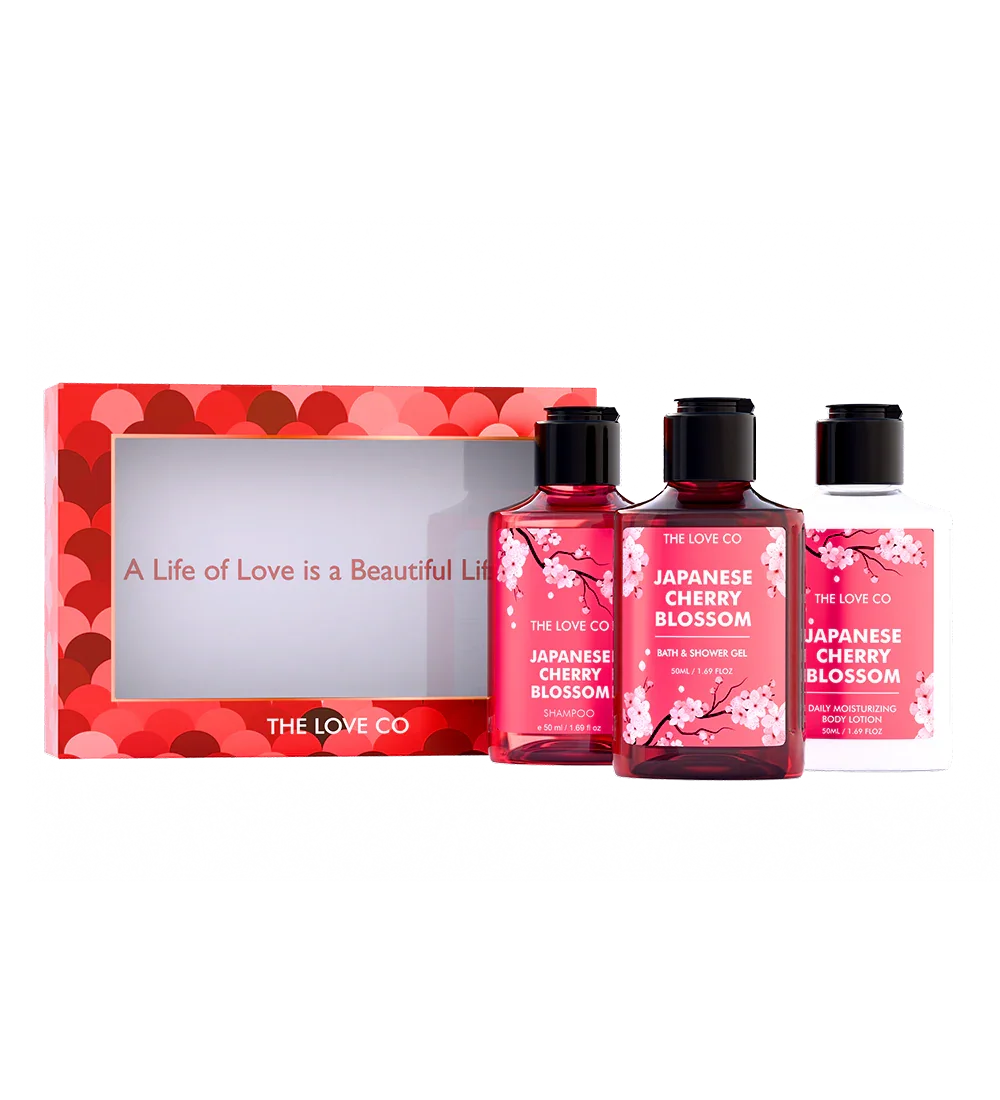
Japanese Cherry Blossom Trio Gift Set
The full Sakura trio.Three full-size Japanese Cherry Blossom essentials — the complete three-step Sakura ritual in one gift box.The ritualWash → lotion on damp skin → mist on...
A ritual is the smallest love you give yourself, daily.
— Hemang Jain · 20 May 2026