
Walk into a house you grew up in, or one that reminds you of it, and something happens before you've looked around.
The smell arrives first. And with it: a quality of sensation that is different from ordinary memory. Not recalling home. Being in home, briefly, in the body.
This is the smell of belonging — the most deeply encoded olfactory experience in most human lives.
What Makes the Smell of Home
Every home has a distinct olfactory signature — a composite of:
Architectural materials: The particular combination of wood, stone, concrete, or tile. Old houses have layered smells: decades of cooking, cleaning products, human habitation absorbed into walls and floors.
Food: The spices and oils of regular cooking become permanent. An Indian household that cooks daily with mustard seeds, curry leaves, garam masala, and ghee has an olfactory signature that is as specific as a fingerprint. The particular combination of your family's cuisine — not just "Indian food" but your family's Indian food — is encoded with total specificity.
Cleaning products and soaps: The specific brand of floor cleaner, the particular agarbatti used, the family's preferred soap. Phenyl floor cleaner, sandalwood agarbatti, coconut-scented soap — the combination is unrepeatable.
Bodies: The skin smells of the people who live there — layered with their personal care products, their specific microbiomes, the particular smell of sleep.
Seasonal inputs: The monsoon smell through specific windows, the smell of heat off the courtyard in summer, the winter morning smell of a blanket pulled around you.
This composite is never exactly repeated anywhere. It is specific to that house, those people, that time.
Why the Encoding Is So Deep
The smell of home meets every condition that olfactory memory research identifies as producing deep, durable memories:
Repetition: Present every day for years or decades of childhood.
Emotional significance: Home is where the most emotionally charged human experiences happen — comfort, conflict, celebration, loss, love, safety.
Early childhood encoding: For most people, the smell of childhood home is present from the earliest period of consciousness — encoded pre-linguistically, in the part of memory that stores felt states rather than narratives.
Uniqueness: Because no home smells exactly like any other, the memory trace has minimal interference from similar stimuli. It stays distinct.
Homesickness as Olfactory Withdrawal
People who leave home — for university, for work, for migration — consistently describe one specific aspect of homesickness: missing the smell.
Not just visual memories of home. The smell. The particular quality of the air in that house, the smell of the kitchen, the specific fragrance of clean laundry done in their family's home.
This makes neurological sense. The smell of home is encoded as safety and belonging in the amygdala. Its absence doesn't produce sadness in the ordinary sense — it produces a kind of ambient dysregulation, a background sense that the safety signal is missing.
The Indian Cooking and Incense Layer
Indian homes have a particularly distinct olfactory signature because Indian cooking and Indian ritual use especially aromatic ingredients.
The combination of daily cooking with whole spices, daily incense burning, coconut oil, and the specific sandalwood-jasmine-rose vocabulary of Indian body care and ritual creates a home smell that is identifiable as specifically Indian in a way that many other food and domestic cultures are not.
For Indians abroad, catching the smell of their specific home spice combination in a stranger's kitchen, or the smell of agarbatti from a neighbour's open window, produces an acute, involuntary return that may be the most powerful form of homesickness.
The fragrance of Indian ingredients is the smell of home for a civilisation.
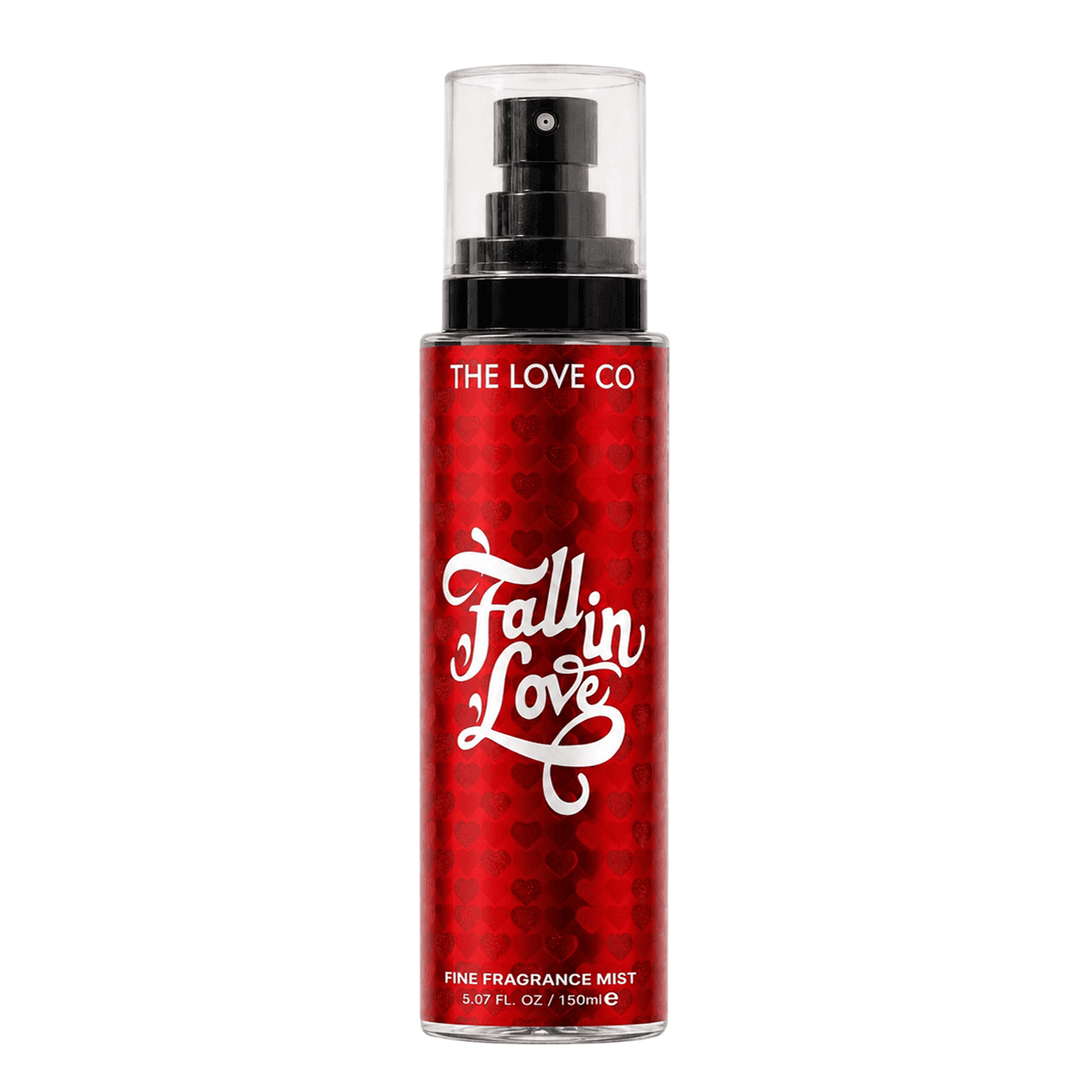
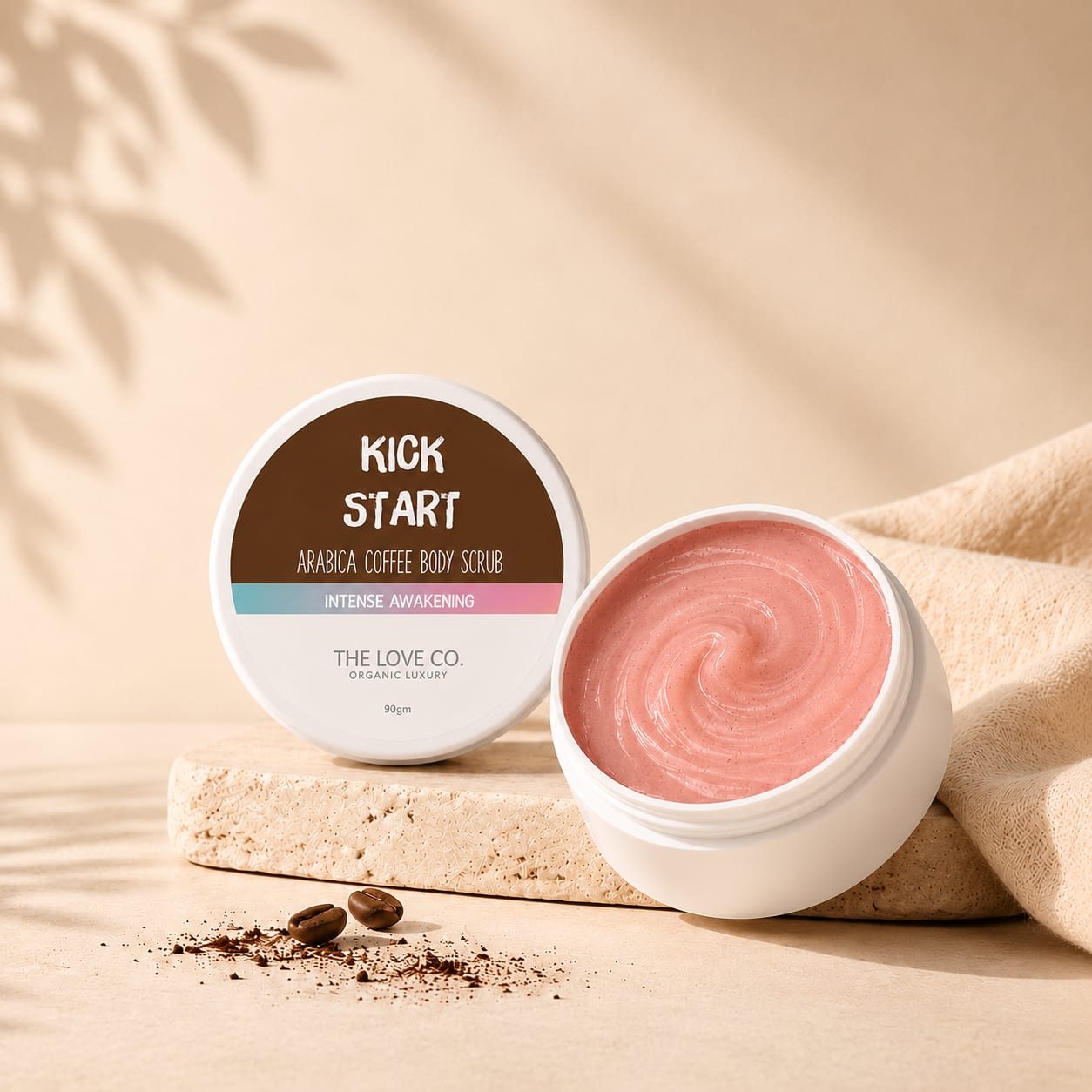
The Love Co is India's first fragrance-led body care brand — built on the ingredients that smell like where India comes from.
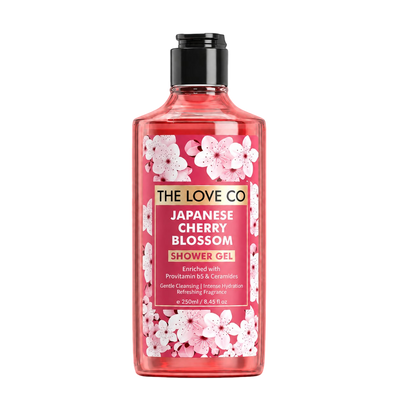
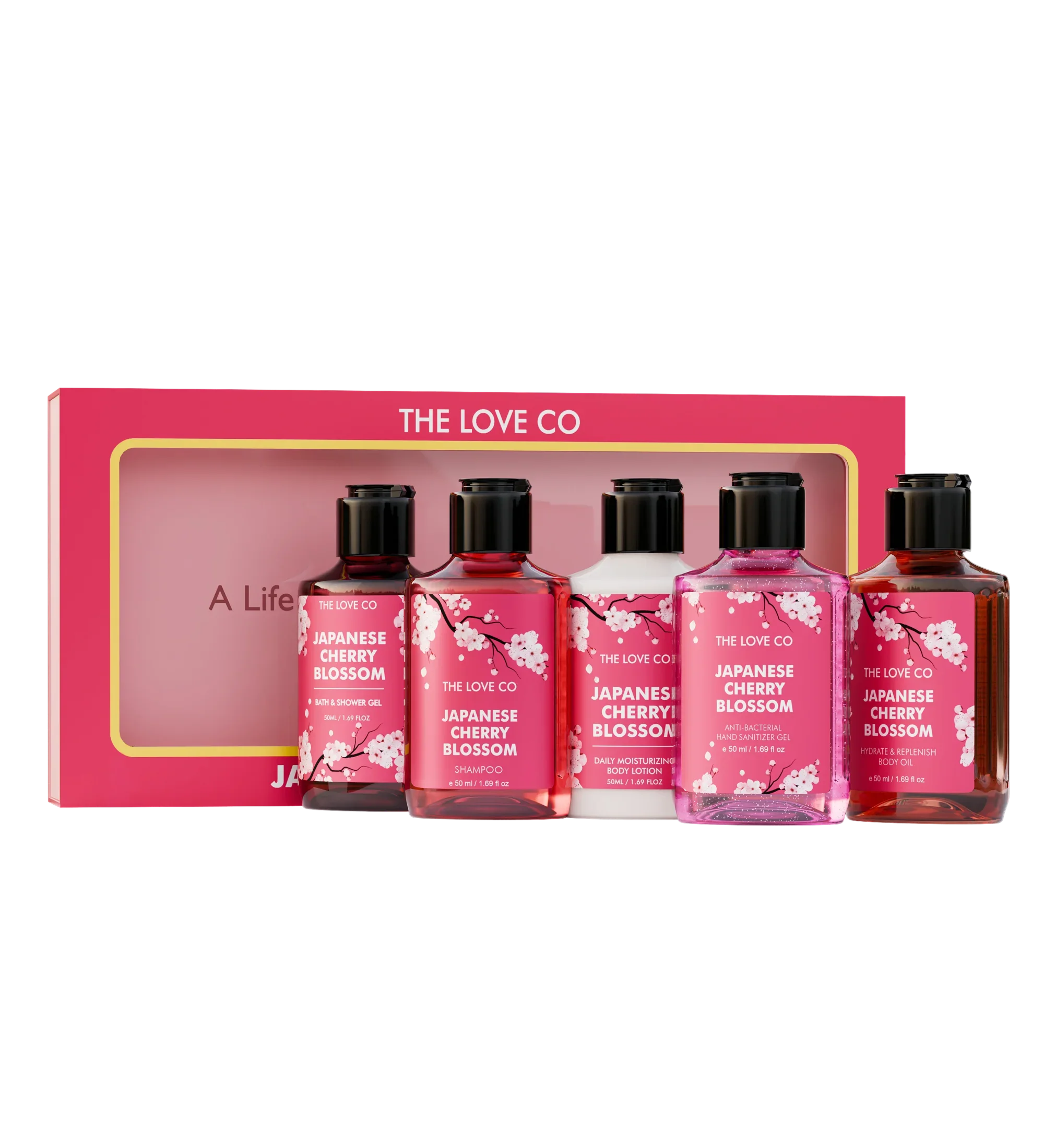
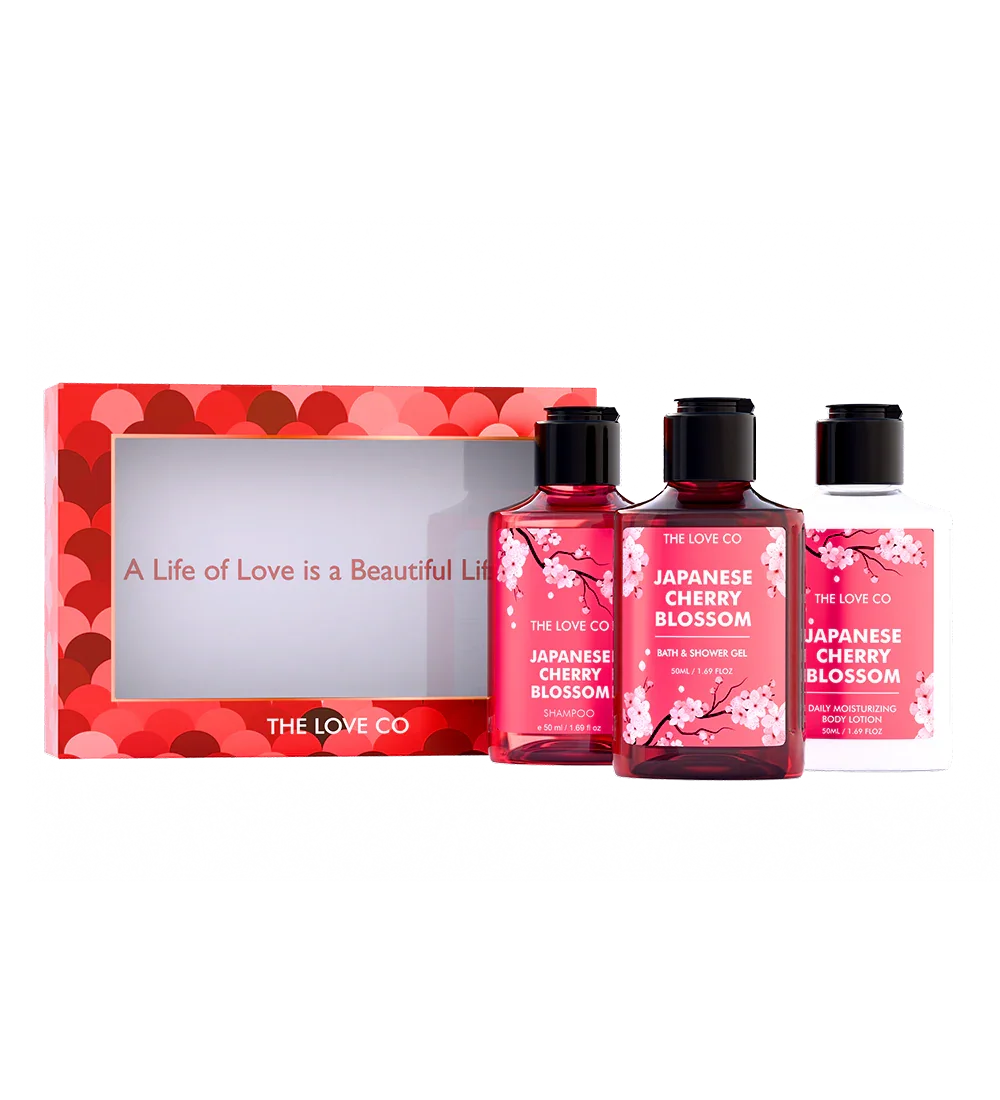
Japanese Cherry Blossom Body Wash
Scent Trail Step 1 · soft floral body wash Start the Scent Trail here. A pH 5.5, SLS-free cleanser that protects your skin barrier while it washes —...
A ritual is the smallest love you give yourself, daily.
— Hemang Jain · 20 May 2026