Photographs fade. Songs lose their emotional charge with repetition. But the smell of a specific place or person can arrive thirty years later and feel like yesterday.
This is not accident or sentiment. Every sense triggers memory — but smell does it differently, and more powerfully. The comparative neuroscience is clear.
The Anatomy of Sensory Memory
Memory encoding involves two key structures: the amygdala (emotional weight) and the hippocampus (contextual information — who, where, when).
For vision, sound, touch, and taste: sensory signals travel to the thalamus first, where they are processed and relayed. By the time they reach the amygdala and hippocampus, they have been filtered and categorised. The emotional encoding happens as a secondary step.
For smell: the olfactory bulb connects directly to both the amygdala and hippocampus simultaneously. There is no thalamic relay. No filtering. The signal arrives with full emotional and contextual encoding capacity from the first moment.
Result: Smell memories encode faster, with more emotional weight, and with more contextual detail than memories triggered by any other sense.
The Research Comparison
Several studies have directly compared memory retrieval across senses. Consistent findings:
Emotional intensity: Smell-triggered memories rated as significantly more emotional than memories triggered by photographs, music, or touch cues — even when the underlying event was the same.
Vividness: Subjects describe smell memories as involving a sense of "being there" — phenomenological presence — rather than simply recalling an event. Visual memories of the same period are typically described as more distant, more like watching a film than re-experiencing.
Age of retrieved memories: Smell memories show earlier retrieval — often from the first decade of life — compared to other senses, which show a "reminiscence bump" in early adulthood (16–25 years). The olfactory memory system has a longer reach into early childhood.
Resistance to fading: Studies tracking memory accuracy over years find olfactory memories show less degradation than visual memories of the same period.
Why Sound Comes Second
Music is the closest competitor to smell for emotional memory. Songs are deeply associated with periods of life and are reliable memory triggers. But music-triggered memories, while emotional, tend to be more diffuse — associated with a period rather than a specific moment. And they fade with repetition: the song that once produced overwhelming feeling can become neutral with enough listens.
Smell memories don't habituate in the same way. A smell you haven't encountered in years will retrieve its memory as sharply as ever, because the signal pathway remains intact and the memory has not been repeatedly activated and reprocessed.
The Indian Sensory Hierarchy
Indian culture — unlike most Western contexts — has historically ranked smell alongside or above sight as a sense of civilisational significance.
Sanskrit aesthetics (rasa theory) includes smell in its sensory framework. Temple architecture deliberately channels specific scents — sandalwood paste, camphor smoke, jasmine offerings — because the tradition understood empirically what neuroscience has now confirmed: smell encodes sacred experience more durably than any other sense.
The Kannauj distillation tradition, perfecting Indian attar over centuries, was not serving luxury demand alone. It was serving the human need to anchor important experiences in durable olfactory memory.
The Practical Implication
If smell is the strongest memory trigger, then the fragrance you wear every day is your most powerful tool for being remembered.
Not your face — memory for faces fades faster than we think. Not your voice — audio memories degrade. Your smell: the one thing that arrives in someone's memory with full emotional and contextual force, decades after the last encounter.
A consistent fragrance-led body care routine — the same rose, sandalwood, vetiver combination every morning — creates a scent identity that writes you into the memories of everyone you share space with. Permanently.
The Love Co is India's first fragrance-led body care brand. Built on the ingredients India's sensory tradition identified as most enduring — Kannauj rose, Mysore sandalwood, Tamil Nadu vetiver.
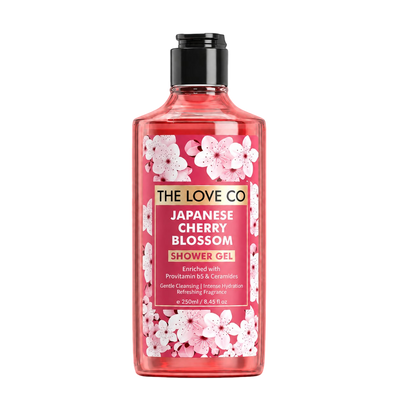
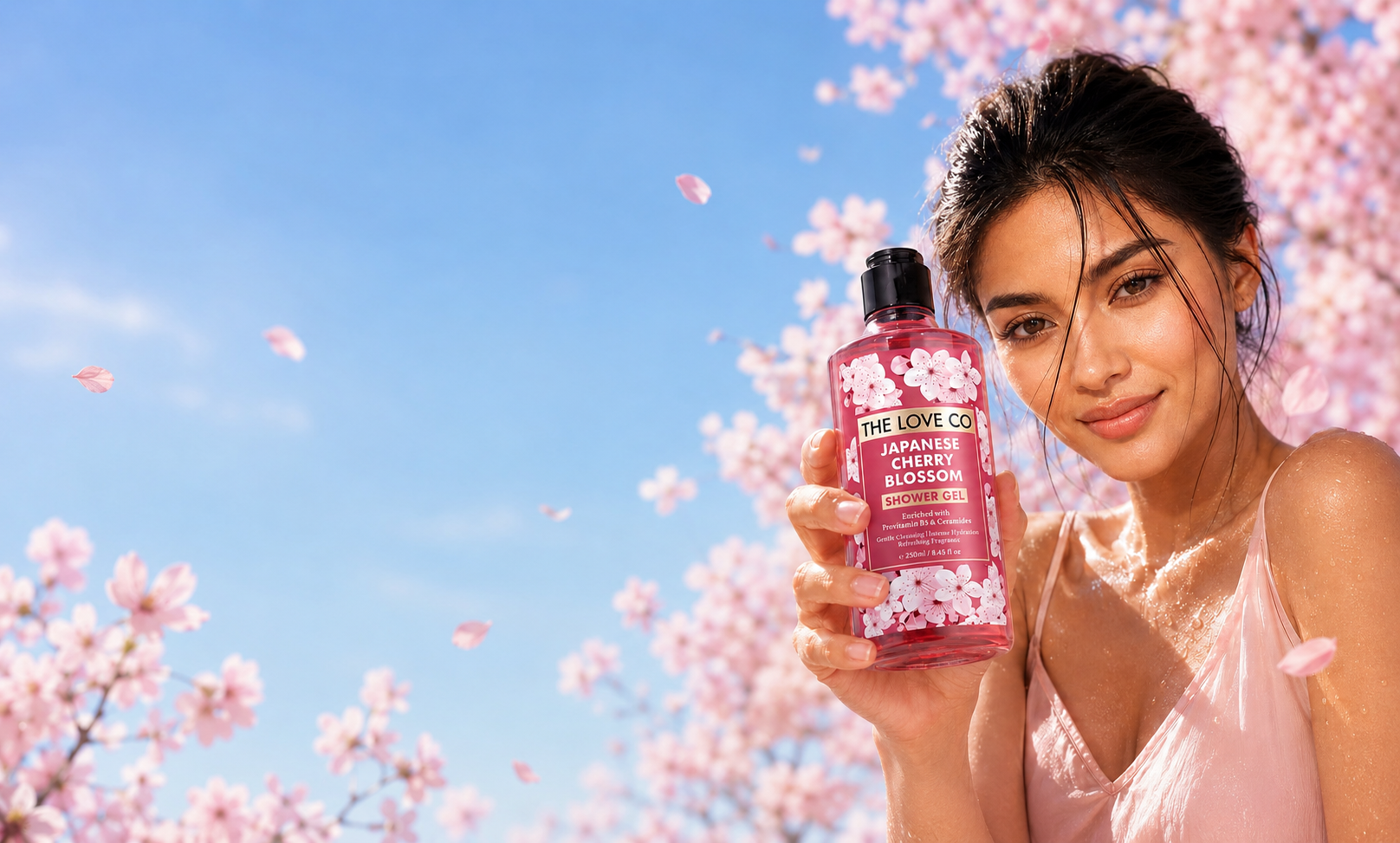
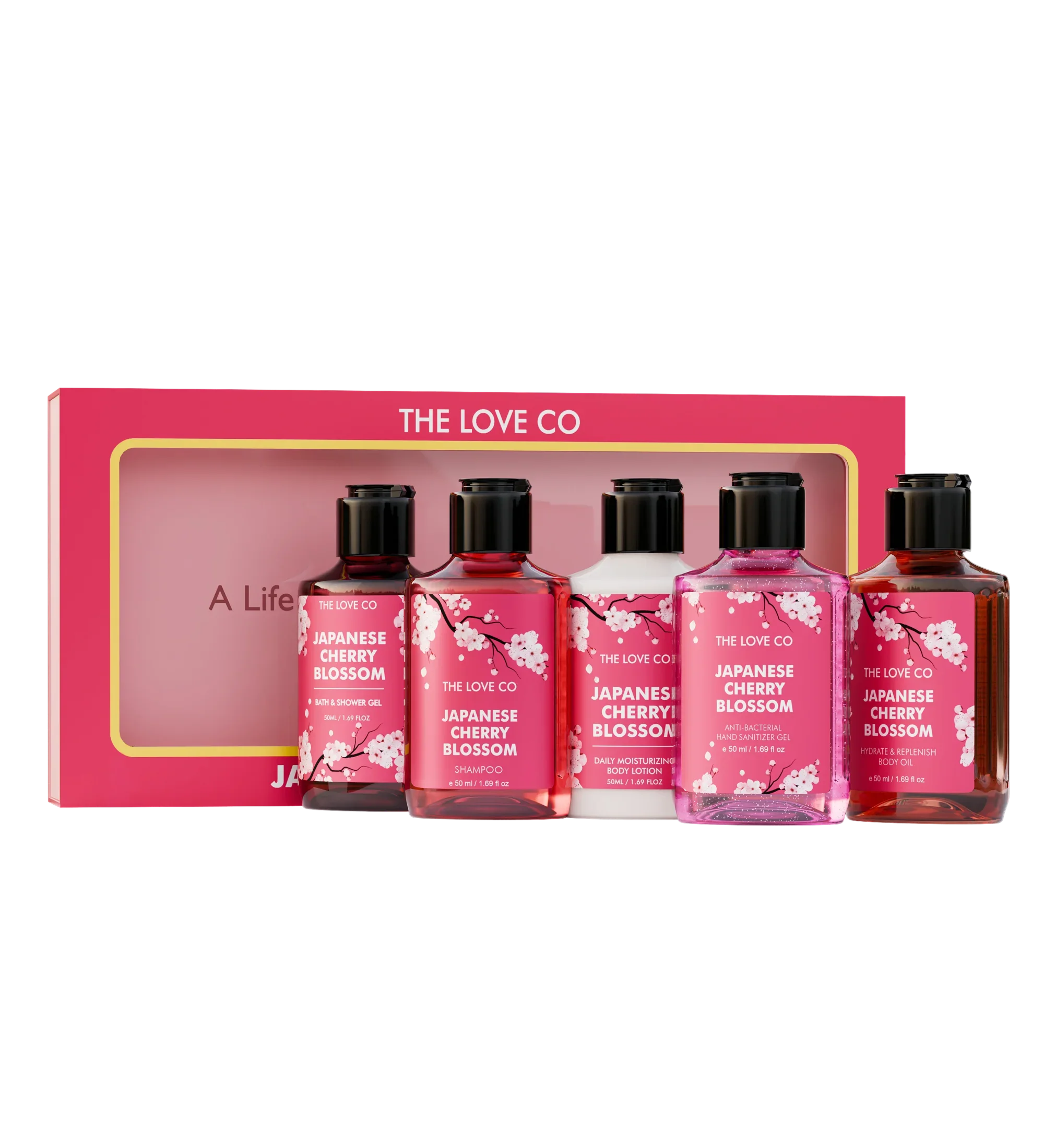
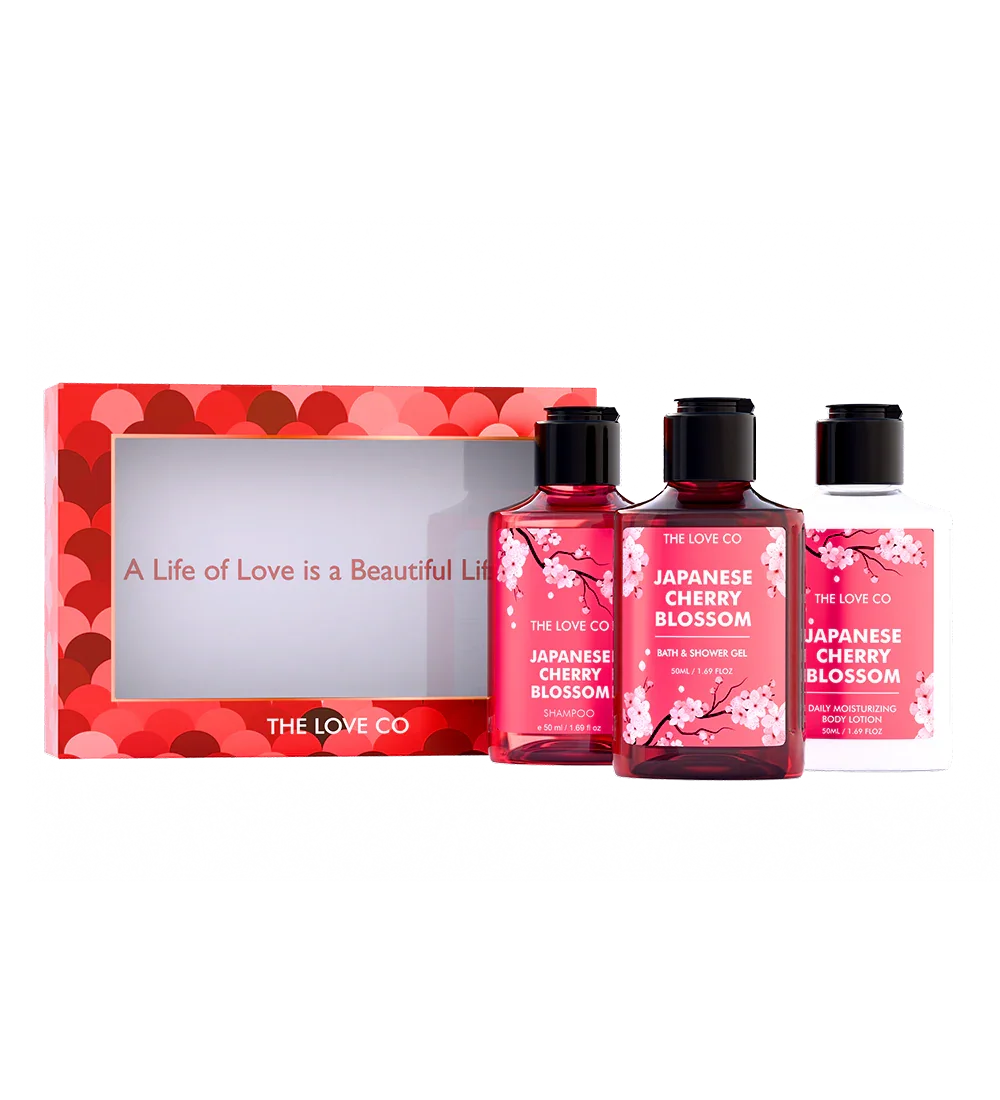
Japanese Cherry Blossom Body Wash
Scent Trail Step 1 · soft floral body wash Start the Scent Trail here. A pH 5.5, SLS-free cleanser that protects your skin barrier while it washes —...
A ritual is the smallest love you give yourself, daily.
— Hemang Jain · 20 May 2026