








European summer smells of sunscreen and blooming flowers. Indian summer smells of heated earth, dust, mango, neem, and the particular chemistry of very hot air with very low humidity.
It is among the most widely shared seasonal scent memories in Indian life.
The Indian Summer Olfactory Map
Heated earth and dust: Before the monsoon, the Indian earth is dry and hot. Heated to 40°C+ surface temperature, it releases a dry, mineral, slightly metallic smell. The suspended dust of Indian summer carries this smell throughout the air.
Mango: The aam season (April-June) fills markets, kitchens, and streets with the green-sweet-tropical smell of ripe mango. Cut mango, mango pickle fermenting in jars, aam panna in the kitchen — the smell of summer afternoon.
Neem: Neem trees release particularly strong fragrance in the heat. The slightly bitter, green, medicinal smell of neem in hot weather is one of India's most specific environmental smells, present in every tree-lined street.
The AC transition: Moving from 43°C outside into a cool interior produces a specific smell: damp, metallic cooled air, combined with the relief of temperature drop. This smell encodes with the emotion of relief.
Matka water: The particular smell of water stored in an unglazed clay pot — slightly earthy, slightly cool, minerally distinct. In houses without refrigerators, or as a summer preference, matka water has a taste and smell inseparable from Indian summer.
Talcum powder and heat: The combination of body talcum on hot skin with the sweat that immediately follows. This compound smell is on every crowded bus, every outdoor summer wedding.
Why Indian Summer Encodes So Specifically
Indian summer is an extreme event: weeks of 40-45°C heat that the body must adapt to. The extreme conditions create strong encoding.
High heat also affects fragrance chemistry — skin is warm, sweating, highly active. Fragrance volatilises faster and melds more quickly with skin chemistry. Summer is when fragrance becomes most intimate and most personal.
Summer and Indian Fragrance Design
Traditional Indian fragrance culture developed specifically for this climate. Vetiver root — Tamil Nadu khus — has been used in summer cooling since ancient times: vetiver screens on windows, vetiver-based sharbats, vetiver fragrance worn as cooling therapy.
The Ayurvedic guidance for summer favours cooling, water-associated fragrances: vetiver, sandalwood, rose. The body care routine for Indian skin in summer prioritises these compounds for their dual function — fragrance that also cools the nervous system.
This is why the Indian fragrance vocabulary is not the European vocabulary. The climate required something different. And it got it.
The Love Co is India's first fragrance-led body care brand — built for Indian summers and Indian skin.
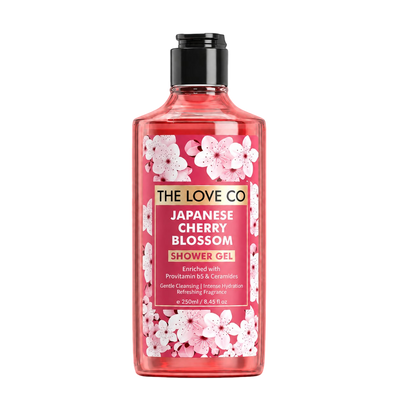
Japanese Cherry Blossom Body Wash
Scent Trail Step 1 · soft floral body wash Start the Scent Trail here. A pH 5.5, SLS-free cleanser that protects your skin barrier while it washes —...
A ritual is the smallest love you give yourself, daily.
— Hemang Jain · 20 May 2026