A single inhale of your grandmother's kitchen. The fragrance of rain on dry earth. Your first perfume at sixteen.
These don't just remind you of the past. They return you to it — fully, physically, emotionally — in a way that a photograph or a song never quite manages.
The reason is anatomy.
The Shortest Route to Memory
Every sense except smell travels through the thalamus first — the brain's central relay station — before reaching memory and emotion centres. Smell bypasses this entirely.
Olfactory signals travel directly from the nose to the olfactory bulb, which has immediate, direct connections to two structures:
- The amygdala — which processes emotion
- The hippocampus — which forms and retrieves memories
No other sense has this direct line. Vision, hearing, touch, taste — all routed through the thalamus first, processed before they reach emotion. Smell arrives at emotion raw, unfiltered, instantaneous.
This is why a scent doesn't just remind you of something. It makes you feel it again.
Why Scent Memories Are Older and More Emotional
Research by Rachel Herz at Brown University found that smell-triggered memories are consistently:
- More emotional than memories triggered by other senses
- Older — typically from early childhood, often before age ten
- More vivid — described as "being there" rather than "remembering being there"
This makes evolutionary sense. Smell was the first sense to evolve. Long before humans had language, smell was how the brain distinguished safe from dangerous, food from poison, familiar from threatening. The memory systems built around smell are ancient and deep.
The Specific Anatomy of Fragrance Memory
When you smell something:
- Odour molecules enter the nose and bind to olfactory receptors
- Signals travel instantly to the olfactory bulb
- The olfactory bulb sends direct signals to the amygdala (emotion) and hippocampus (memory)
- Memory retrieval begins — context, people, feeling — before conscious recognition
This entire sequence happens before you can name what you're smelling. The emotion and the memory arrive before the thought "that's jasmine" or "that's sandalwood."
Which is why fragrance-triggered memories always feel felt, not just recalled.
The Childhood Fragrance Window
Smell memories show a distinct bias toward ages 6–10. Neuropsychologists believe this is because the olfactory system is still developing in early childhood, forming strong associative links during a period when emotional experiences are particularly intense and new.
The scents you encounter repeatedly in childhood — incense at temple, petrichor in the monsoon, your mother's kitchen, agarbatti on Diwali — are wired into your brain's emotional memory with unusual permanence.
They don't fade the way visual memories fade. They stay precise, emotionally loaded, instantly accessible.
Why This Matters for How You Wear Fragrance
If smell is the fastest route to memory, then fragrance is how you write yourself into other people's memories.
The person who always smells of the same thing — sandalwood, rose, vetiver — becomes that smell in the minds of everyone around them. Not just recognised. Felt.
This is why fragrance-led body care creates a different kind of impression than a spray of perfume. A consistent scent layered across shower, oil, and lotion is absorbed into skin and lingers for hours — long enough to become the smell your colleagues associate with you walking into a room.
Long enough to become a memory.
The ingredients matter too. Natural fragrance ingredients like Kannauj rose, Mysore sandalwood, and Tamil Nadu vetiver are base-note heavy — they evolve slowly on skin rather than spiking and fading. The slow release creates longer exposure, which creates stronger memory encoding.
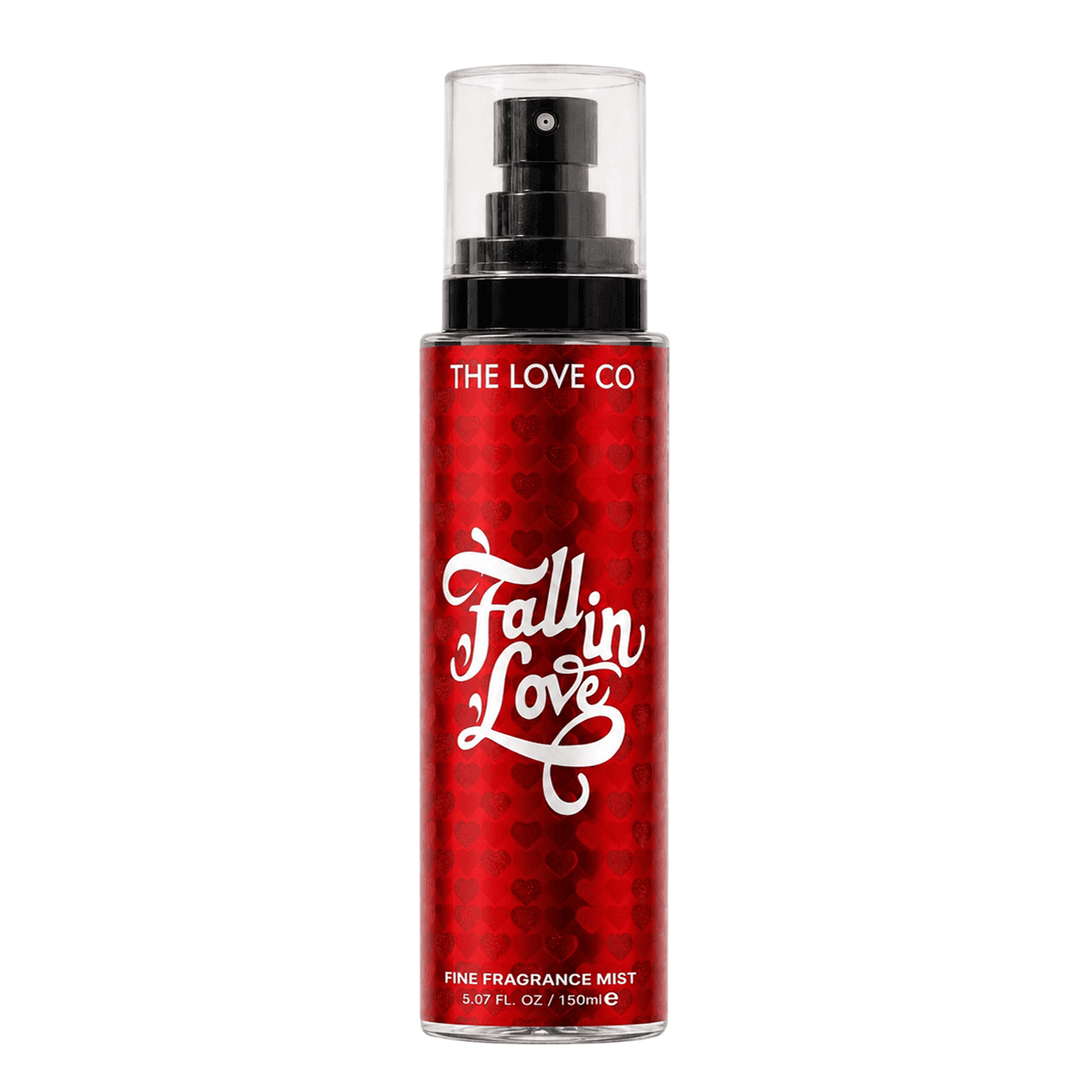
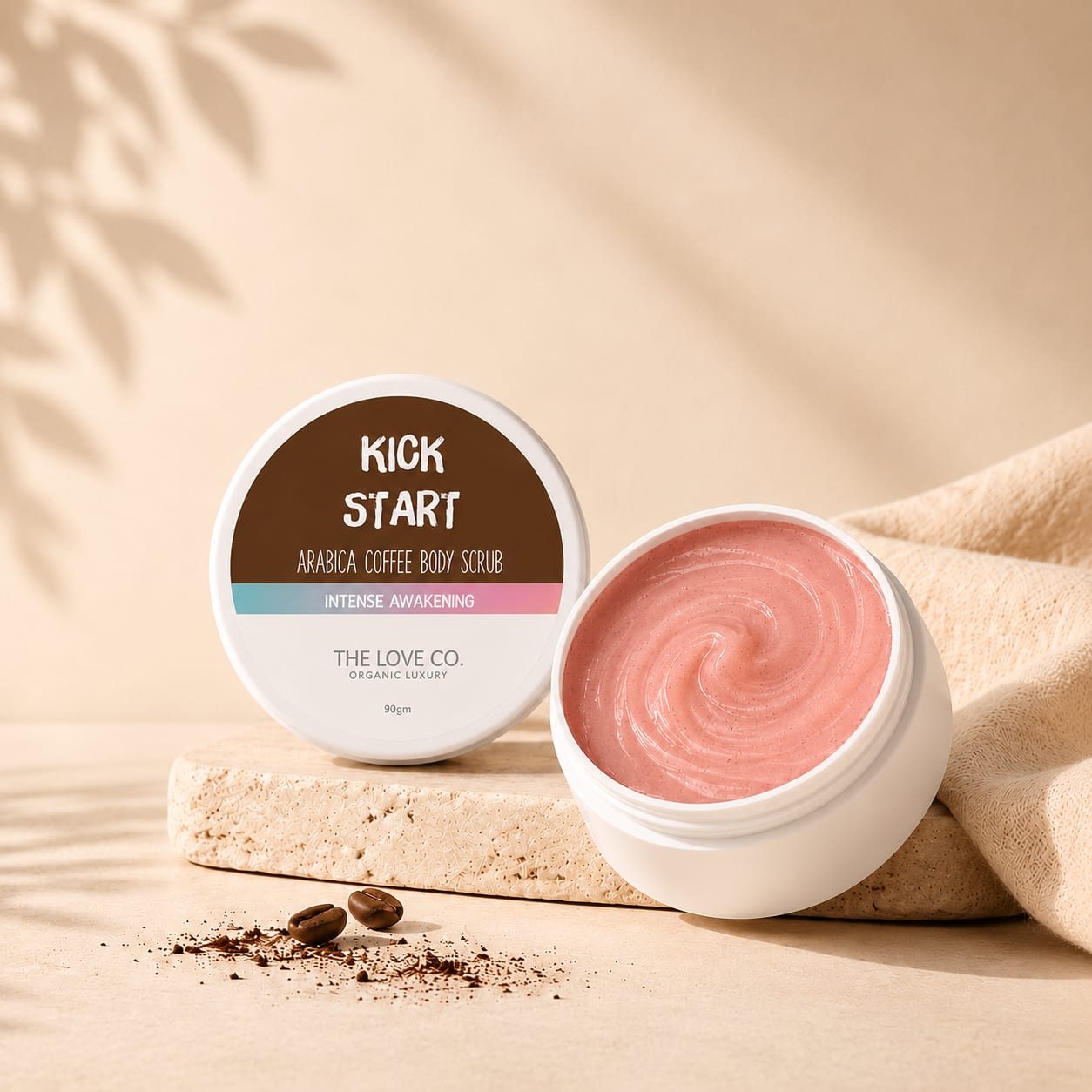
The Love Co is India's first fragrance-led body care brand, built on Kannauj rose, Mysore sandalwood, and Tamil Nadu vetiver — the ingredients that stay long enough to become memory.
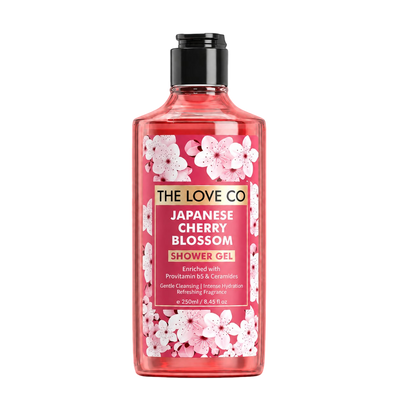
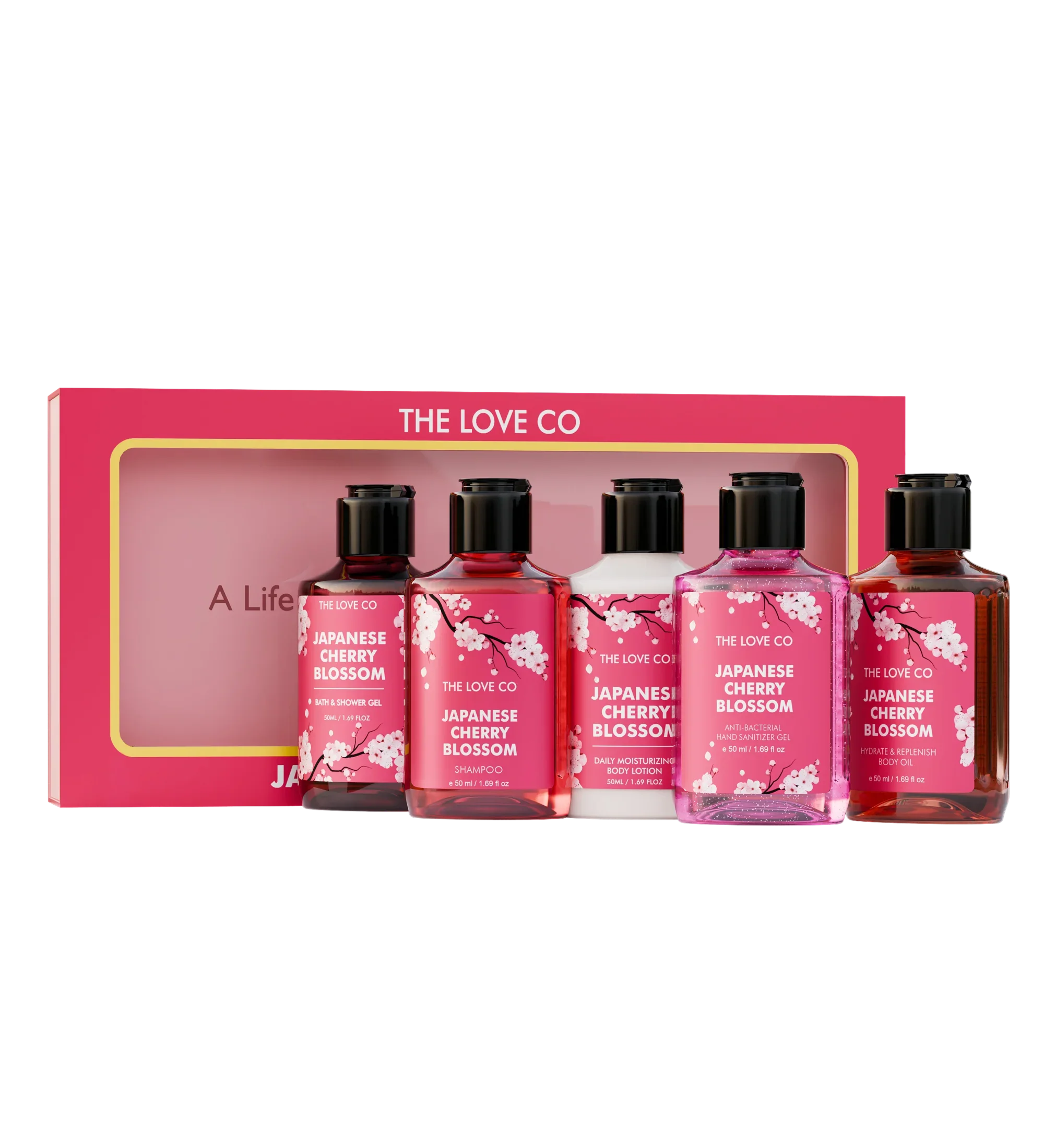
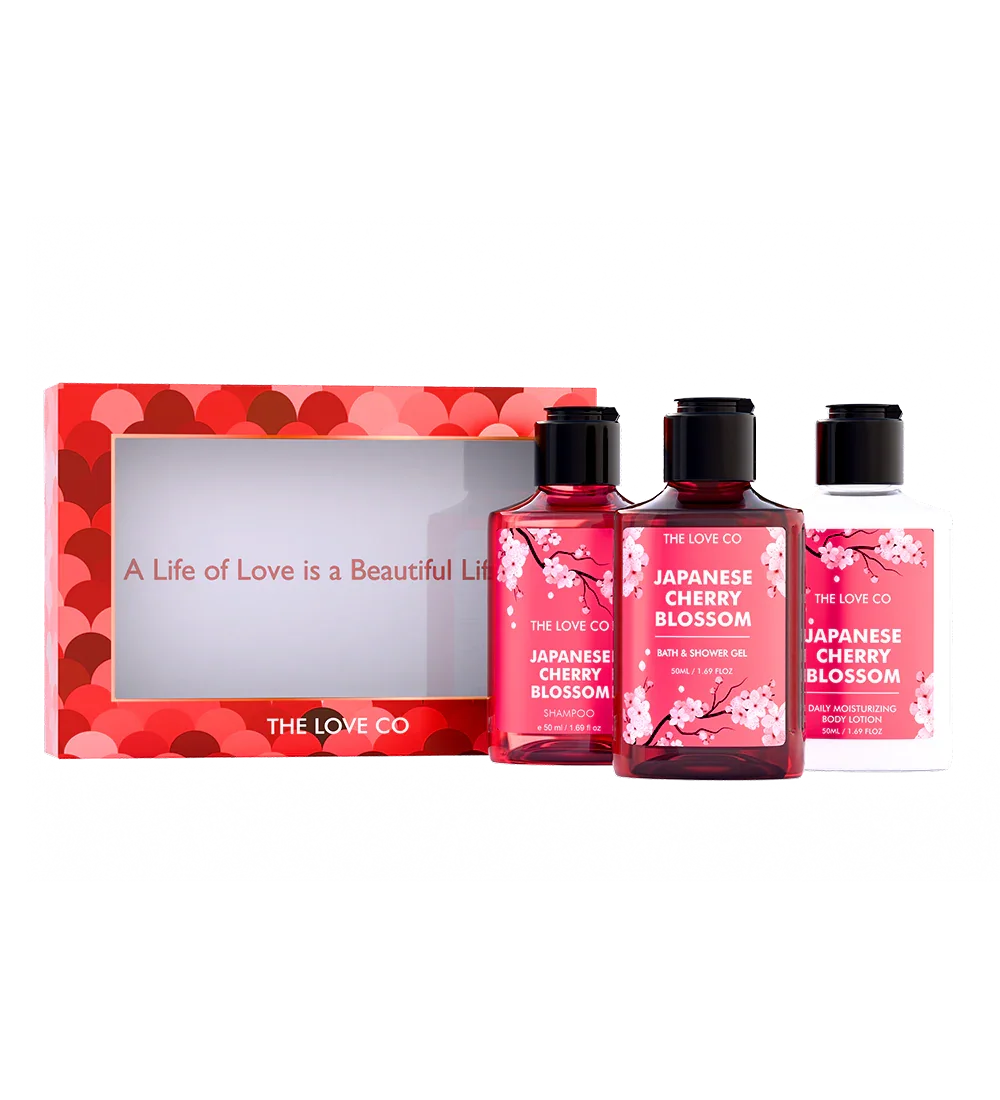
Japanese Cherry Blossom Body Wash
Scent Trail Step 1 · soft floral body wash Start the Scent Trail here. A pH 5.5, SLS-free cleanser that protects your skin barrier while it washes —...
A ritual is the smallest love you give yourself, daily.
— Hemang Jain · 20 May 2026