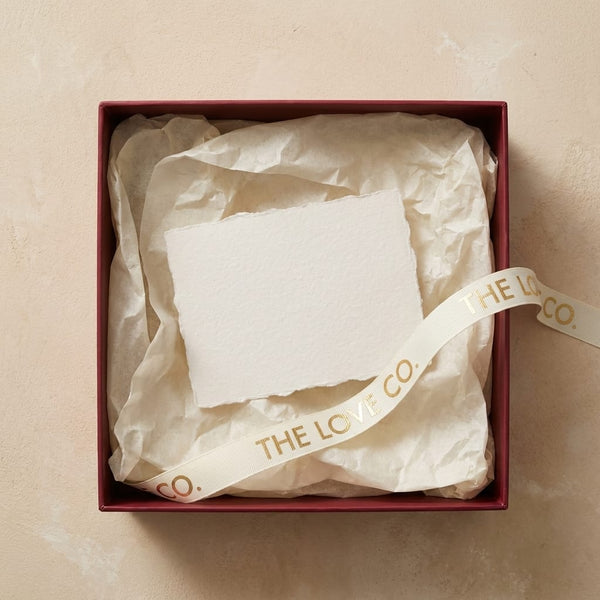


















A welcome kit is not a gift. It is the first physical evidence a new employee has that the decision they made was correct.
They have already resigned somewhere else. They have already told their family. They have already had the small private moment of doubt on the Sunday night before day one. The box that lands on their desk — or at their door, three days before they start — is answering a question they have not said out loud.
Most welcome kits answer a different question, which is "how many things can we put our logo on".
What a welcome kit costs in India
| Tier | Per kit | Typical contents | Best for |
|---|---|---|---|
| Essential | ₹800–₹1,200 | Notebook, quality pen, one consumable, printed welcome note | High-volume hiring, BPO, retail, field teams |
| Standard | ₹1,200–₹2,000 | The above plus a body care or fragrance set, a good tote or sleeve | Most corporate and tech hiring |
| Considered | ₹2,000–₹3,500 | Standard plus a hardware item (mouse, stand, bottle) and personalised packaging | Senior hires, design-led companies, low-volume high-value roles |
Above ₹3,500 you are no longer building a welcome kit, you are building a recruiting asset. That is a valid choice, but budget it from a different line.
The three-item rule
A welcome kit needs exactly three categories. Everything beyond them dilutes.
1. One thing used daily
The item that puts your company in the joiner's routine. A genuinely good pen. A bottle they will actually carry. A body care set they will finish over a month of mornings.
The test is simple: would they have bought this for themselves? If the honest answer is no, it will end up in a drawer, and every drawer item costs you the same money as a used item while producing none of the feeling.
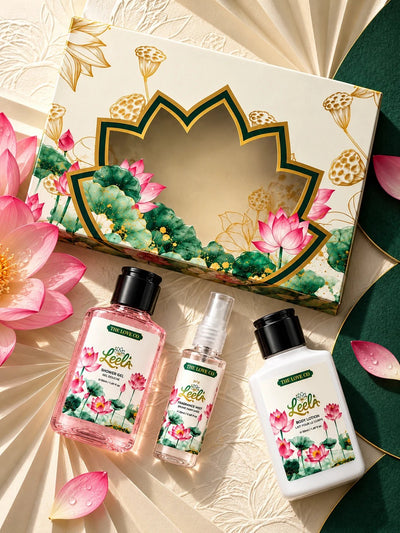
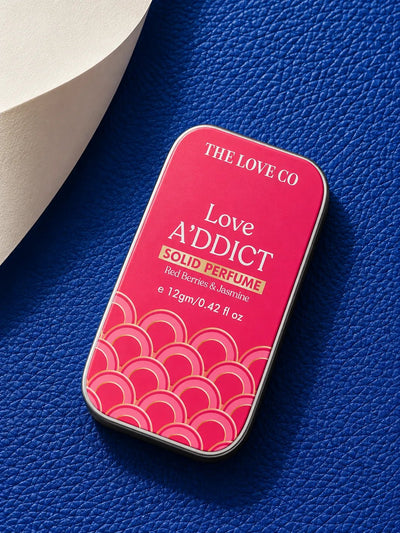
Consumables outperform objects here for a structural reason — an object requires the recipient to make a decision about ownership, while a consumable simply gets used. A fragrance set or body care duo runs out in four to six weeks of daily use, which is almost exactly the length of the onboarding period you are trying to influence.
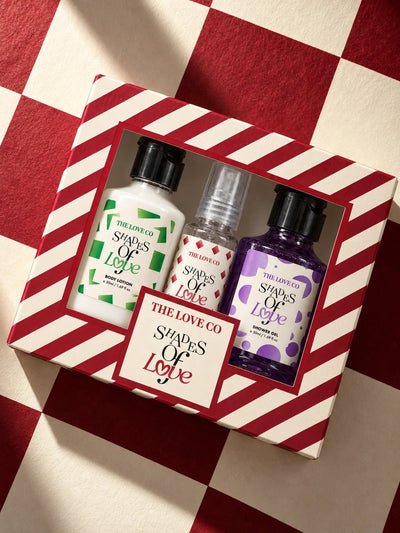
Suitable at this budget: a mini gift set at ₹279–₹419, or a duo at ₹629–₹699.
2. One thing that signals care, not branding
This is the item with no logo on it.
Counter-intuitive, and it is the item people remember. A welcome kit where every single object is branded reads as inventory. One unbranded, obviously-chosen item reads as a person having made a decision.
Body care, a good tea, a book that means something to the founder — the category matters less than the absence of the logo. Restraint is the signal.
3. One piece of printed communication
Not a brochure. A card.
The most effective version is short, specific to the person, and signed by their actual manager rather than by "Team HR". Under sixty words. It costs perhaps ₹20 and it is the only item in the box with a chance of being kept for years.
If you do one thing to improve your welcome kit, make the note personal. If you do two, make it handwritten.
What to skip
Six branded objects. A branded mug, branded diary, branded T-shirt, branded lanyard, branded mousepad and branded keychain in one box does not read as generous. It reads as a merchandise clear-out. Three items chosen well beat six items chosen by budget.
The T-shirt in one size. You do not know their size. If you insist on apparel, collect the size in the pre-onboarding form — and then actually check it against the box before dispatch.
Anything perishable, for remote dispatch. Chocolates and sweets do not survive an Indian summer in a courier network. This category is fine for office handover and a genuine risk for home delivery.
The company handbook, printed. It will not be read on paper. Put a QR code on the card.
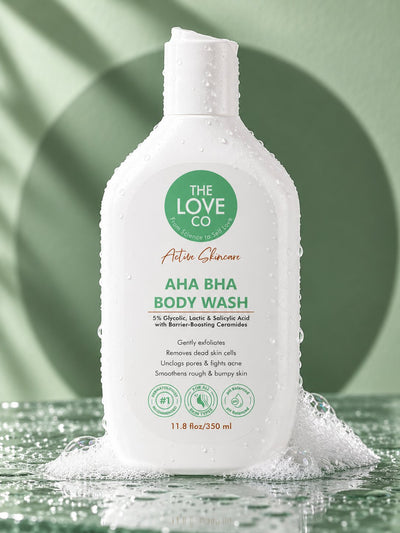
Products with heavy branding on them. Same principle as client gifting: brand the box, not the contents. A body wash with a corporate logo on the bottle does not make it into a bathroom.
Logistics: the part that actually goes wrong
Dispatch before day one, not on day one. Aim for the kit to arrive two to four days before the start date. A kit that arrives in week three has missed the emotional window entirely — the joiner has already formed their impression.
Collect the address in the offer-acceptance flow. Not on day one. Every day you wait, you lose a day of the lead time you need.
Budget ₹80–₹150 for individual home dispatch. Weight matters more than distance in Indian courier pricing, which is another argument against the hardware-heavy kit.
Keep a buffer stock of 10–15%. Joiners get added late, addresses change, one box gets crushed. A kit that is "still being arranged" in week two is worse than a smaller kit that arrived on time.
Standardise the SKU, personalise the card. The scale solution: one kit composition, ordered in volume, with a per-person card printed or written at dispatch. You get the unit economics of bulk and the feeling of individual choice.
Welcome kits at volume: the 200-hires-a-month problem
Everything above assumes a manageable hiring rate. At scale the constraints invert — personalisation becomes the bottleneck rather than the budget.
Standardise ruthlessly, personalise at one point. One kit composition. One SKU. The only variable is the card. This is the only model that survives high-volume hiring, and it produces a better experience than three tiers assembled inconsistently.
Hold stock, do not order per joiner. Ordering kits against individual start dates guarantees late delivery. Hold four to six weeks of expected volume and replenish on a schedule.
Automate the address capture. Into the offer-acceptance flow, not a separate email. Every manual step in the chain is a source of delay at scale.
Assign one owner. Welcome kits fail when they belong to HR, admin and the hiring manager simultaneously. One name, one calendar reminder, one stock count.
Accept a 5% failure rate and plan the recovery. Wrong address, damaged box, joiner deferred. What matters is having a same-week replacement path rather than pretending it will not happen.
Does the kit actually change anything?
Worth being honest: a welcome kit does not drive retention. Manager quality, role clarity and the first project drive retention. Anyone selling you a kit on a retention claim is overselling.
What a kit demonstrably does is give the joiner an artefact — a physical, photographable object that converts a private decision into a public one. It gets posted. It gets shown to a partner. It gets described to the friend who asked whether the move was a good idea.
That has two measurable second-order effects: it strengthens the joiner's own commitment to a decision they have now defended out loud, and it is the cheapest employer-brand distribution available to you. A joiner posting their kit reaches more relevant candidates than most recruitment advertising, and costs ₹1,500.
Judge the kit on those terms and the spend is easy to justify. Judge it on retention and you will be disappointed.
Frequently asked questions
How much should a welcome kit cost per employee in India? ₹800–₹2,500 covers the large majority. ₹1,200–₹2,000 is the most common band for corporate and technology hiring; high-volume operations typically sit at ₹800–₹1,200.
What should be included in a new employee welcome kit? One item used daily, one unbranded item that signals care, and one personal printed note. Optionally a notebook and a bag. Three to five items total — beyond that, each addition reduces the perceived value of the rest.
When should a welcome kit be delivered? Two to four days before the start date, dispatched to the home address collected during offer acceptance. Kits arriving after the first week have largely missed their purpose.
Should welcome kit items be branded? Brand the packaging and the note. Leave at least one item completely unbranded. Fully branded kits read as merchandise rather than as a gesture.
Are welcome kits taxable as a perquisite in India? Gifts from an employer are taxable as a perquisite where the aggregate value exceeds ₹5,000 in a financial year under Rule 3(7)(iv). Most welcome kits sit below this threshold individually but can cross it when combined with festival gifting. Confirm with your finance team.
What is a good welcome kit for remote employees? Lighter and non-perishable. Body care, a quality notebook, a bottle and the note travel well. Avoid anything that melts, anything fragile, and anything that meaningfully increases shipping weight.
The short version
Three items. One of them unbranded. A note signed by their manager, not by HR. Delivered before day one.
For welcome kit sets and per-kit costing, talk to The Love Co.'s corporate team, or browse corporate sets and minis and travel sizes.
She opens it on the Saturday before she starts, at the dining table, with her mother watching. She reads the card, and her manager has spelled her name the way she spells it — the short way, the way she wrote it in the email signature and nobody at her last company ever used.
She reads it twice. Then she puts it back in the box, and keeps the box.

Japanese Cherry Blossom Trio Gift Set
The full Sakura trio.Three full-size Japanese Cherry Blossom essentials — the complete three-step Sakura ritual in one gift box.The ritualWash → lotion on damp skin → mist on...
A ritual is the smallest love you give yourself, daily.
— Hemang Jain · 26 Aug 2026