






Nobody plans return gifts once.
They plan them for the wedding, and then remember the mehendi. Then the sangeet. Then someone points out that the haldi had ninety people and half of them are coming to all four. What began as a ₹400 decision has quietly become a ₹4-lakh line item.
The maths below is the conversation to have before the shortlisting starts.
Cost per guest, by band
| Band | Per guest | Typical use | Example | Price |
|---|---|---|---|---|
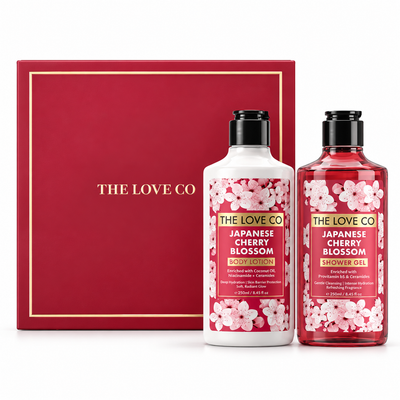
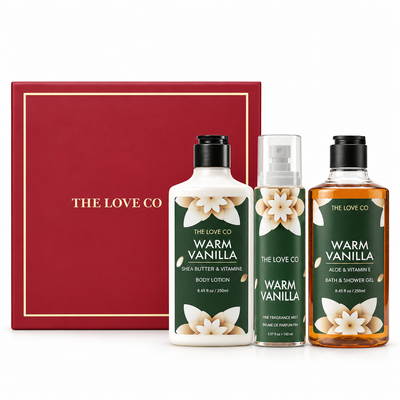
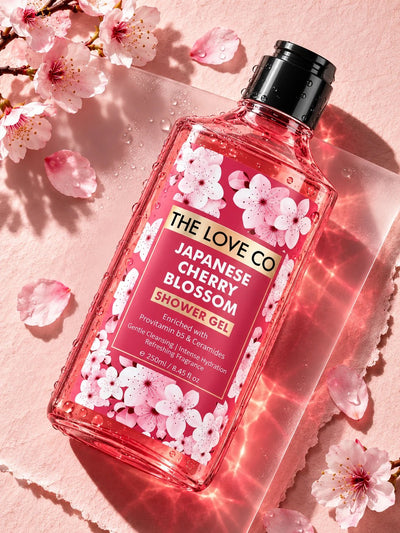
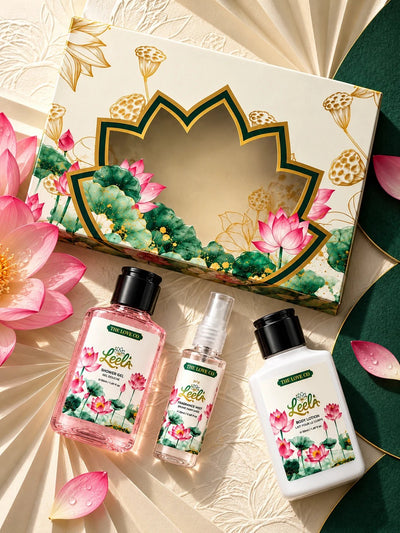
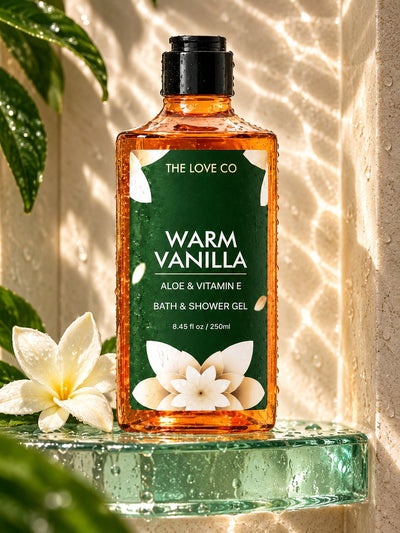
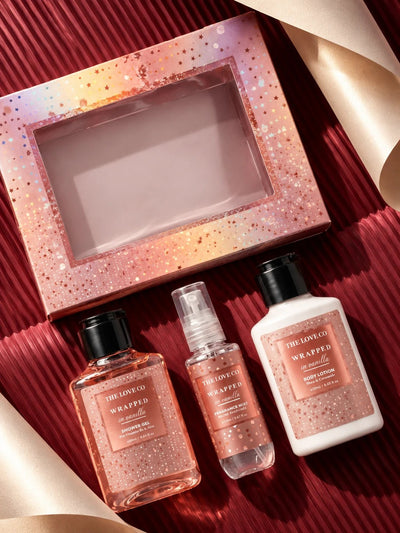
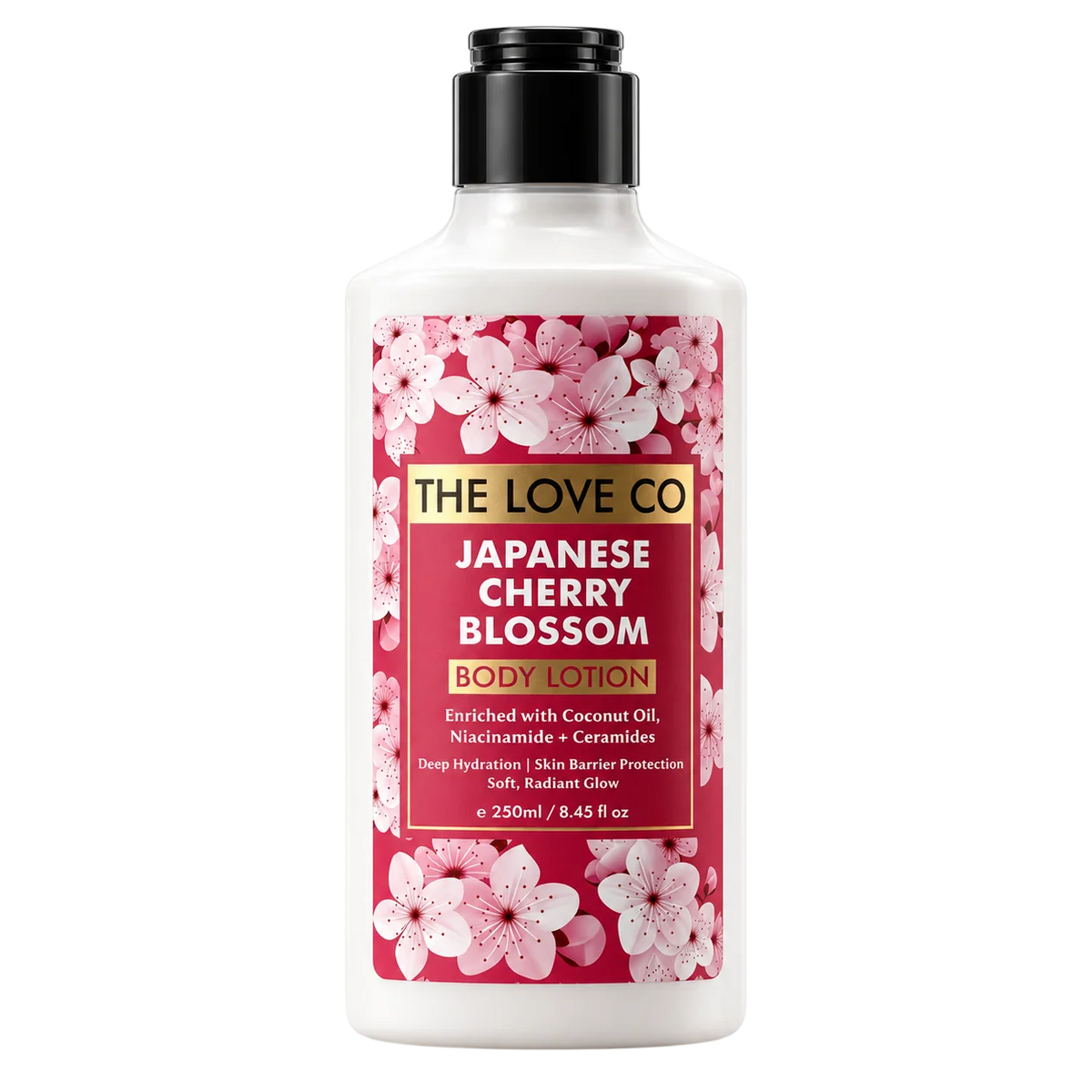
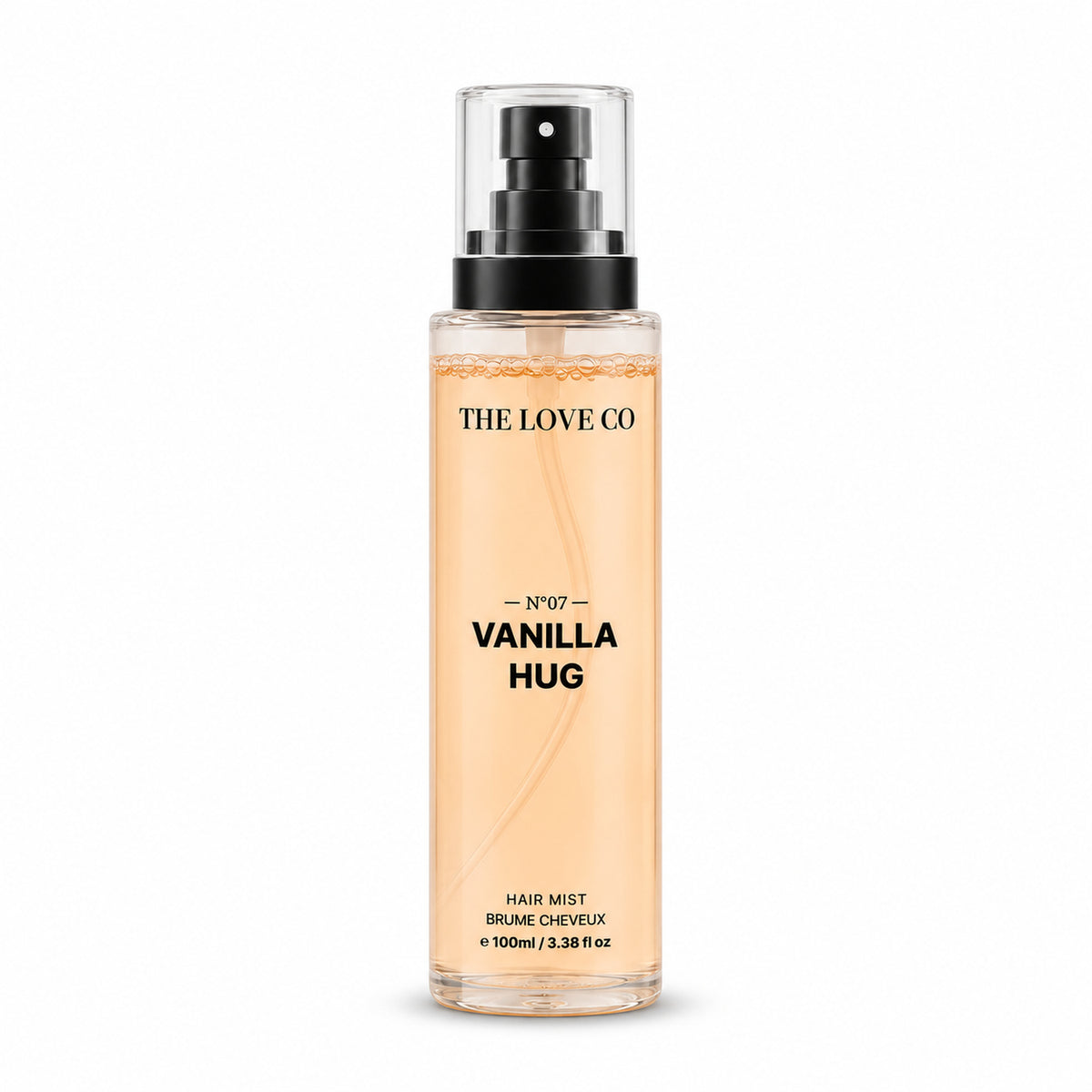
| Token | ₹150–₹280 | Mehendi, haldi, high-count functions | Japanese Cherry Blossom Mini Gift Set · Warm Vanilla Mini Gift Set | ₹279 |
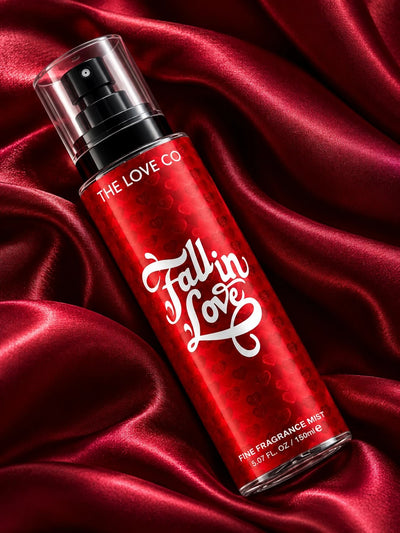
| Standard | ₹280–₹450 | Sangeet, reception, the default return gift | Calm & Soothe Mini Gift Set · Fall In Love Mini Gift Box | ₹349 · ₹419 |
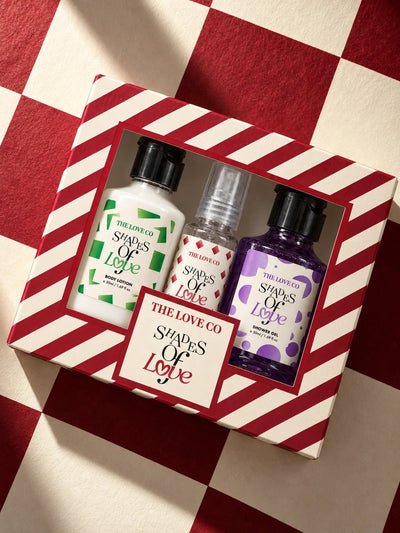
| Considered | ₹450–₹750 | Main wedding function, close family and friends | Japanese Cherry Blossom Travel Kit · Shades of Love Doublet | ₹489 · ₹629 |
| Premium | ₹750–₹1,500 | Immediate family, out-of-town guests, bridal party | Fall In Love Travel Case · Shades of Love Experience Set | ₹699 · ₹920 |
Live prices from The Love Co. Add packaging and, where applicable, GST.
What it actually costs at your guest count
Standard band (₹349 per gift), with light packaging at ₹40 and a printed name tag at ₹12:
| Guests | Gifts | Packaging + tags | Total | Per guest |
|---|---|---|---|---|
| 100 | ₹34,900 | ₹5,200 | ₹40,100 | ₹401 |
| 300 | ₹1,04,700 | ₹15,600 | ₹1,20,300 | ₹401 |
| 500 | ₹1,74,500 | ₹26,000 | ₹2,00,500 | ₹401 |
| 800 | ₹2,79,200 | ₹41,600 | ₹3,20,800 | ₹401 |
Note what does not happen: the per-guest cost does not fall with volume the way people expect. Return gifts are bought at or near a fixed unit price. Volume gets you a better discount, not a different economic model. Plan on the per-guest number holding roughly flat and let any discount be upside.
The multi-function problem, solved
The trap is treating each function as its own gifting decision. The fix is to allocate a total return-gift budget and split it by function, then let guest overlap work in your favour.
A worked example. 300 guests at the wedding, 150 at the sangeet, 90 at the mehendi, with heavy overlap:
- Mehendi (90): token band, ₹279 → ₹25,110
- Sangeet (150): token band, ₹279 → ₹41,850
- Wedding (300): standard band, ₹349 → ₹1,04,700
- Close family and out-of-town (40, in addition): premium band, ₹699 → ₹27,960
Total: ₹1,99,620 across roughly 580 gift-moments and about 340 unique people. Blended, that is ₹587 per unique guest — which is a very different number from the ₹349 anyone would have quoted you.
Three ways to bring it down without it showing:
Skip return gifts at one function. Mehendi is the usual candidate — it is the most informal, the most family-heavy, and the least likely to be noticed. Nobody has ever counted return gifts across a mehendi.
Use one scent family across every function, at different sizes. A mini at the sangeet and a duo at the wedding, in the same fragrance, reads as a considered through-line rather than as two separate budget decisions. It is also cheaper to buy, because you are ordering depth in one SKU rather than breadth across four.
Tier by relationship, not by function. One gift for everyone, and a second, better gift for the forty people who travelled. Guests notice who travelled. They do not audit each other's gift bags.
Which categories actually get taken home
Wedding return gifts have a completion problem that nobody measures: a meaningful share never leave the venue, and a further share are left in the car.
Categories, honestly assessed:
Sweets and dry fruit. Universal, safe, and duplicated. A guest attending four weddings in a season goes home with four boxes of the same thing. Dietary restrictions apply. High acceptance, low memory.
Silver and brass items. Traditional and durable. Expensive per unit, heavy to transport, and prone to sitting in a cupboard. Strong for close family, weak for volume.
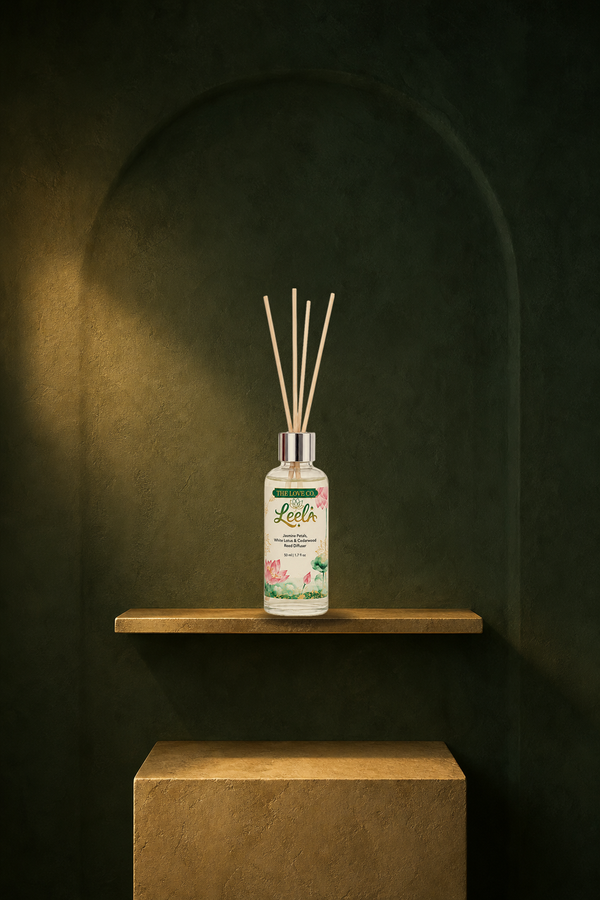
Candles and diffusers. Popular, decorative, and fragile in a crowded exit. Breakage rates at large functions are real.
Plants and saplings. Well-intentioned. Difficult to carry in wedding clothes, and the survival rate is not high.
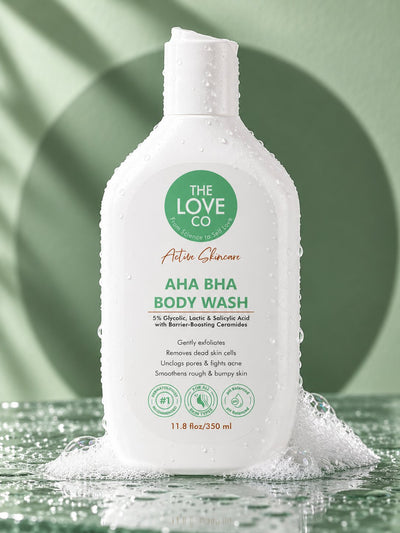
Body care and fragrance. Light, unbreakable, used rather than displayed, no dietary risk, and — critically — not duplicated. Very few guests receive two body care sets in a season. It is also one of the few categories a guest will finish, which means the association survives past the exit gate.
The practical test for any return gift: can a guest carry it in one hand, in wedding clothes, along with a plate? If not, it will be left behind.
Packaging, tags and the assembly day
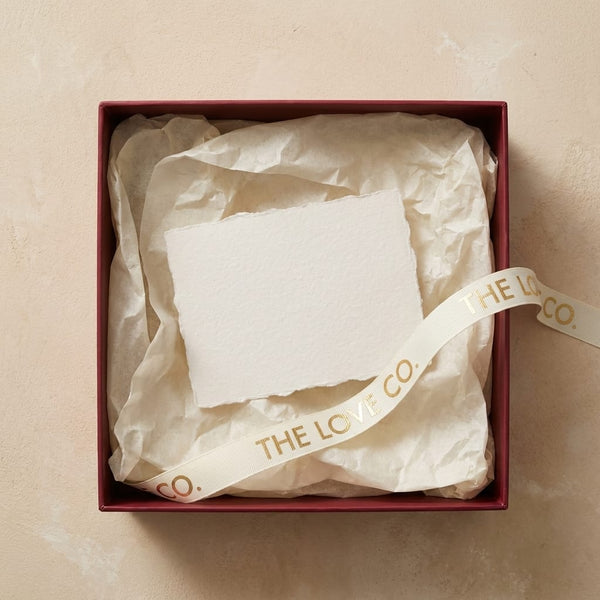
Do not over-package. A double-boxed return gift is heavier, costlier and less likely to be carried. One clean outer with a tag is enough.
Printed name tags are worth ₹12. For close family and out-of-town guests, a named tag transforms a distributed object into a chosen one. For the wider guest list, a printed tag with both names and the date is sufficient.
Assemble two days before, not on the day. Wedding-day assembly is how gifts end up at the wrong function.
Order 10% over your guest count. Plus-ones appear. Gifts get damaged. Someone's driver should get one. Running out at the door is the one failure guests genuinely remember.
Decide who hands them out, and where. A table at the exit under-performs. Gifts handed to guests as they leave, by a named family member, have a much higher take-home rate — and the handing-over is the moment the gift actually does its job.
MOQ and lead time for wedding orders
Wedding gifting sits between retail and corporate. Practical guidance:
- Under 100 units: buy stock sets at retail or light bulk. Custom packaging is not economic here.
- 100–300 units: printed tags and sleeves become worthwhile. Order 4–5 weeks out.
- 300+ units: you are in bulk territory — custom sleeves, better pricing, and 6–8 weeks of lead time. Wedding season (November–February) is a capacity peak, so add two weeks.
Confirm stock depth on a single SKU before committing. Buying 400 units of one gift set is a very different ask from buying 40.
Who pays, and how families split it
The awkward conversation nobody documents, and the one that causes most of the friction.
Practice varies enormously by region, community and family. The arrangements that actually work in practice tend to be one of three:
Each side handles their own functions. The family hosting a function covers its return gifts. Cleanest, most common, and the easiest to administer because nobody has to reconcile anything.
Split by guest, not by function. Each family covers gifts for their own invitees regardless of whose function it is. Fairer where guest counts are lopsided, and considerably more work to track.
Pooled budget with a single order. Both families contribute to one number and one order is placed. Cheapest — a single 500-unit order beats two 250-unit orders on price — and it requires the two families to agree on taste, which is the part that fails.
The practical recommendation: agree the model in writing, early, in the same conversation where the guest lists are agreed. Not later. Return gifts are a small line item that becomes a proxy for larger tensions if left undefined, and no amount of good gifting recovers from that.
The rest of the wedding gifting budget
Return gifts are one of five gifting lines in an Indian wedding, and treating them in isolation is how the total surprises people.
| Line | Typical range | Notes |
|---|---|---|
| Return gifts, all functions | ₹1.5L–₹4L | Guest count × functions; the largest volume line |
| Bridal party gifts | ₹800–₹2,500 each | 10–20 people; personalised is worth it here |
| Out-of-town welcome bags | ₹400–₹1,200 per room | Water, snacks, an itinerary card, one good item |
| Close family gifts | ₹2,000–₹10,000 | Highly family-specific |
| Vendor and staff gifting | ₹200–₹600 each | Consistently forgotten until the last week |
The welcome bag is the underrated one. Guests who travelled arrive tired, at an unfamiliar hotel, often late at night. A bag waiting in the room with water, something to eat and a card with the next day's timings does more for how the wedding is remembered than a return gift handed over at the exit three days later. It costs ₹400–₹1,200 and almost nobody does it well.
Frequently asked questions
How much should we spend on a wedding return gift in India? ₹250–₹450 per guest is the most common band for the main function. Token gifts for high-count functions sit at ₹150–₹280, and gifts for close family and out-of-town guests commonly run ₹700–₹1,500.
How many return gifts should we order? Ten percent above your confirmed guest count. Plus-ones, damage and last-minute additions consistently consume the buffer.
What is a good return gift that guests will actually use? Body care and fragrance perform well because they are light, unbreakable, dietary-risk-free and rarely duplicated across a wedding season. The practical test is whether a guest can carry it in one hand while holding a plate.
Should each function have a different return gift? Not necessarily. Using one fragrance family at different sizes across functions is cheaper to order and reads as more considered than four unrelated gifts.
How far in advance should wedding return gifts be ordered? Four to five weeks for orders under 300 units and six to eight weeks above that. Add two weeks during the November–February wedding season.
Is it acceptable to skip return gifts at some functions? Yes. Mehendi and haldi are commonly skipped without comment. Concentrating the budget on the main function is a better outcome than spreading it thin across four.
Start with two numbers
Related: what corporate gifting actually costs per employee — the same landed-cost logic applies once you cross 300 units.
Guest count per function, and total return-gift budget. Everything else follows.
Browse wedding gifting sets and mini gift sets, or request bulk pricing if your count is above 150.
Her aunt finds it three weeks later, still in the bag, at the bottom of the wardrobe where the wedding clothes went. She opens it because she has nothing else to do that afternoon, and she uses it that evening.
She calls the bride's mother to say the smell reminded her of the sangeet, of standing near the door, of that particular evening. The gift cost ₹349. It bought a phone call three weeks later.
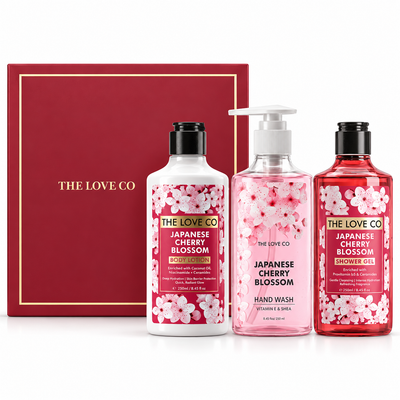
Japanese Cherry Blossom Trio Gift Set
The full Sakura trio.Three full-size Japanese Cherry Blossom essentials — the complete three-step Sakura ritual in one gift box.The ritualWash → lotion on damp skin → mist on...
A ritual is the smallest love you give yourself, daily.
— Hemang Jain · 26 Aug 2026