





Coconut Oil in Body Care: What It Actually Does (And What It Doesn’t)
Coconut oil has been many things in the last decade: a superfood, a hair mask, a face moisturiser, an eye makeup remover, and a cure-all that wellness culture applied to problems it had no business treating.
The backlash came. Now coconut oil is sometimes dismissed as pore-clogging, outdated, and overrated.
Neither the hype nor the dismissal is accurate. Coconut oil body care benefits in India are real — but specific. Knowing which side of the line you are on changes whether this ingredient is something you should seek out or actively avoid.
What Coconut Oil Actually Is
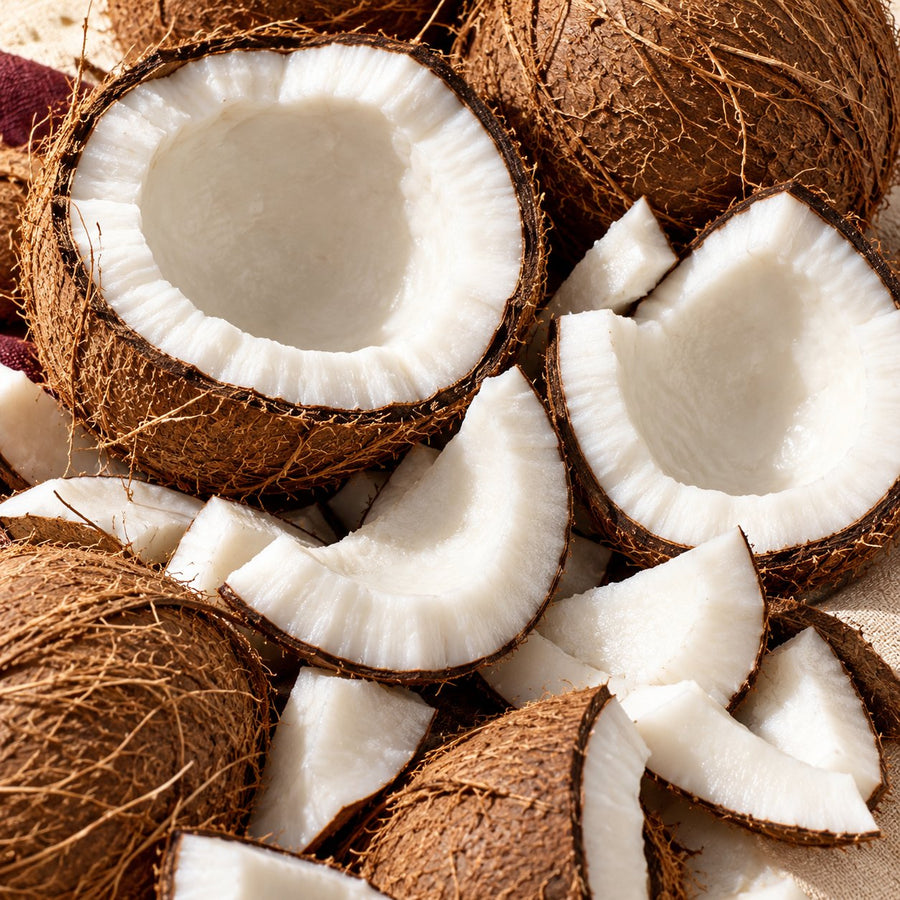
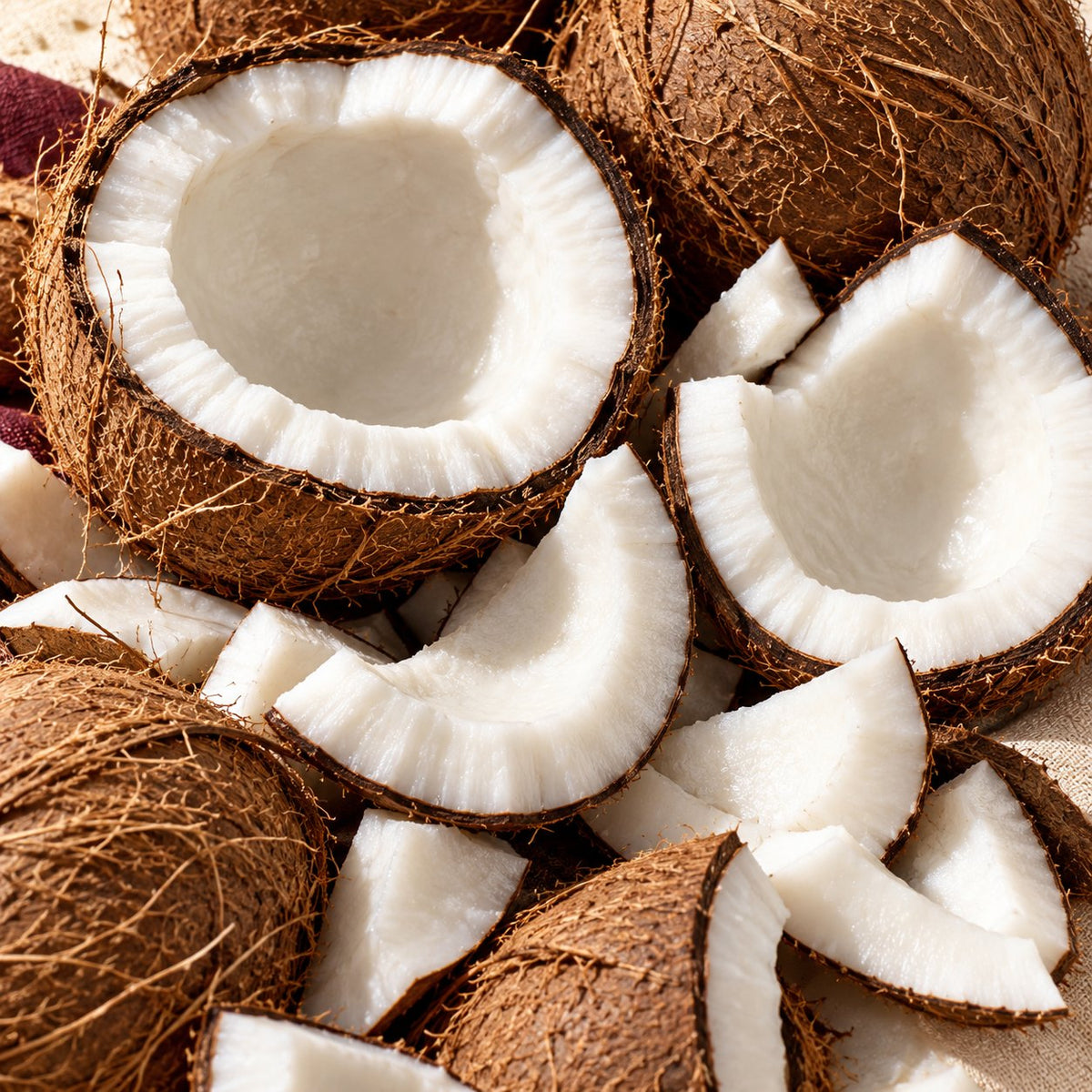
Virgin coconut oil (VCO): Cold-pressed from fresh coconut meat without heat or chemicals. Retains natural antioxidants, has a distinct coconut scent, and is the higher-quality option for skin use.
Refined coconut oil: Processed to remove scent and colour. Typically uses heat and sometimes chemical solvents. Lower in naturally occurring antioxidants. Often cheaper.
The fatty acid profile — roughly 50% lauric acid, with significant amounts of myristic acid, palmitic acid, and caprylic acid — makes it behave very differently from most other body care oils.
What Coconut Oil Actually Does for Skin
It Is an Occlusive Moisturiser
Coconut oil is primarily an occlusive ingredient. It works by forming a semi-permeable layer on the skin’s surface that slows down transepidermal water loss (TEWL). It does not hydrate skin by adding water. It helps skin that already has water retain it.
Applied to damp skin immediately after a shower — when the skin surface is water-rich — coconut oil seals that moisture in. Applied to dry skin hours after bathing, it sits on top of an already-dehydrated surface and does less.
Lauric Acid Has Antimicrobial Properties
Lauric acid, the dominant fatty acid in coconut oil, has documented antimicrobial activity. Studies have shown it inhibits Staphylococcus aureus and other common skin bacteria. This property is useful for skin that is prone to bacterial infections or dry cracked skin at risk of infection.
It Works Well on Very Dry Skin
For cracked heels, severely dry elbows, parched knees, and very dry body skin, coconut oil does the work. A study in the International Journal of Dermatology compared virgin coconut oil to mineral oil for treating xerosis (dry skin) and found it performed comparably in improving skin hydration and reducing TEWL scores.
What Coconut Oil Does Not Do — And When to Avoid It
It Is Comedogenic for Many Skin Types
Coconut oil has a comedogenicity rating of 4 out of 5. This means it is highly likely to block pores on skin types that are already prone to congestion — particularly back acne (bacne), chest breakouts, and shoulder congestion.
It Does Not Hydrate On Its Own
Because coconut oil is an occlusive, not a humectant, using it as a sole moisturiser on body skin means you are sealing in very little. You need water in the skin first.
Coconut Oil in Body Care: A Practical Guide for Indian Skin
Use it on: Very dry body skin (legs, elbows, knees, feet), cracked heels, dry hand and cuticle care
Use it cautiously on: Normal skin — effective, but watch for congestion on back and chest
Avoid it on: Acne-prone body skin (back, chest, shoulders), face skin for most Indian skin types
Pair it with: A glycerin-based lotion applied first, then coconut oil as a seal
The Trust-Building Truth About Coconut Oil
Coconut oil body care benefits in India are real, specific, and significant for the right skin and the right conditions. The problem was not the ingredient — it was the overclaim that positioned it as a universal solution for every skin type in every situation.
For a grandmother in Kerala with very dry skin who has applied nariyal tel after her bath for 60 years and has the skin to prove it — coconut oil is a legitimate hero. For a 22-year-old in Mumbai with combination skin and occasional back breakouts applying it head to toe, it is the wrong tool.
Knowing the difference is what intelligent body care looks like.
Part of The Love Co. Natural Ingredients series. Back to the complete guide →
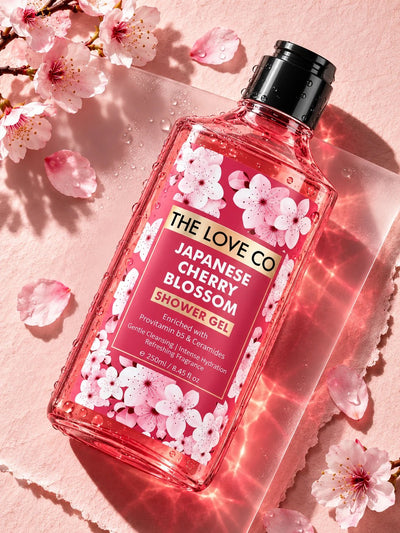
Japanese Cherry Blossom Shower Gel
Scent Trail Step 1 · soft floral body wash Start the Scent Trail here. A pH 5.5, SLS-free cleanser that protects your skin barrier while it washes. Follow...
A ritual is the smallest love you give yourself, daily.
— The Love Co · 08 May 2026