





Sandalwood in Body Care: Benefits, Science and What to Look For
Most sandalwood body care products do not contain sandalwood.
That sentence might feel like an exaggeration, but spend five minutes reading ingredient labels in a pharmacy and you will find it holds. The front of the pack says "sandalwood." The back says "parfum" or "fragrance" — which means a synthetic compound engineered to smell like sandalwood, not the wood itself.
This distinction matters. Not for reasons of purity or provenance, but because real sandalwood does things to skin that synthetic sandalwood fragrance simply cannot. Understanding sandalwood body care benefits in India starts with understanding what you are actually looking for.
What Sandalwood Actually Is
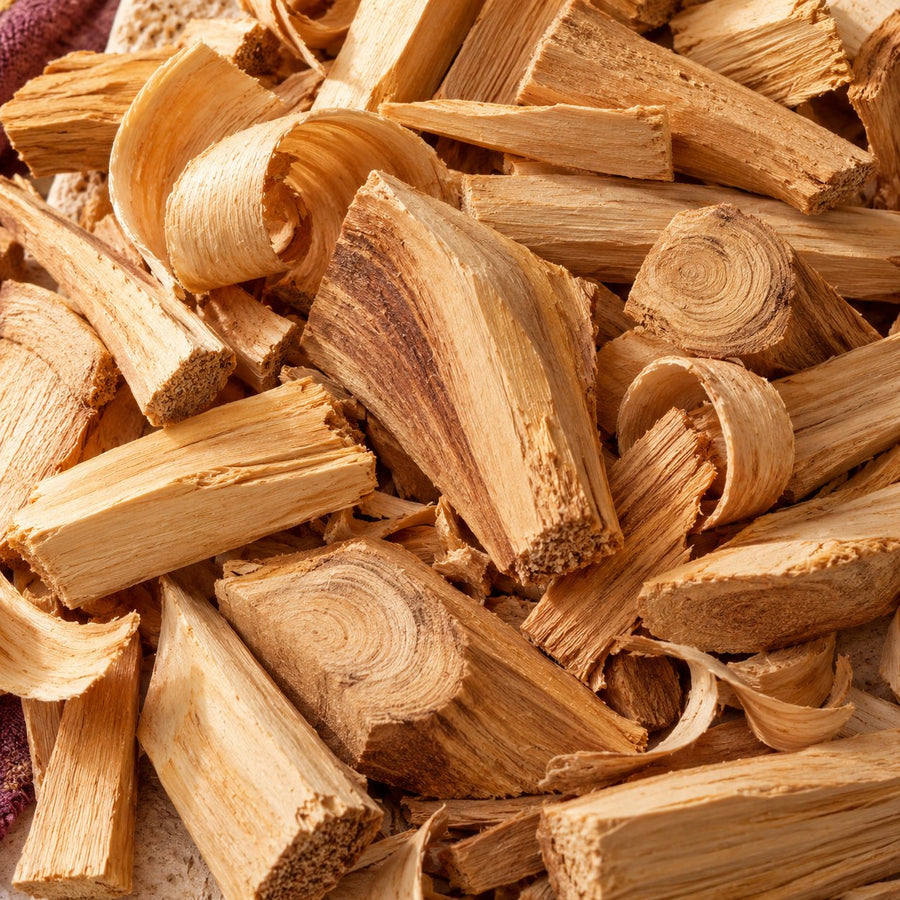
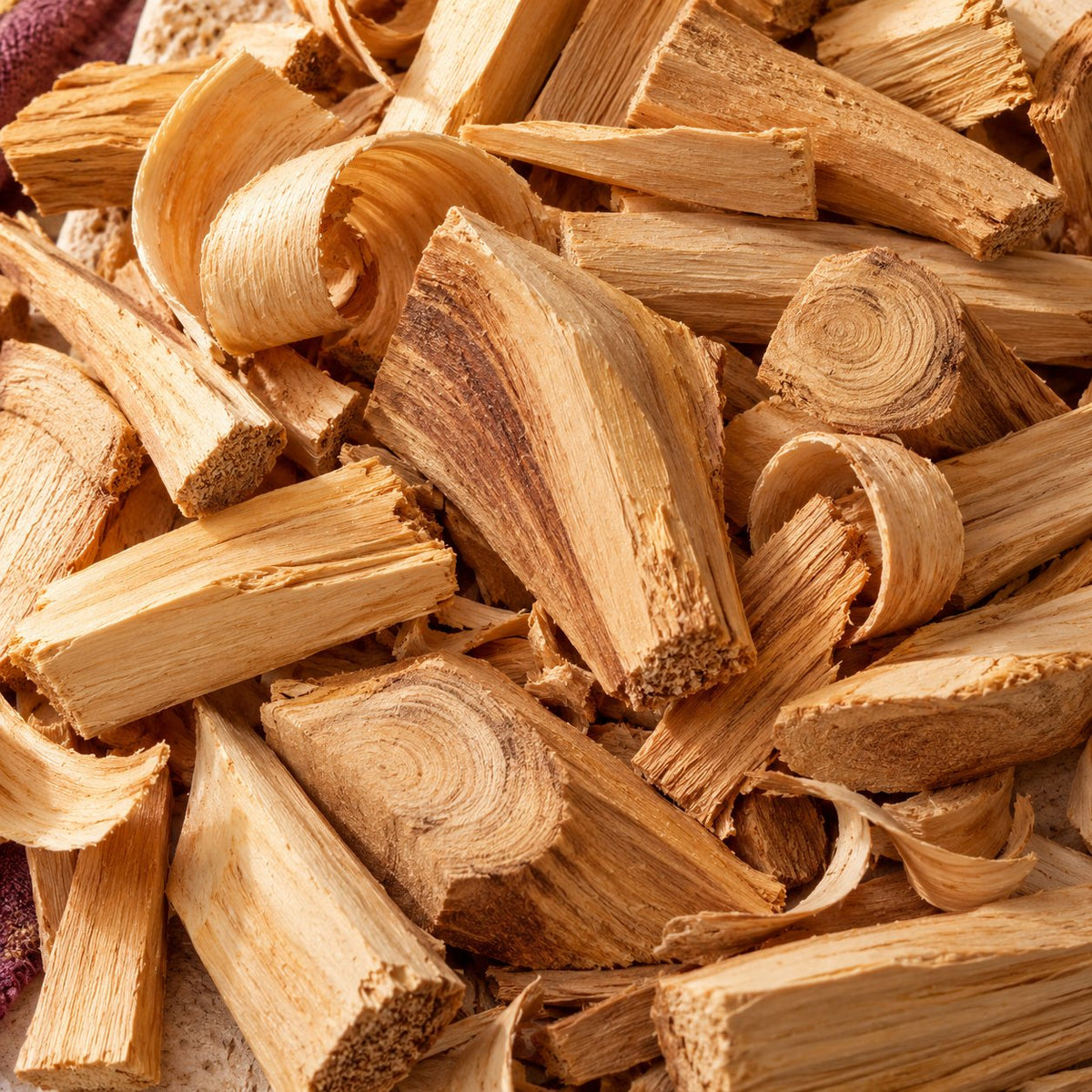
Sandalwood comes from the heartwood of Santalum album, a semi-parasitic tree that grows across southern India, Indonesia, and Australia. The primary bioactive compounds in sandalwood are alpha-santalol and beta-santalol. Indian sandalwood has among the highest santalol concentrations of any cultivar globally, typically 80–90% of the essential oil by weight.
Mysore sandalwood is the rarest and most potent grade. Trees must grow for a minimum of 15 years before the heartwood yields extractable oil. Because wild trees are now protected, genuine Mysore sandalwood comes from licensed cultivation — and the cost reflects that scarcity.
The Real Sandalwood Body Care Benefits for Indian Skin
Anti-Inflammatory Action
The most documented sandalwood body care benefit is its anti-inflammatory effect. Alpha-santalol suppresses the production of pro-inflammatory cytokines — the signalling molecules that cause redness, heat, and irritation in skin.
For Indian skin that deals with heat-induced inflammation, post-sun redness, or the kind of low-grade irritation that comes from humid summers and heavy clothing, this is a direct and functional benefit. Sandalwood does not mask inflammation with a cooling sensation. It reduces the inflammatory cascade at a cellular level.
Skin Brightening Without Bleaching
Sandalwood inhibits tyrosinase — the enzyme responsible for melanin production. This means it reduces the overproduction of melanin in areas where inflammation has triggered hyperpigmentation, which is extremely common on Indian skin.
This brightening effect is gentle, cumulative, and works with the skin’s own processes rather than disrupting them. Unlike actives such as kojic acid or certain chemical brighteners, sandalwood does not sensitise skin to sunlight.
Calming and Sensory Grounding
The scent of real sandalwood has documented effects on the autonomic nervous system — reducing cortisol markers in several studies, inducing relaxation responses similar to those measured during meditation.
A body care ritual is not just about what is happening on the skin’s surface. The experience of applying something that smells like real chandan — warm, woody, sacred — creates a moment of stillness in the day. This is a function that synthetic fragrances cannot replicate because they do not contain santalols.
How to Identify Real Sandalwood on a Label
What real sandalwood looks like on a label:
- Santalum album wood oil — the essential oil extracted from heartwood
- Santalum album wood extract — a water- or alcohol-soluble extract containing some santalols
- Santalum album heartwood powder — ground wood powder, used in paste formulations
What synthetic sandalwood looks like on a label:
- Fragrance or parfum — may contain synthetic sandalwood aroma compounds
- Santalyl acetate, ebanol, javanol — synthetic molecules that smell like sandalwood but have no documented skin bioactivity
What to Pair With Sandalwood in Body Care
- Glycerin or hyaluronic acid: Humectants attract water to the skin while sandalwood calms the underlying inflammation.
- Rose extract: Rose (especially Indian Kannauj rose) shares sandalwood’s antioxidant and anti-inflammatory properties.
- Shea butter: The emollient smoothing effect of shea butter gives sandalwood’s brightening activity something to work on.
Sandalwood Is Not a Trend
Sandalwood has been used in Indian skin care for over 4,000 years — not because it was fashionable, but because it was observed, generation by generation, to work. The pharmacological research on alpha-santalol confirms what Ayurvedic practitioners documented in the Charaka Samhita centuries before clinical trials existed.
When sandalwood is present in your body care at an active concentration, you are not buying into a trend. You are choosing something ancient, something chosen carefully, something that earns its place on your skin by doing actual work.
That is what sandalwood body care benefits in India actually means.
Part of The Love Co. Natural Ingredients series. Back to the complete guide →
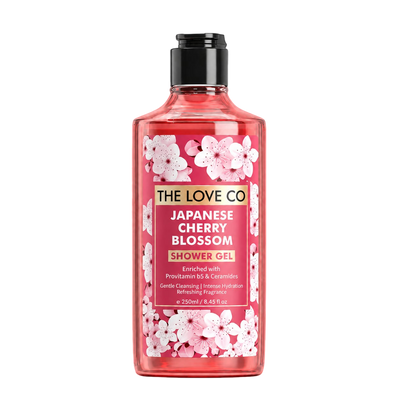
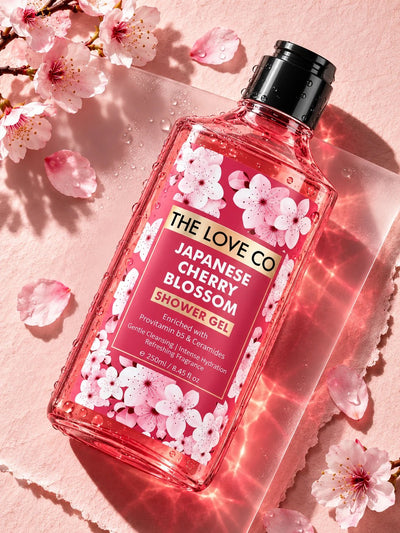
Japanese Cherry Blossom Shower Gel
Scent Trail Step 1 · soft floral body wash Start the Scent Trail here. A pH 5.5, SLS-free cleanser that protects your skin barrier while it washes. Follow...
A ritual is the smallest love you give yourself, daily.
— The Love Co · 08 May 2026