

Active Body Wash for Hyperpigmentation: From Dark Elbows to Even Skin
Dark elbows, shadowed knees, uneven tone on the inner thighs — these are among the most common body skin concerns in India, and among the most ignored. Most people assume nothing can be done about them, or that the solution requires expensive treatments.
An active body wash won't replace a dermatologist for severe hyperpigmentation. But for the everyday, accumulation-type darkening that most people have, the right formulation used consistently is genuinely transformative.
Why These Areas Go Dark
The darkening of pressure points and friction zones on the body follows a predictable biological process. Repeated friction or pressure signals the skin to protect itself — and the protection mechanism is melanin overproduction. More melanin in a concentrated area equals visibly darker skin.
For elbows: they press against desks, tables, and armrests for hours daily. For knees: friction from clothing, kneeling, and sitting. For inner thighs: constant skin-on-skin friction, especially in warm climates where sweat compounds the irritation. For underarms: daily shaving or waxing, antiperspirant use, and the friction of the arm against the torso.
Each of these is a low-grade, chronic inflammation source — and chronic inflammation drives melanin overproduction at those sites over years.
Where Body Wash Fits Into the Solution
An active body wash addresses hyperpigmentation through two distinct pathways:
Exfoliation — removing the darkened surface cells faster than they would shed naturally, revealing fresher, less pigmented cells below. This is the faster-acting pathway; results are visible within 2–4 weeks.
Melanin inhibition — active ingredients that reduce the rate of melanin production at the source, preventing new pigmentation from forming and gradually reducing existing pigmentation over 6–12 weeks of consistent use.
The best formulations do both simultaneously.
Key Ingredients to Look For
Kojic Acid
One of the most effective melanin inhibitors available without a prescription. Derived from fungi, it blocks tyrosinase — the enzyme responsible for melanin synthesis. Particularly effective for chronic friction-related darkening. Can cause mild tingling in sensitive areas; test on a small patch first.
Alpha Arbutin
A stable, gentle melanin inhibitor that converts to hydroquinone on the skin surface. Works slowly but consistently with minimal irritation — well suited for daily use on sensitive areas like inner thighs and underarms.
Niacinamide
Does not reduce melanin production but blocks its transfer from pigment cells to surrounding skin cells — preventing the spread of existing pigmentation. Works synergistically with kojic acid and alpha arbutin for faster results.
Glycolic or Lactic Acid
AHAs that accelerate shedding of the pigmented surface layer. Glycolic acid is more aggressive; lactic acid is gentler and better for darker skin tones where over-exfoliation can trigger reactive pigmentation. Both enhance the efficacy of melanin inhibitors by clearing the path to fresher skin below.
Vitamin C Derivatives
Sodium ascorbyl phosphate and ascorbyl glucoside provide antioxidant defence against the UV-triggered oxidative stress that worsens hyperpigmentation, while also contributing mild brightening activity.
Application Technique for Hyperpigmented Areas
Active body wash benefits from slightly longer contact time on targeted areas. Apply to elbows, knees, and inner thighs, work into a light lather, and let it sit for 60–90 seconds before rinsing. This contact window allows the active ingredients to begin working rather than being rinsed away immediately.
Use a soft cloth or your hands — not a harsh loofah — on hyperpigmented areas. Mechanical abrasion can worsen the friction-induced inflammation that's causing the darkening in the first place.
The Lotion Step Is Non-Negotiable
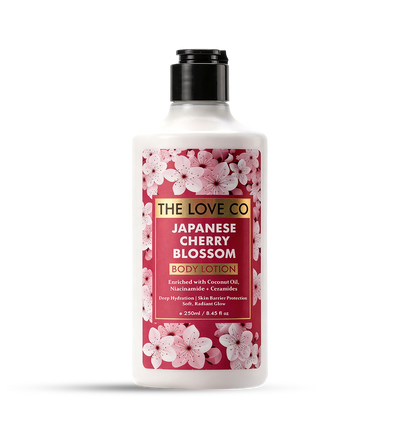
Active body wash initiates the brightening process. An active body lotion with niacinamide, kojic acid, or alpha arbutin continues it for the next 12–24 hours. The combination is significantly more effective than either product alone — the wash exfoliates and primes; the lotion treats and protects.
Applied together consistently, this pairing is the most accessible and effective non-prescription protocol for body hyperpigmentation available for Indian skin.
Realistic Timeline
Surface-level darkening from sun exposure: 3–4 weeks. Friction-based chronic darkening on elbows and knees: 6–10 weeks for visible change, 3–4 months for significant improvement. Inner thigh and underarm hyperpigmentation: the slowest to respond, typically 3–6 months, because the triggering factor (friction) is ongoing.
Addressing the root cause alongside the topical treatment accelerates results — loose clothing to reduce friction, SPF on exposed areas, gentle hair removal methods for the underarms.
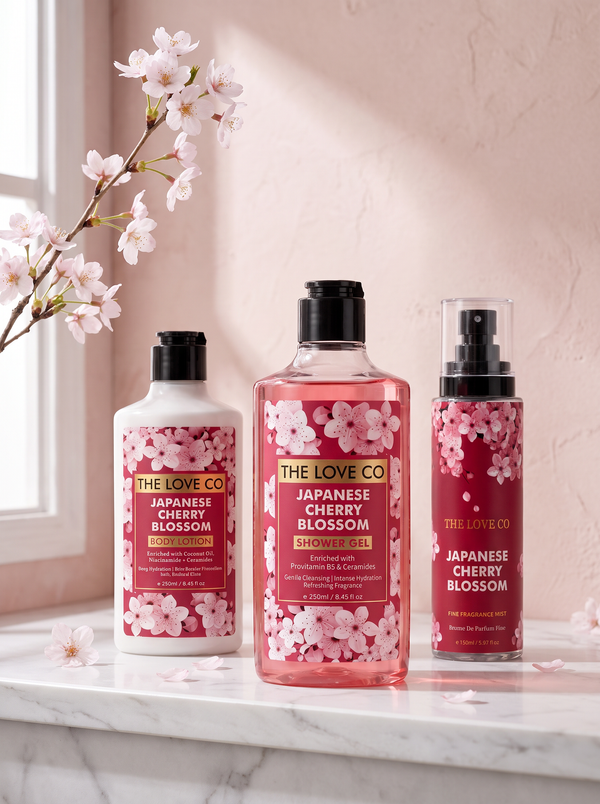
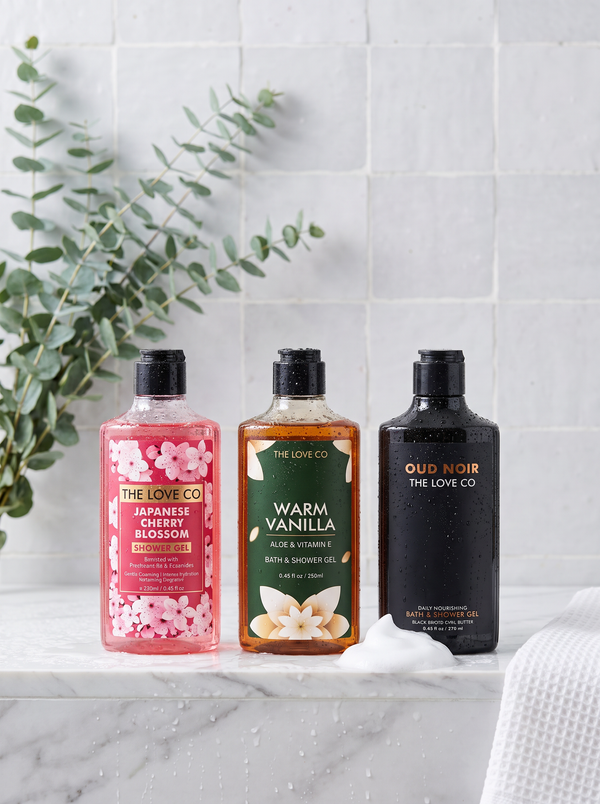
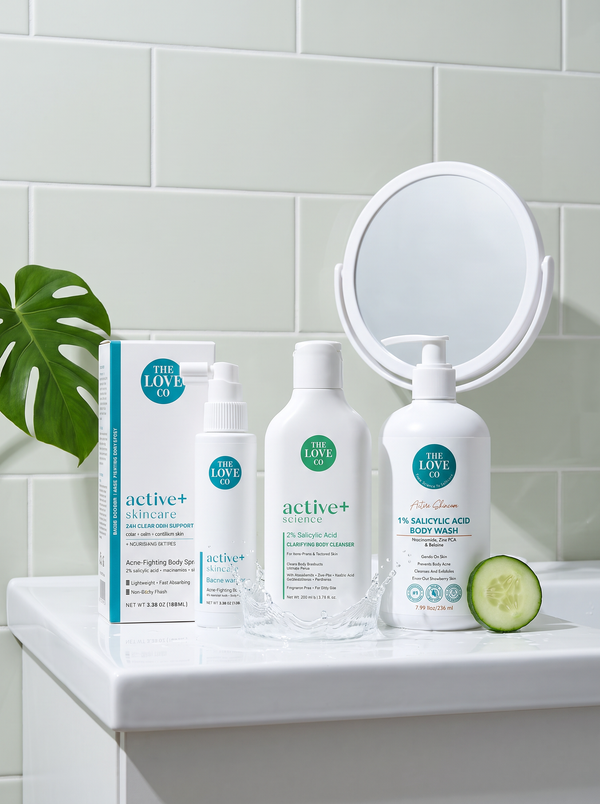
Shop The Love Co's body wash range — active formulations built for Indian skin and the specific concerns it faces.
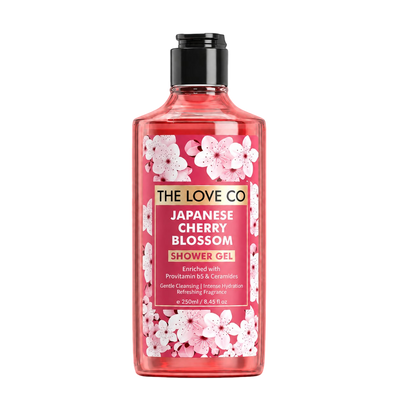
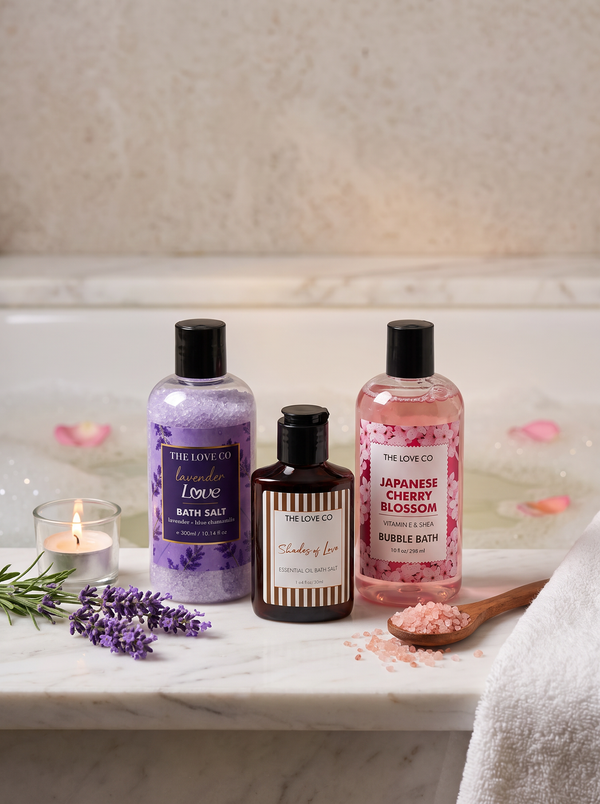
Japanese Cherry Blossom Shower Gel
Scent Trail Step 1 · soft floral body wash Start the Scent Trail here. A pH 5.5, SLS-free cleanser that protects your skin barrier while it washes —...
A ritual is the smallest love you give yourself, daily.
— Shopify API · 07 May 2026