


The relationship between food and acne is the most over-promised topic in skincare. Half the internet tells you dairy is the enemy. The other half tells you sugar is. A third corner blames seed oils, gluten, or whatever a wellness influencer flagged that month. The honest answer — the one supported by actual dermatology research — is more complicated and less satisfying: diet plays a real but individual role in body acne. For some people, dietary changes deliver meaningful improvement. For others, they make almost no difference. Anyone telling you otherwise is selling something.
This is the honest, evidence-grounded breakdown for Indian patients. We will tell you what the research actually shows, where the evidence is strong, where it is mixed, and what to actually try.
What the Evidence Actually Says
Three dietary factors have meaningful evidence linking them to acne:
1. High-glycemic-load diets. Diets high in refined carbs and sugars — white rice, white bread, sugary chai, sweets, packaged snacks — raise insulin and IGF-1, both of which can stimulate sebum production and androgen activity. Studies in Asian populations show modest but real improvement in acne with low-glycemic-load diets over 8-12 weeks. The effect is consistent but not dramatic for most patients.
2. Dairy. Some studies link dairy — particularly skim milk and whey protein — to acne severity. The evidence is mixed. A meaningful subset of patients see improvement when dairy is removed for 6-8 weeks. Others see no change. Skim milk shows a slightly stronger association than full-fat milk in studies, which is counterintuitive but consistent.
3. Omega-3 to omega-6 ratio. Higher omega-3 intake (fish, flax, walnuts) and lower omega-6 (refined seed oils used widely in Indian processed food) is associated with lower inflammatory markers. The acne effect is small but supportive.
Notably absent from strong-evidence lists: chocolate (no clear link), spicy food (no link), fried food specifically (no clear link beyond glycemic load).
Foods to Lean Toward and Foods to Reduce
| Lean Toward | Reduce |
|---|---|
| Whole grains (millets, brown rice, jowar, bajra, oats) | Refined carbs (white rice, maida, white bread, biscuits) |
| Lentils, chickpeas, rajma, moong | Sweetened drinks (sweetened chai, packaged juices, sodas) |
| Vegetables of all colors, especially leafy greens | Mithai, cakes, cookies, ice cream — particularly daily |
| Fish (especially fatty fish), eggs, paneer in moderation | Skim and toned milk if you suspect dairy sensitivity |
| Walnuts, almonds, flax seeds | Whey protein supplements (if breakouts started after starting them) |
| Curd / yogurt (often tolerated even by dairy-sensitive) | Highly processed snacks (chips, namkeen, packaged sweets) |
| Green tea | High-sugar coffee drinks |
| Water (2-3 litres daily) | Refined seed oil deep-fried items, daily |
How to Run a Personal Elimination Trial
The only way to know whether diet meaningfully drives your body acne is to test it on yourself. Here is a sensible protocol:
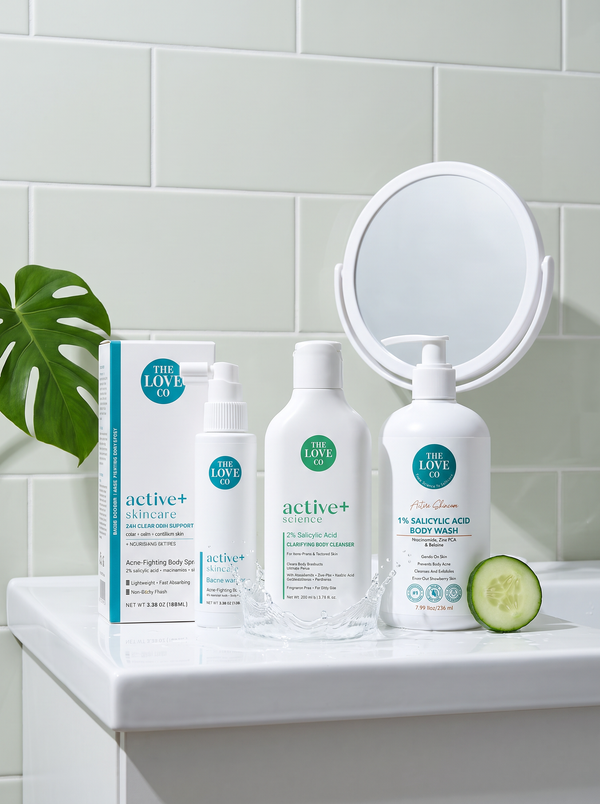
- Dial in your topical routine first. A salicylic, pH 5.5, SLS-free body wash twice daily for at least 6 weeks. Diet is rarely the dominant factor — topical care is. Our exfoliating body wash collection is the foundation.
- Pick one variable to test. Dairy or refined carbs are the highest-yield candidates.
- Eliminate it for 6-8 weeks fully. Less than 6 weeks is not enough — skin turnover is slow.
- Track your skin honestly. Photos every 2 weeks of chest, shoulders, and back.
- Re-introduce and observe. If breakouts return within 2-3 weeks, you likely have a real sensitivity. If nothing changes, that variable is not your driver.
Gut Health and Body Acne
The gut-skin axis is real but heavily over-marketed. Some patients with chronic body acne also have measurable gut dysbiosis (imbalanced gut bacteria), and addressing it — through fiber-rich diets, fermented foods, sometimes probiotics — can help. The effect is individual and modest. Curd, idli, dosa, kanji, and other traditional Indian fermented foods are good additions to any diet for general gut health.
Honest framing: do not buy expensive probiotic supplements as a primary acne treatment. Eat fermented foods, eat fiber, manage stress, and see if your skin improves over 8-12 weeks. If it does not, the gut was not the bottleneck.
"Diet matters for body acne, but I have to be honest with my patients about how much. For most people, dialling in topical care delivers eighty percent of the result. Diet is the next twenty, and it is highly individual. I have patients who clear up the moment they cut dairy, and patients who change everything they eat with no improvement at all. Test, track, do not generalize."
— Dr. Tanvi Sehgal, MD, Dermatologist
What Does Not Work (Despite the Hype)
- Spicy food causing acne. No evidence. The "heaty foods" cultural framing in India is not supported by research.
- Cutting all fats. The body needs essential fatty acids for healthy skin. Cutting all fat, especially omega-3s, can worsen barrier function.
- Detox teas, juice cleanses. Zero evidence for body acne. Often disrupt gut flora and electrolyte balance.
- Eliminating gluten unless you have a confirmed sensitivity. No clear acne link in non-celiac populations.
- Dramatic single-food blame. Acne is multi-factorial. One food rarely explains it.
What to Actually Do
If you are committed to addressing body acne fully:
- Switch to a salicylic, pH 5.5, SLS-free body wash. Browse the range. Why SLS-free matters.
- Use it twice daily for at least 6 weeks before drawing conclusions.
- Layer in an AHA body wash 2-3x weekly for surface texture.
- For sensitive skin, our sensitive skin collection.
- Then run a focused elimination trial — dairy or refined carbs first.
- Hydrate well, eat colorful vegetables, prioritize whole grains, and add fermented foods.
- Sleep 7-8 hours and manage stress as best you can.
Frequently Asked Questions
Should I cut dairy completely if I have body acne?
Not as a first step. First dial in your topical routine. If breakouts persist after 6-8 weeks, run a 6-8 week dairy elimination as a personal trial. Some patients benefit, many do not.
Does sugar directly cause acne?
Indirectly, yes — high-glycemic-load diets raise insulin and IGF-1, which can drive sebum production. The effect is consistent but modest. Cutting back on refined sugars helps, but it rarely solves body acne alone.
Is whey protein causing my acne?
Possibly, if breakouts started or worsened after you began using it. Try 6-8 weeks off whey protein to test. Plant-based protein options (pea, soy) do not have the same association.
Does drinking more water clear acne?
Hydration supports overall skin health but is rarely a primary acne driver. Drink to thirst plus a bit more, but do not expect water alone to clear breakouts.
What about Ayurvedic dietary advice for acne?
Some traditional Ayurvedic guidance — reducing fried, oily, sugary, and overly processed foods, eating fresh whole foods — overlaps with modern evidence on glycemic load. Other guidance (avoiding all "heaty" foods, specific spice avoidance) is not supported. Evaluate advice by mechanism, not source.
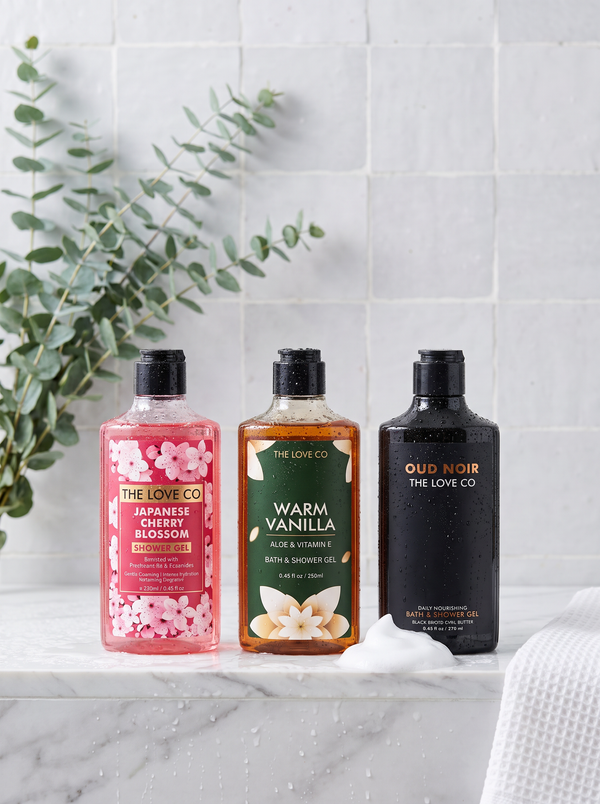
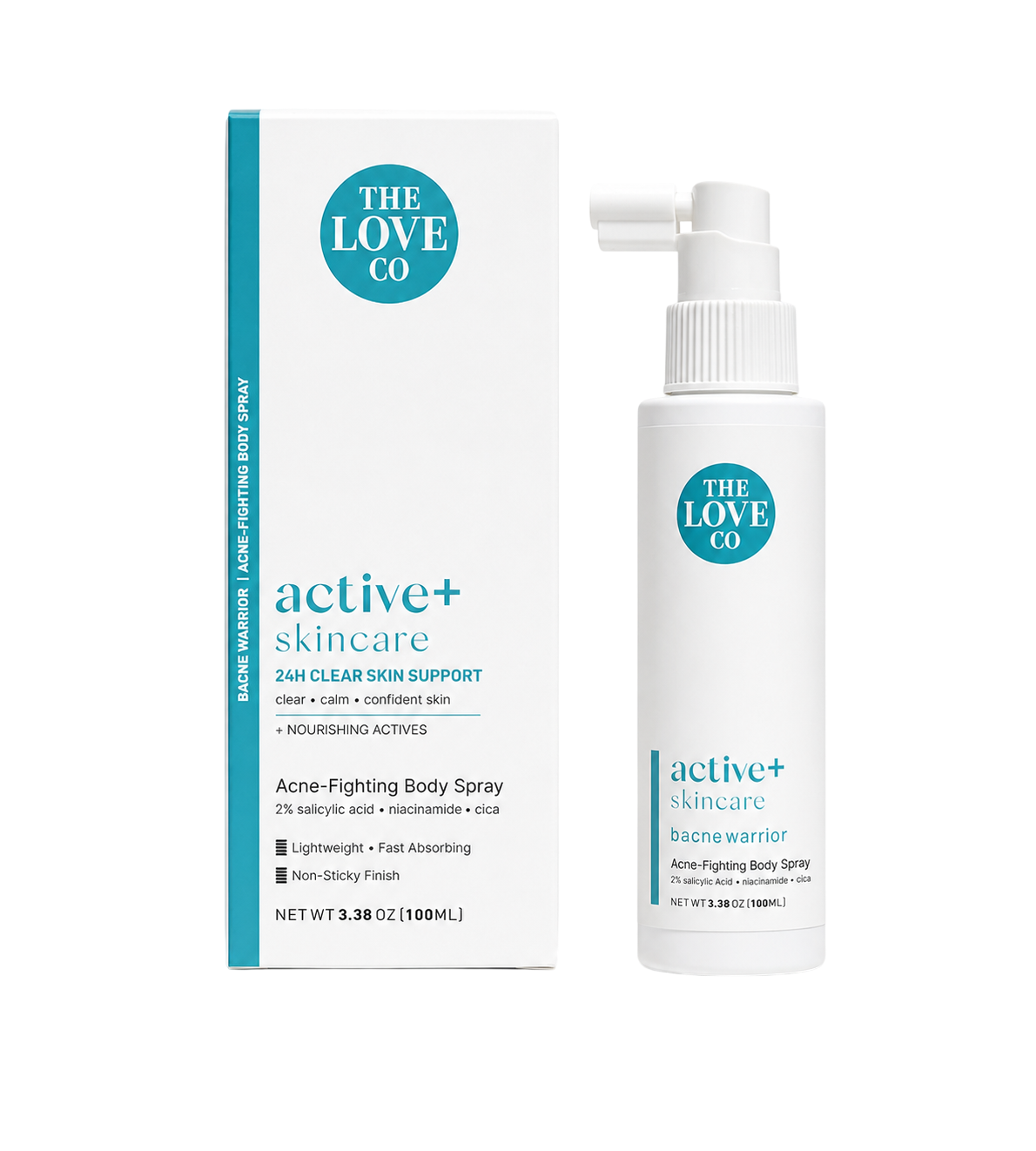
Start where the evidence is strongest — topical care. Browse our body wash and shower gel collection — SLS-free, pH 5.5, dermatologist-tested. Then layer dietary trials honestly on top.
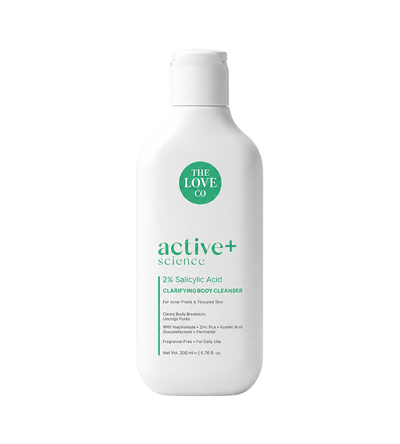
2% salicylic acid body cleanser
The step-up salicylic cleanser for skin that has tolerated 1% BHA and needs stronger pore-clearing support for stubborn bacne, clogged pores, and KP-prone texture. How To Use Start...
A ritual is the smallest love you give yourself, daily.
— Hemang Jain · 03 May 2026