
If you've spent years treating face acne only to see angry breakouts crop up along your jawline, chest, and back in your late 20s or 30s, you're not imagining it. Hormonal body acne is one of the most under-discussed skin concerns among Indian women — and it's rising fast. Between PCOS rates climbing past 20% in urban India, perimenopause hitting earlier, and the everyday cocktail of stress, dairy, and humidity, the body is breaking out in places no spot treatment was designed for.
This isn't your teenage acne. It's deeper, more cyclical, and it needs a different approach.
How Hormonal Body Acne Looks Different
Adolescent acne tends to surface on the T-zone and clears up by the mid-20s. Hormonal body acne in adult Indian women shows up in patterns: deep, painful cysts along the jaw, lower cheeks, neck, chest, and the upper back. Flare-ups follow your menstrual cycle — usually a week before your period — and they leave dark, stubborn post-inflammatory hyperpigmentation (PIH) that lingers for months on Indian skin tones.
If you're seeing the same breakouts in the same spots month after month, that pattern itself is the diagnosis cue. Surface-level acne washes won't shift it.
The Indian Triggers Your Dermatologist Will Ask About
PCOS is the headline cause, but it's rarely working alone. The triggers we see most often in Indian women:
- Insulin resistance — common with PCOS, accelerated by high-GI diets (white rice, sugar, refined flour)
- Dairy, especially A1 milk and whey protein — the IGF-1 spike is a known sebum trigger
- Humidity and sweat — Mumbai, Chennai, and coastal cities create the perfect occlusion environment for body acne
- Hair oils migrating to the back — coconut, almond, and amla oils slipping down past the shoulders during the overnight oil routine
- Tight synthetic gym wear — friction plus trapped sweat equals folliculitis that mimics acne
- Stopping or starting hormonal birth control — the rebound flare can last six months
The Body Care Routine That Actually Works
Hormonal body acne needs consistency, not aggression. Stripping the skin with strong sulphates makes the rebound oil worse — especially on Indian skin, which already runs more reactive in humid weather. Here's the sequence we recommend:
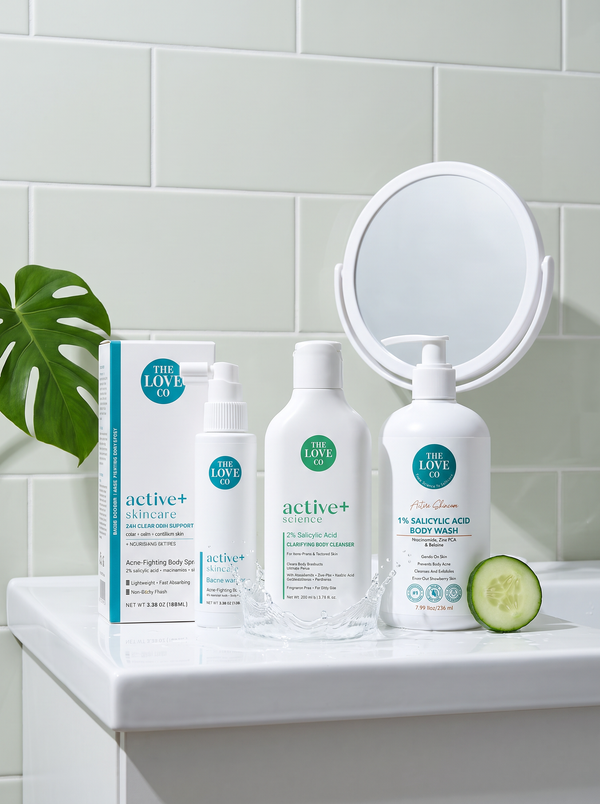
1. Switch to an SLS-free, pH 5.5 body wash. The skin barrier on the back and chest is thinner than your face. A surfactant like sodium lauryl sulphate disrupts the acid mantle, triggers inflammation, and makes hyperpigmentation darker. Look for a body wash with salicylic acid (BHA) or a low percentage of glycolic/lactic acid (AHA) instead. Our deep dive on AHA body wash walks through the right percentages.
2. Exfoliate two to three times a week — no more. Body scrubs with walnut or apricot shells are too harsh. Chemical exfoliants are gentler and reach inside the pore. Browse the exfoliating collection for chemical-first options.
3. Shower immediately after sweating. Within 15 minutes ideally — gym, yoga, a long auto ride home in May. Sweat that dries on the skin oxidises sebum and feeds the acne-causing bacteria.
4. Wash hair forward, then rinse the body last. This is the single biggest fix for upper-back acne. Conditioner residue running down your back is a common, missed trigger.
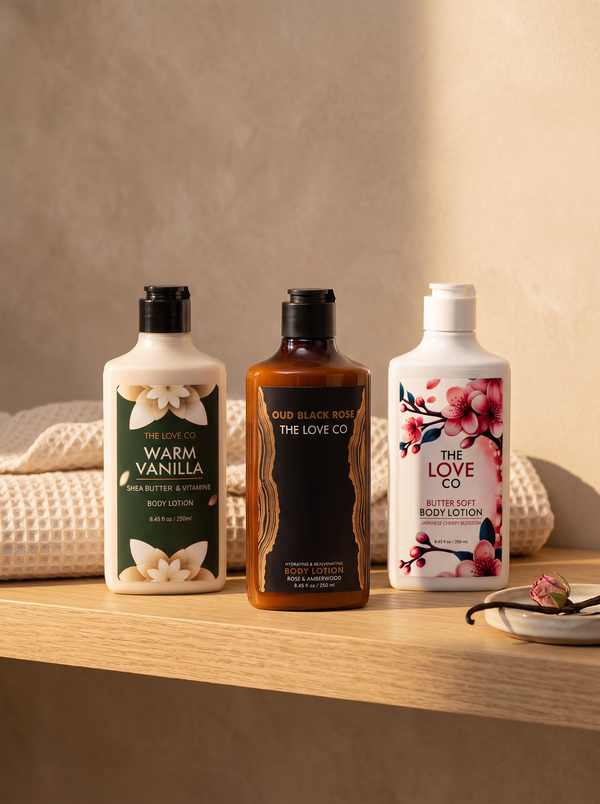
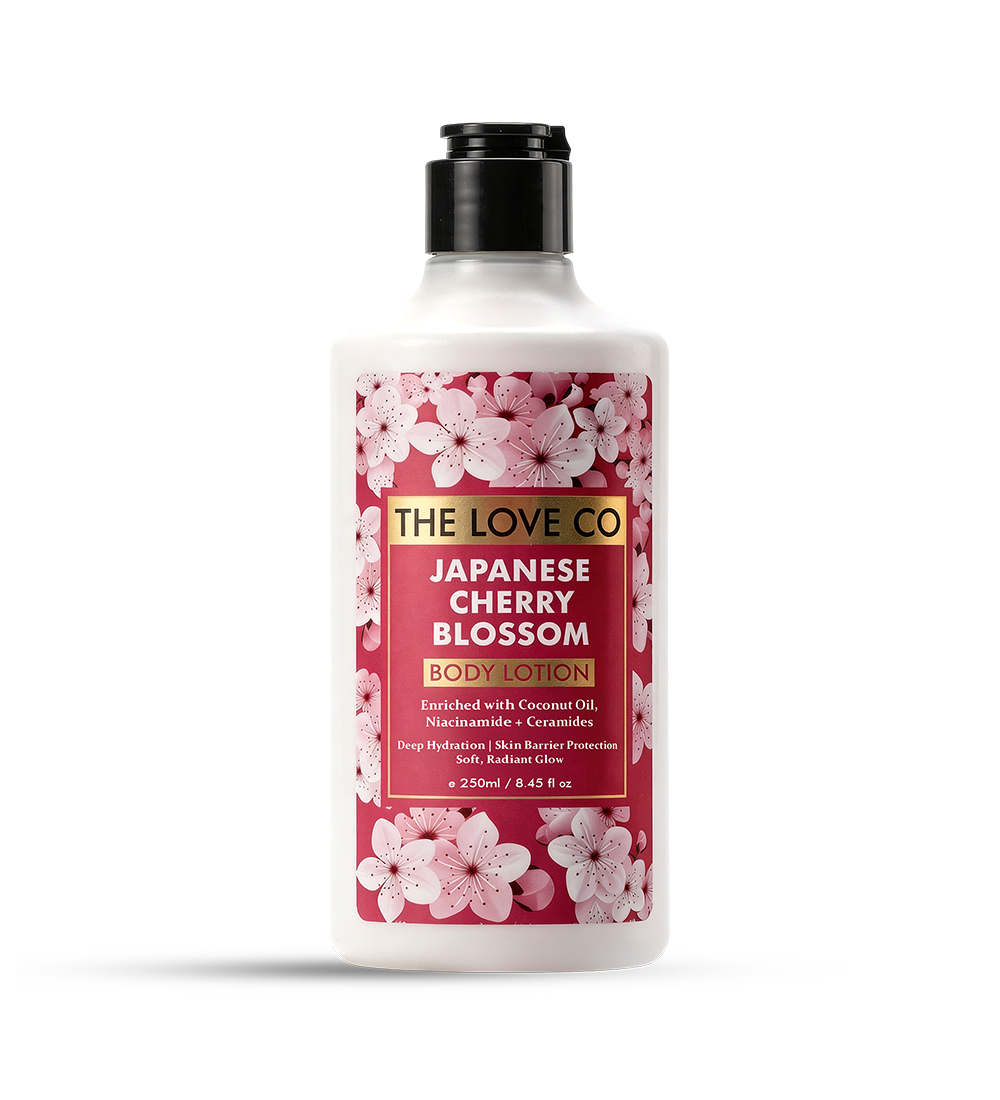
5. Moisturise — yes, even oily skin. Skipping moisturiser triggers more oil production. Use a lightweight, non-comedogenic body lotion.
6. Sunscreen on visible body acne areas. PIH on Indian skin tones gets darker without daily SPF. The chest and shoulders are sun-exposed almost year-round in India.
"In my Delhi practice, the women I see with hormonal body acne have usually tried five different face treatments before someone tells them the body needs its own protocol. Step one is always the same: stop the harsh sulphate wash, restore the pH, then layer the actives." — Dr. Tanvi Sehgal, MD, Dermatologist
When to See a Dermatologist
If you have deep, painful cysts that scar; if breakouts persist beyond three months of consistent care; if you also have irregular periods, weight changes, or excess facial hair — get blood work. PCOS, thyroid imbalance, and elevated DHEA are all treatable, but they need a diagnosis. Topical care alone won't fix a hormonal driver.
What To Expect Realistically
Skin cycles every 28 days. Give a new routine a full eight to twelve weeks before you judge it. Hormonal acne fades; the dark marks fade slower — typically four to six months on Indian skin tones with consistent SPF and gentle exfoliation. There's no overnight reset, and any product that promises one is overpromising.
FAQs
Is hormonal body acne the same as PCOS acne?
PCOS is one of the most common hormonal drivers, but not the only one. Perimenopause, post-pill rebound, thyroid issues, and chronic stress also trigger hormonal acne patterns on the body. A blood panel from your gynaecologist or endocrinologist clarifies the cause.
Should I stop dairy completely?
Not necessarily. Try a four-week dairy break and watch your skin. Many Indian women see a meaningful reduction in cysts. If nothing changes, dairy isn't your trigger and you can reintroduce it.
Can salicylic acid body wash be used every day?
Yes, if it's a low concentration (0.5–2%) in an SLS-free, pH-balanced base. Daily use is fine on the back, chest, and shoulders. Skip it on broken or freshly waxed skin.
Why do I break out more during Indian summers?
Heat, humidity, sweat trapped under clothing, and increased sebum production all combine. Switch to lightweight cotton, shower more often, and cycle in a clarifying body wash during May–September.
Will spironolactone help?
For androgen-driven acne, spironolactone is one of the most effective oral options for adult women — but it's prescription-only and needs medical supervision. Talk to your dermatologist; don't self-medicate.
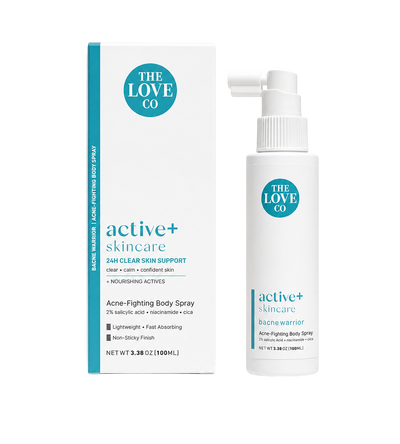
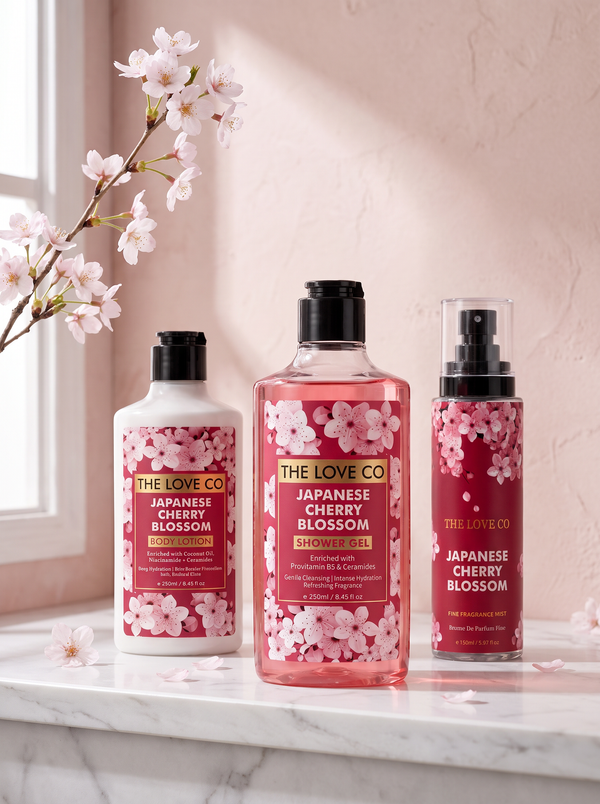
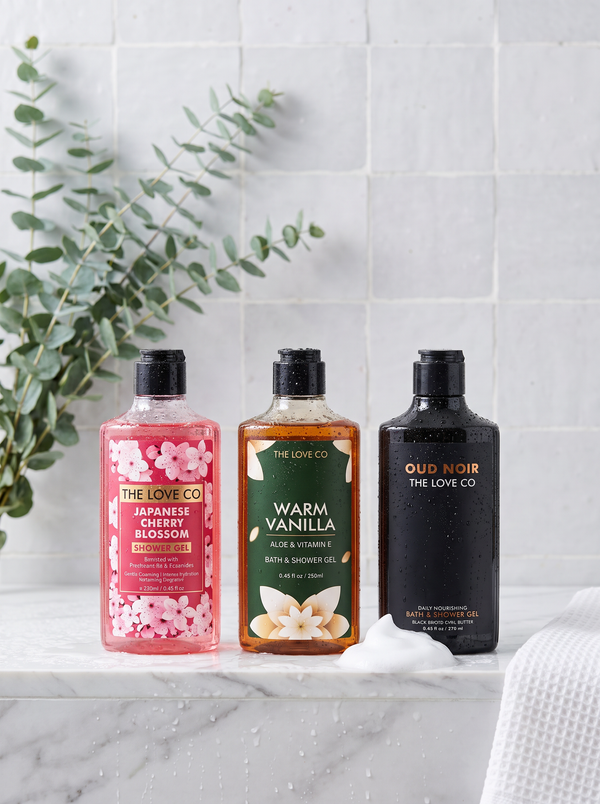
Hormonal body acne responds to patience plus the right barrier-friendly routine. Start with a fragrance-led, SLS-free body wash and build from there. Explore the full TLC body wash range — every formula is pH 5.5, SLS-free, and dermatologist-tested.
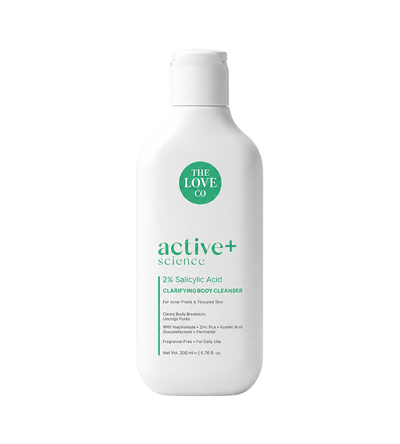
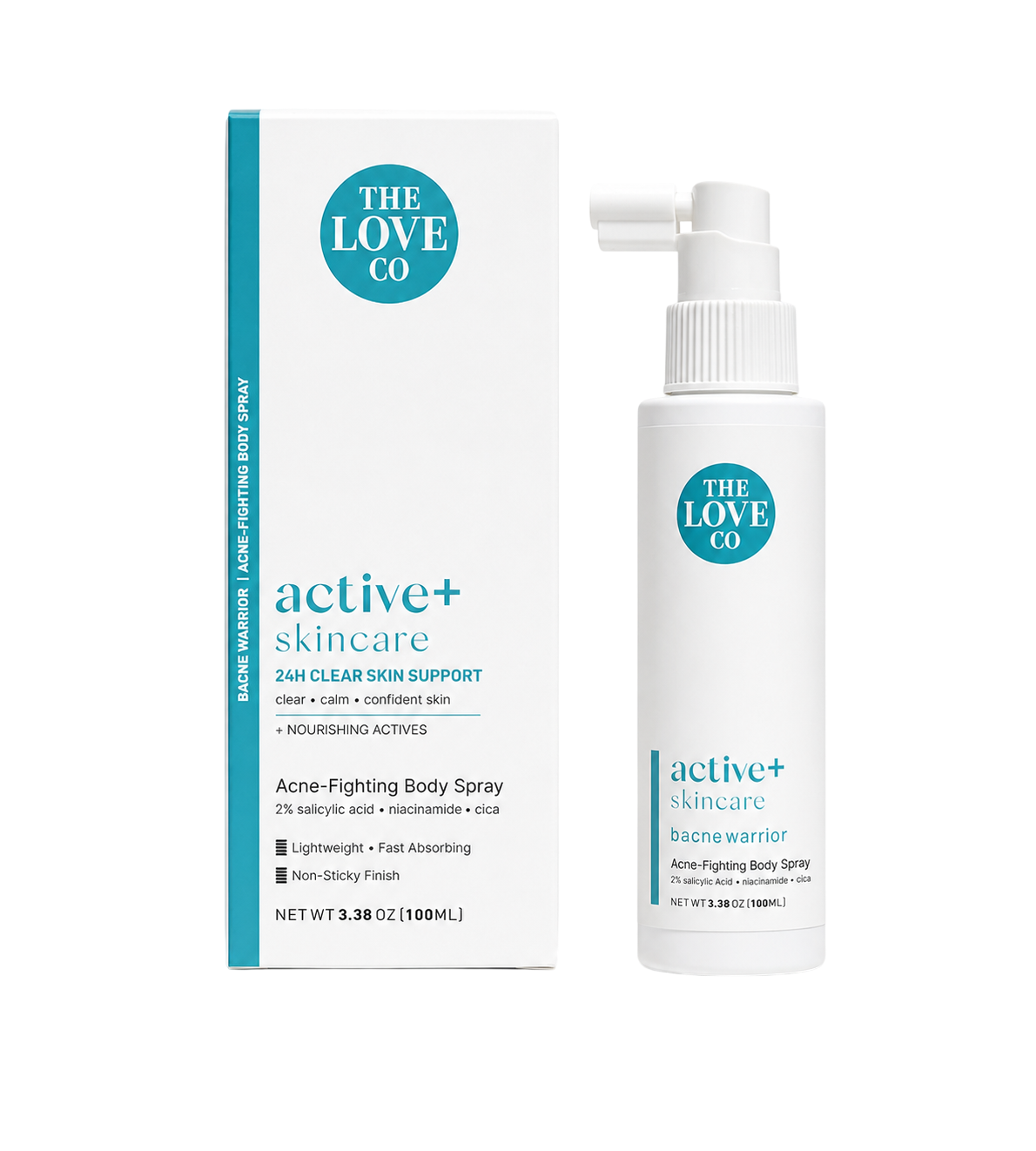
2% salicylic acid body cleanser
The step-up salicylic cleanser for skin that has tolerated 1% BHA and needs stronger pore-clearing support for stubborn bacne, clogged pores, and KP-prone texture. How To Use Start...
A ritual is the smallest love you give yourself, daily.
— Hemang Jain · 02 May 2026