


You feel the cluster of bumps across your shoulders and you reach, automatically, for the word acne. It is the catch-all we all use. But under that single word sit a few genuinely different things, and treating one as if it were another is the quiet reason a lot of people scrub and treat for weeks with nothing to show for it. The bumps on your back are sending you information. Learning to read them is the first real step to clearing them.
In Indian weather especially, with heat and sweat working on your skin all day, the lines between these conditions blur. So let us draw them clearly.
What back acne actually is
True back acne, the bacne most people mean, is the same process as facial acne, just on tougher skin with bigger oil glands. A pore gets blocked with dead skin and sebum, bacteria move in, and the result is the familiar mix: blackheads, whiteheads, raised red bumps, and sometimes deeper, sorer cysts. It tends to scatter across the upper back and shoulders, the oiliest zones.
The tell-tale signs of true bacne:
- A mix of bump types, including blackheads and whiteheads, not just one uniform kind.
- Spots of varying sizes, some surfacing, some flat, some sore.
- A pattern that follows oily, sweat-prone areas.
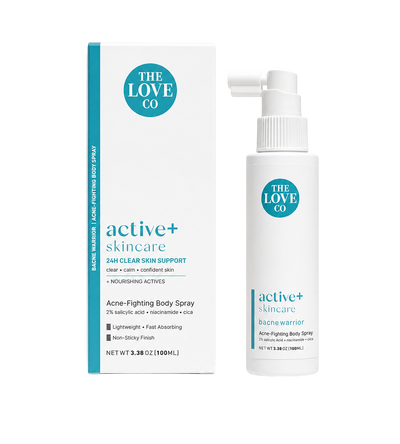
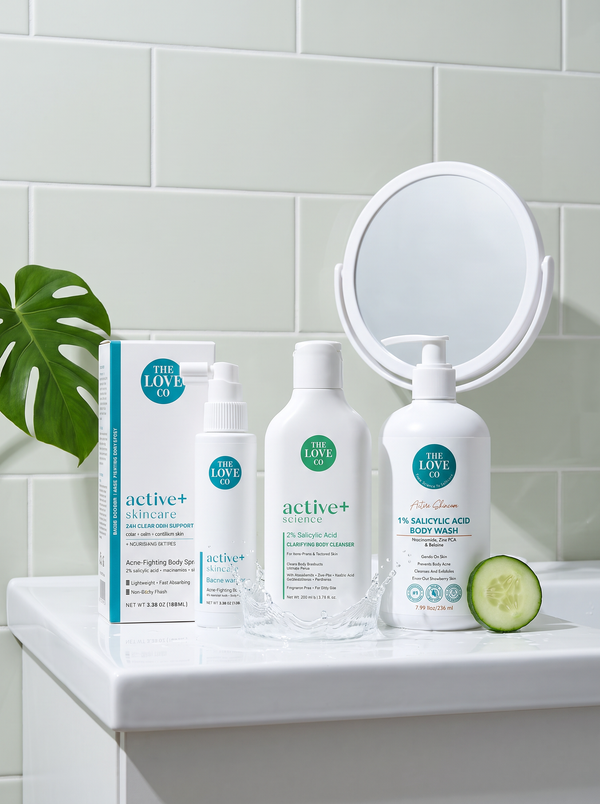
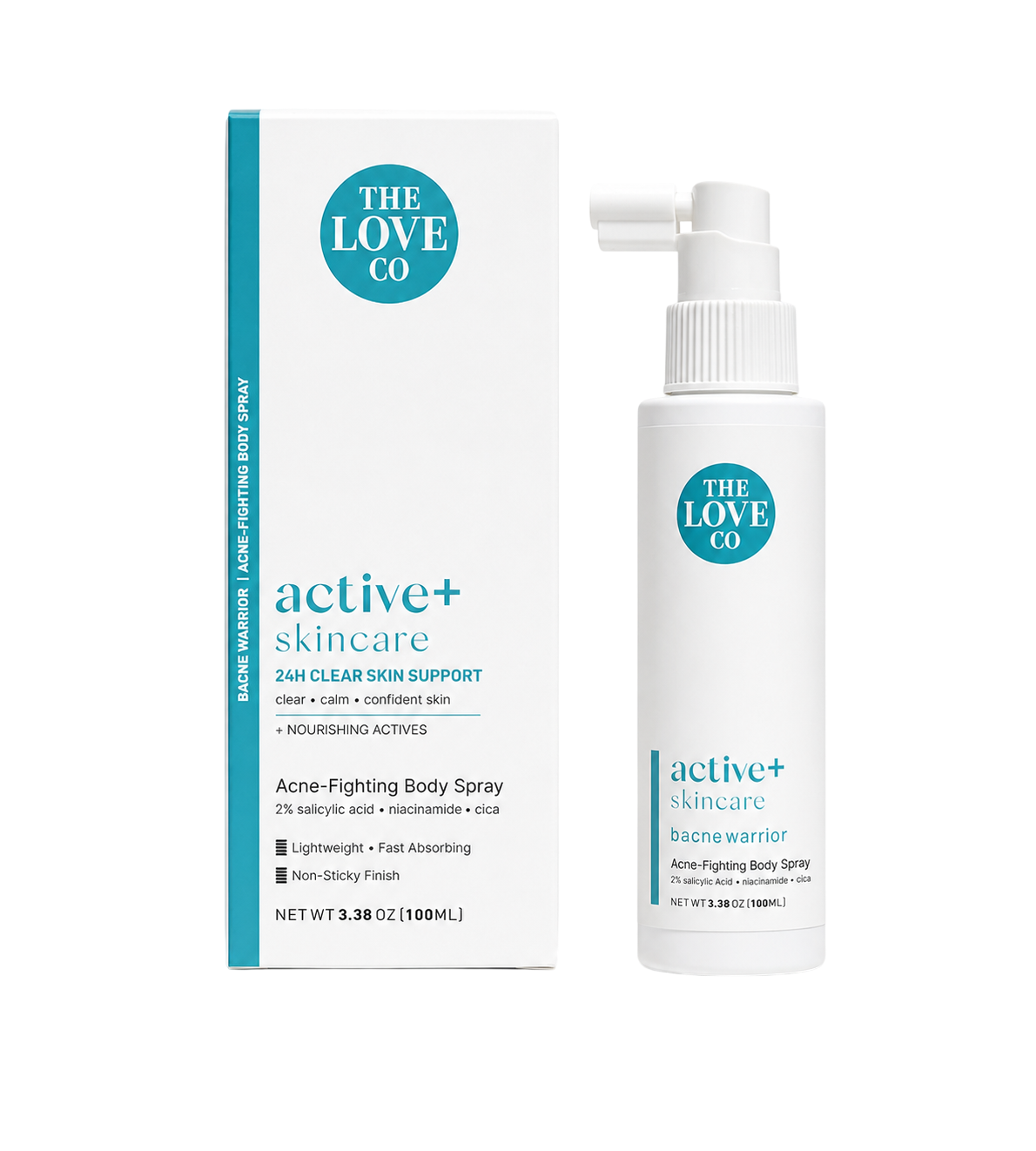
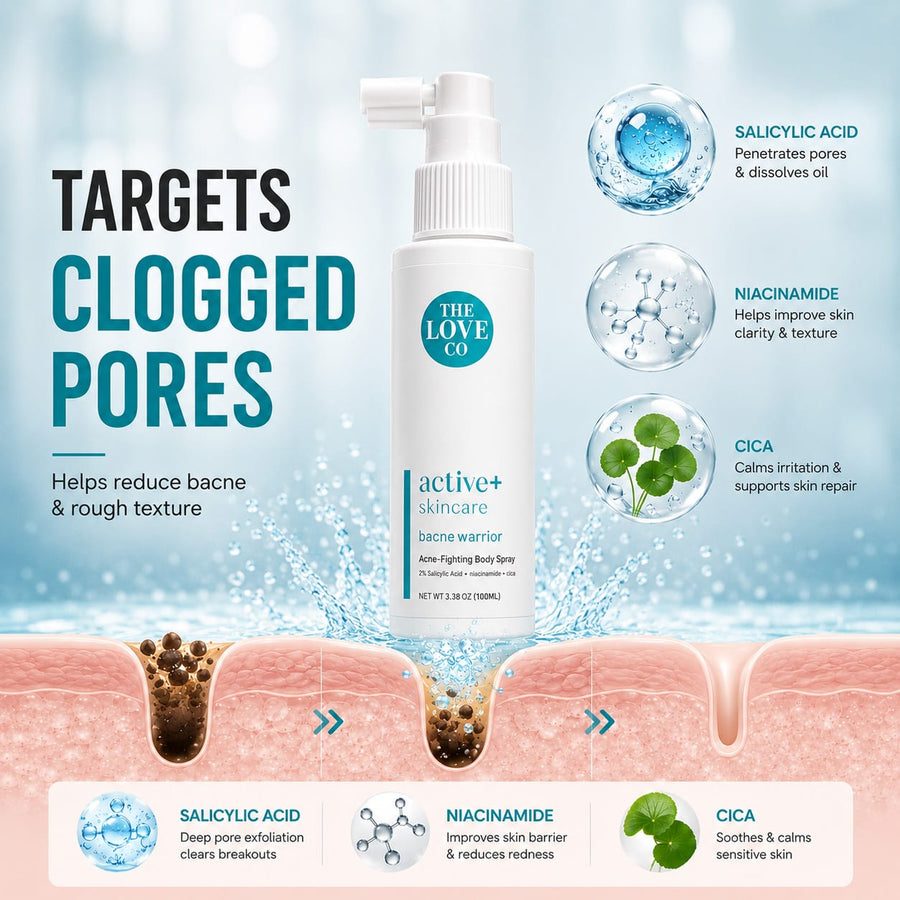
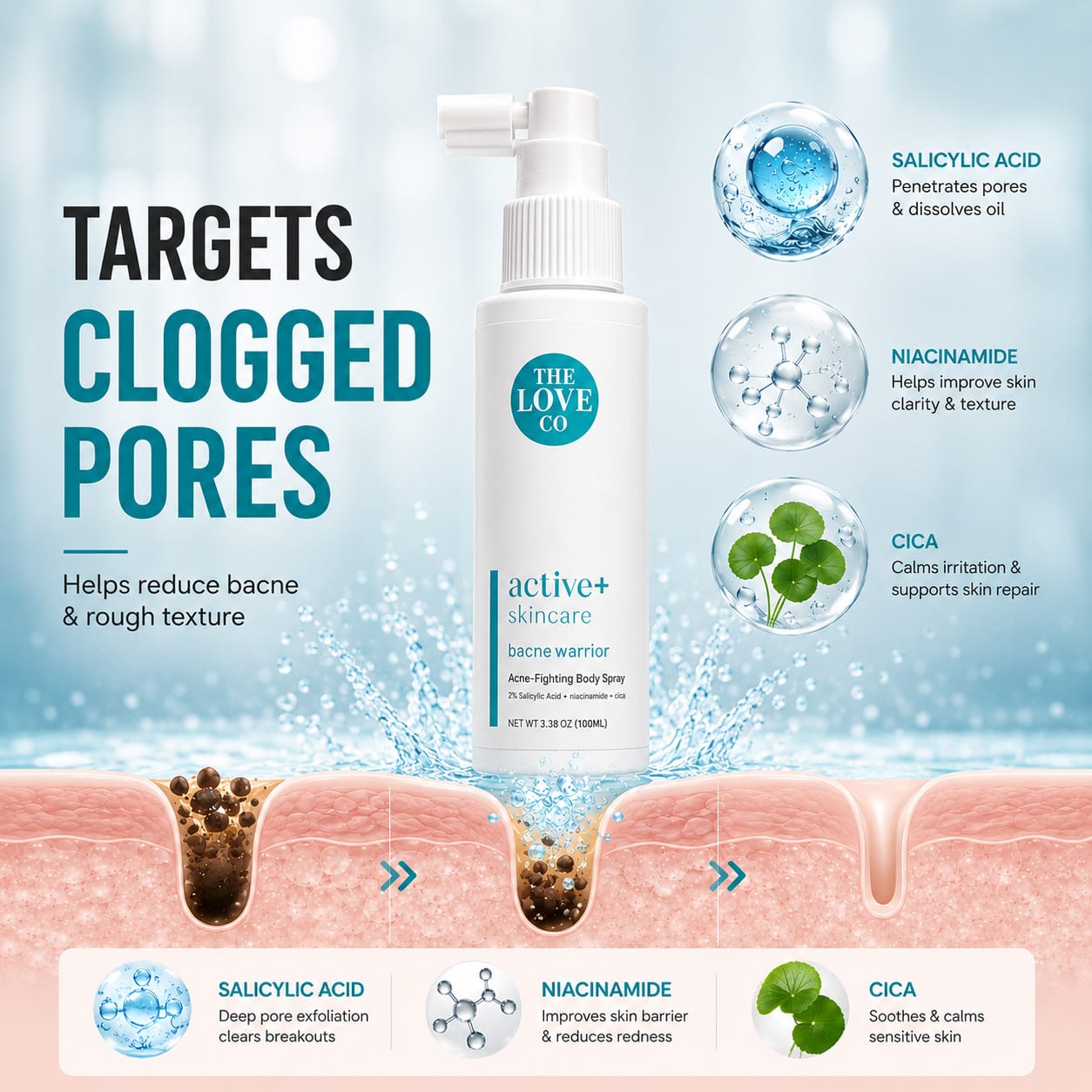
This is the type that responds to a pore-clearing, inflammation-calming approach, the cleanse-treat-protect logic behind a Bacne Warrior Routine, with salicylic acid clearing pores and niacinamide and cica settling the inflammation.
Body acne: same story, wider stage
Body acne is really just back acne with a broader address. The same clogged-pore-plus-bacteria process plays out anywhere your skin has active oil glands and faces friction or sweat: the chest, the shoulders, the upper arms, sometimes the buttocks. People often have it in more than one place at once.
The good news is that because the cause is the same, the approach is the same. What clears your back will, with a little patience, help your chest. The difference is mostly geography, not biology. If your breakouts span several areas, you are not dealing with multiple mysterious conditions; you are dealing with one process showing up in several spots.
Fungal acne: the impostor
This is the one that trips people up, because it looks like acne and answers to the same nickname but is not acne at all. Fungal acne, more correctly called malassezia folliculitis, is an overgrowth of a yeast that naturally lives on skin, inflaming the hair follicles. In hot, humid, sweaty conditions, exactly the Indian summer, it thrives.
Here is how to spot the impostor:
- Uniformity. Fungal acne shows up as lots of small, same-sized bumps, almost like a rash, rather than the mixed sizes of true acne.
- Itch. True acne rarely itches much. Fungal breakouts often do.
- No blackheads. Because it is follicle inflammation, not clogged pores, you typically will not see the blackheads and whiteheads of real acne.
- Timing. It often flares after heavy sweat, long hours in damp gym clothes, or humid weather, and clusters on the upper back, chest and shoulders.
The crucial point: fungal acne does not respond the way bacterial acne does, because the cause is a yeast, not a clogged pore. If your bumps are uniform, itchy and blackhead-free, that is your signal to look at sweat habits and consider an anti-fungal approach rather than expecting an acne routine alone to fix it.
A quick side-by-side
If you only remember three questions, make them these:
- Are the bumps mixed or uniform? Mixed sizes and types lean acne. Uniform, rash-like bumps lean fungal.
- Do they itch? Itch leans fungal. Soreness without much itch leans acne.
- Are there blackheads and whiteheads? Their presence points to true acne. Their absence raises the fungal possibility.
Why getting this right matters for marks
On melanin-rich skin, every inflamed bump, whatever its cause, can leave a dark mark that lingers long after the bump is gone. That raises the stakes on identifying correctly and calming quickly. The faster you settle inflammation, the less pigmentation you inherit. For true back and body acne, that is where the soothing pair of niacinamide and cica earns its keep, and why building the calming step into your Bacne Warrior Routine matters as much as the clearing step.
Shared habits that help all three
Whatever you are dealing with, a few things help across the board, because heat and trapped sweat feed all of them. Change out of damp clothes quickly. Choose breathable cotton in the heat. Shower after workouts rather than letting sweat dry on your skin. Avoid heavy, occlusive products on your back that can trap moisture against the skin.
A few honest questions
Can I have both acne and fungal acne at once? Yes, and it is common in humid climates. Mixed and uniform bumps can coexist, which is part of why bacne can feel so confusing.
When should I see a dermatologist? If breakouts are deep and painful, leaving scars, or not budging after weeks of a consistent routine, that is the moment for professional eyes.
Will a salicylic routine hurt if it turns out to be fungal? It will not harm fungal acne, but it will not be the main answer either. Identify first, then match the approach.
Reading your own skin is a small kind of power. The relief is not just clearer skin, it is the end of guessing, the quiet confidence of finally knowing what you are looking at, and what to do about it.
2% Salicylic Acid Body Cleanser
The step-up salicylic cleanser for skin that has tolerated 1% BHA and needs stronger pore-clearing support for stubborn bacne, clogged pores, and KP-prone texture. How To Use Start...
A ritual is the smallest love you give yourself, daily.
— The Love Co · 06 Jun 2026