

There is a particular kind of impatience that comes with back acne. You start a routine on a Sunday, full of resolve, and by the next Sunday you are craning over your shoulder in the mirror asking why your back still looks the same. The flat answer is that skin keeps its own calendar, and it is slower than ours. But slow is not the same as not working, and knowing the real timeline is what keeps you going past the week most people quit.
So let us be honest about the clock. Not a fantasy of clear skin in three days, and not the despair that nothing will ever change. Somewhere in between is how bacne actually heals.
Why skin moves slower than you want
Your skin replaces itself on a cycle of roughly a few weeks. A breakout you can see today started forming under the surface days or even a week before it arrived. That means when you begin a routine, you are inheriting a queue of spots already on their way up. The first job of a good routine is not to erase what is there. It is to stop the next wave from forming. That work is invisible at first, which is exactly why patience feels so hard.
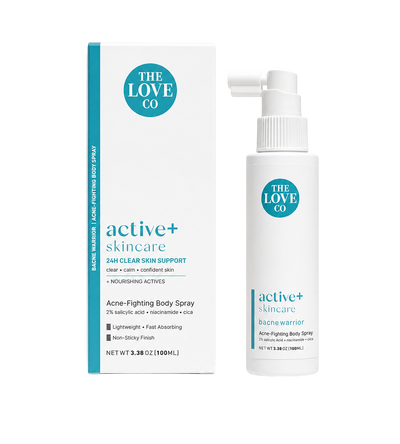
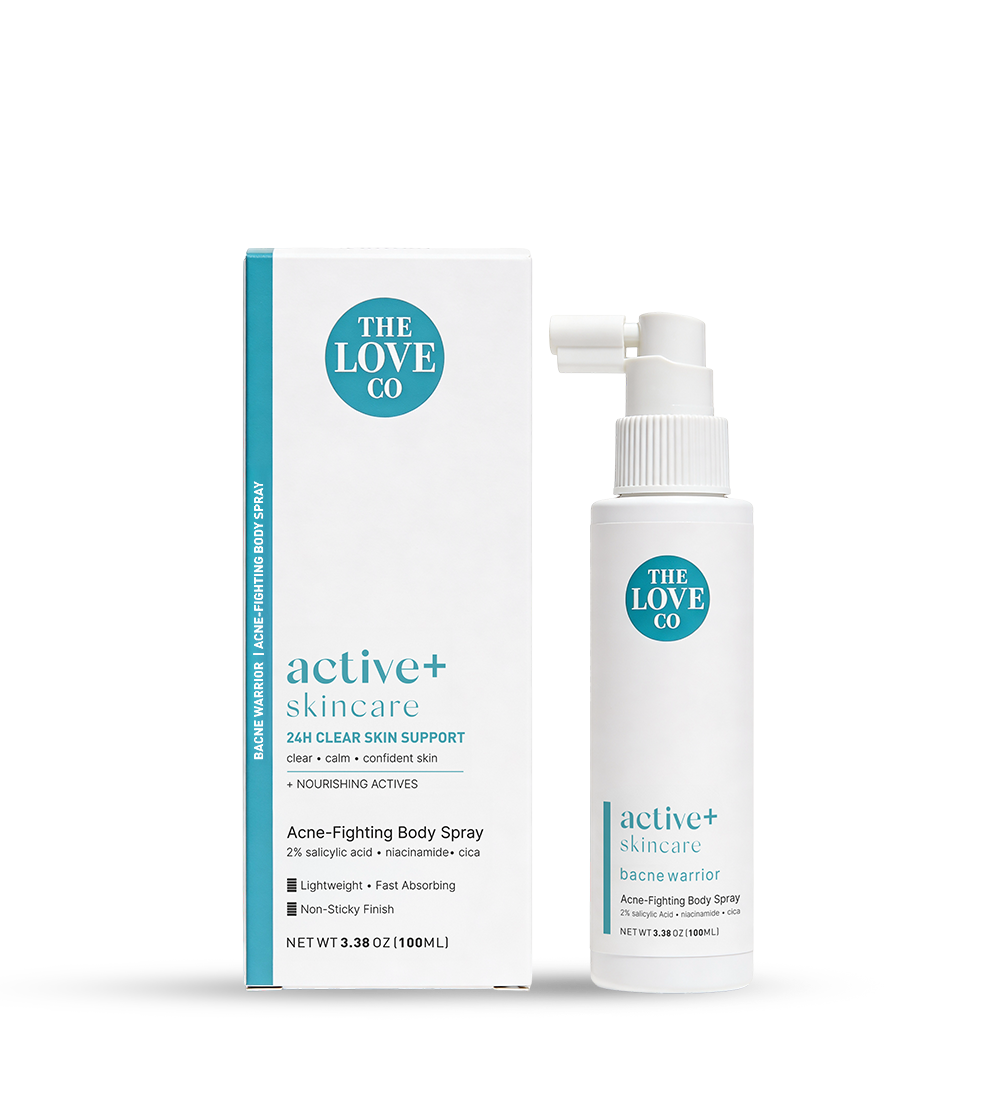
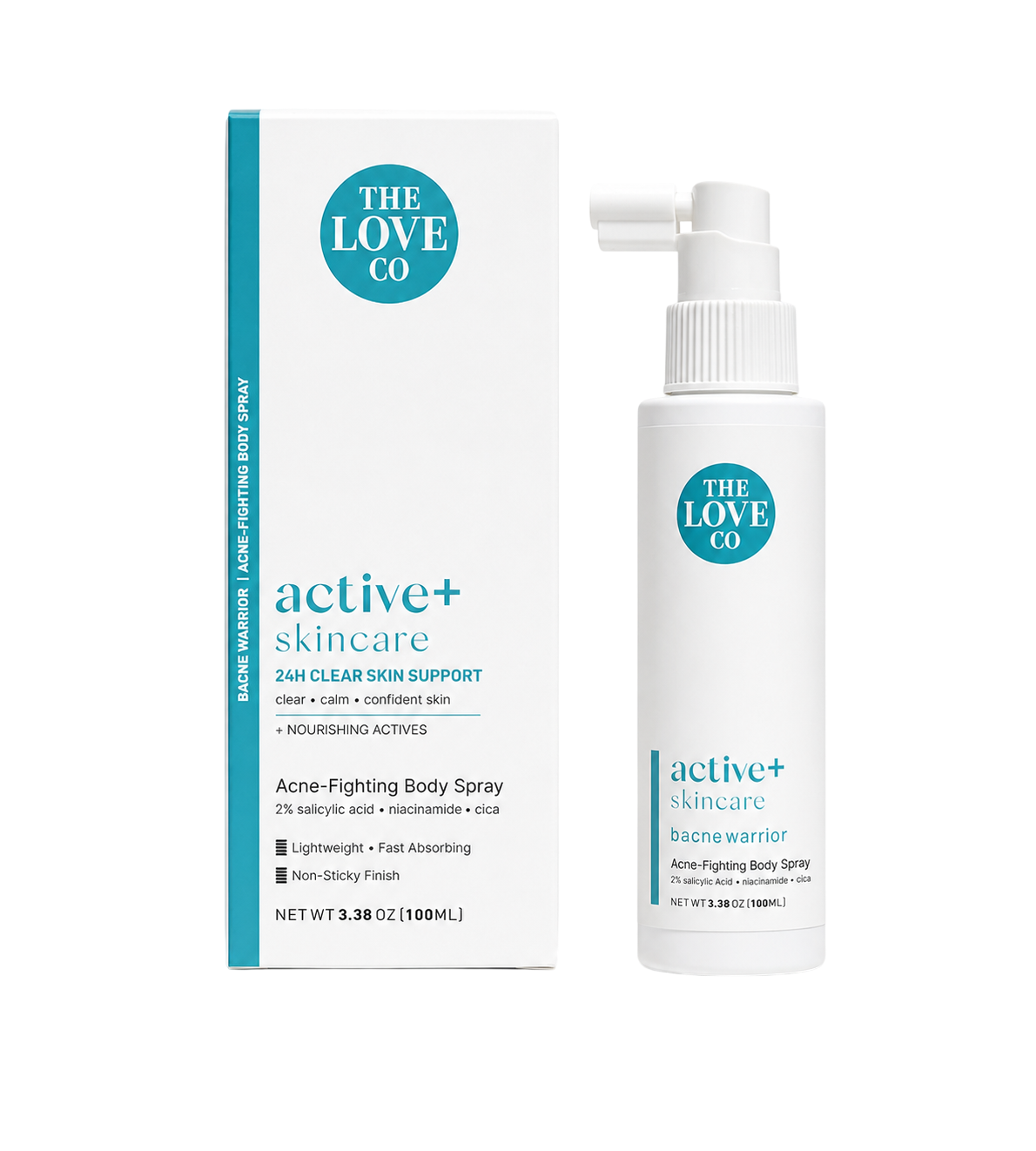
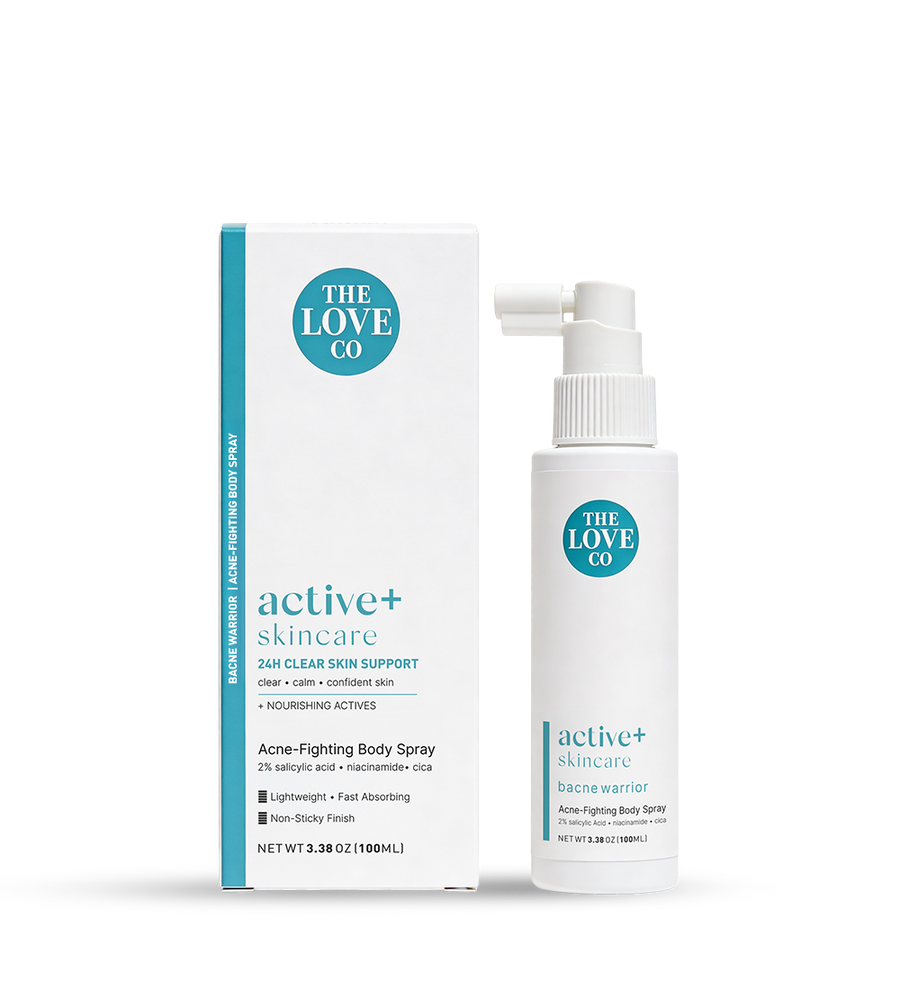
This is the logic behind a cleanse-treat-protect system like the Bacne Warrior Routine. Salicylic acid keeps pores from clogging so fewer new spots form. Niacinamide and cica calm the ones already present. Protection stops friction and sun from restarting the cycle. Each part is playing a long game.
Week one: the quiet beginning
In the first week, the honest truth is that your back may not look dramatically different. What is happening is underneath. Salicylic acid is starting to clear the inside of pores. You might notice your skin feels a little less congested, a little smoother to the touch even before it looks clearer.
- Expect texture, not transformation. Smoothness arrives before evenness of tone.
- A mild tingle when you cleanse is the active working, not a problem.
- Resist the urge to scrub harder out of impatience. Aggression inflames; it does not speed things up.
Weeks two to four: fewer new bumps
This is the stretch where most people either give up or get rewarded. The clearest early sign that a routine is working is not old spots disappearing. It is new ones failing to show up. Pay attention to the rate of fresh breakouts. If your back was producing several new bumps a week and that slows to a trickle, the routine is doing its real job.
The active spots already present will start to settle in this window too. Niacinamide and cica take the angry red heat out of them, so they shrink and flatten faster than they would have alone. For melanin-rich skin, calming inflammation early is what decides whether a spot fades cleanly or leaves a mark.
Weeks four to eight: the texture turns
By this stage, with a routine you have actually kept up, the back tends to feel meaningfully smoother. Fewer raised bumps, less of that gravelly texture, skin that no longer flinches when a strap presses on it. This is usually the point where you reach back one morning and realise something has genuinely changed.
One honest caveat: the bumps clearing and the marks clearing are two different timelines.
The marks take longest, and that is normal
This is the part nobody warns you about. The breakout heals in weeks. The dark spot it leaves behind, especially on Indian and other deeper skin tones, can linger for months. That brown shadow is post-inflammatory pigmentation, and it fades on a far slower schedule than the pimple that caused it.
- Do not judge your progress by the marks in the early weeks. Judge it by the bumps.
- Protecting marks from sun is what stops them deepening. On exposed shoulders, a body sunscreen matters.
- Niacinamide supports a more even tone over time, but evenness is a months-long story, not a weeks-long one.
Keeping the Bacne Warrior Routine going through this stage is the difference between marks that fade and marks that stay.
What can make it slower
A few real-life things stretch the timeline, and they are worth naming because they are fixable. Sweat left sitting on skin after a workout. Tight synthetic tops in the heat. Picking at spots, which is the single fastest way to turn a two-week breakout into a six-month mark. And inconsistency, the routine you do for four days and abandon for three.
Honest answers to the impatient questions
Is two weeks enough to tell if it is working? Barely. Two weeks tells you whether new breakouts are slowing. Four weeks tells you the bigger story.
Why are my marks still there after the bumps cleared? Because they heal on different clocks. Pigmentation is the slow tail of the process, not a sign the routine failed.
Can I speed it up by using more product? No. Over-using actives inflames skin and slows healing. Consistency beats intensity every time.
The real reward is not a date on the calendar. It is the gradual return of ease, the morning you stop bracing when you reach back, the slow fade of something you had started to think was permanent. Skin keeps its own time. Stay with it, and it comes around.
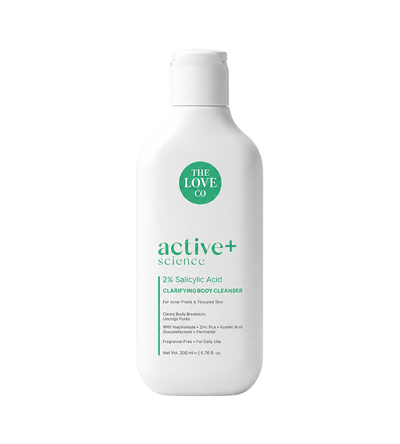
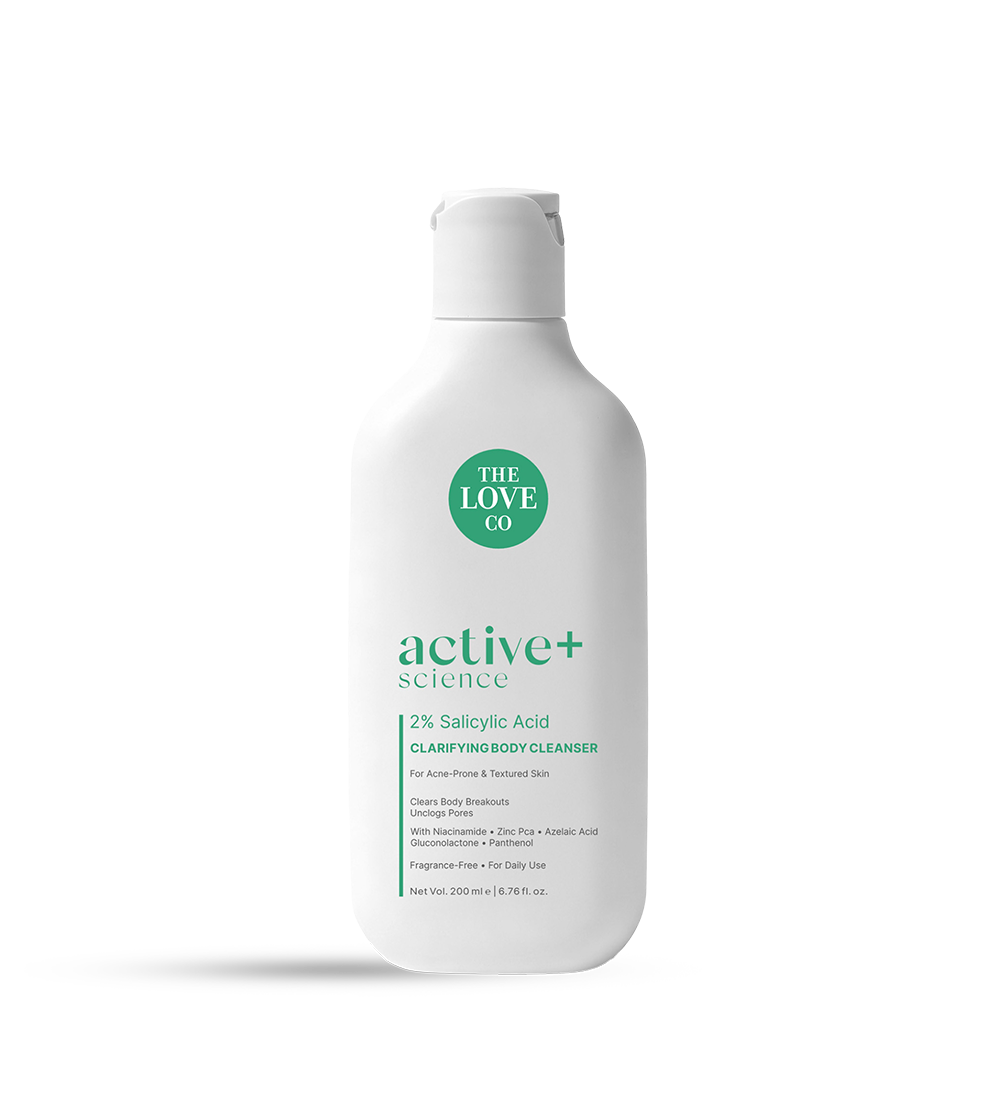
2% salicylic acid body cleanser
The step-up salicylic cleanser for skin that has tolerated 1% BHA and needs stronger pore-clearing support for stubborn bacne, clogged pores, and KP-prone texture. How To Use Start...
A ritual is the smallest love you give yourself, daily.
— Sweety Jarota · 06 Jun 2026