
You run your hand down the back of your arm and feel it before you see it. A field of tiny, raised bumps, like permanent goosebumps that never quite settle. In the mirror they catch the light, sometimes a little pink, sometimes the colour of the skin around them. They do not hurt. They do not itch much. They simply refuse to go away no matter how often you scrub. If this is a texture you have known since you were a teenager, you are not imagining it, and you have certainly not done anything wrong to deserve it.
That texture has a name: keratosis pilaris, KP for short. And once you understand what is actually happening under your fingertips, softening it becomes a lot less frustrating.
What is keratosis pilaris, really?
Your skin is constantly making a protein called keratin. It is the same stuff your hair and nails are built from, and on healthy skin it does its job quietly. With KP, keratin overproduces and collects around the opening of the hair follicle instead of shedding away. That little plug of hardened keratin is the bump you feel. Multiply it across thousands of follicles and you get the sandpaper-on-the-arms feeling that so many people quietly live with.
A few things worth knowing:
- It is extremely common, especially on the upper arms, thighs, cheeks and sometimes the buttocks.
- It tends to run in families and often shows up in the teenage years.
- It is not contagious, not caused by poor hygiene, and not a reaction to something you ate.
- It is harmless. The only real complaint is how it looks and feels.
Why scrubbing harder makes it worse
The instinct is understandable. The bumps feel rough, so you reach for the harshest loofah you own and go at it. But KP is a keratin and dryness problem, not a dirt problem. Aggressive physical scrubbing irritates the follicle, can leave the surrounding skin red and inflamed, and strips the very moisture that keeps keratin pliable. In India, where hot showers, hard water and air-conditioning already pull water out of body skin, that over-scrubbing leaves you drier and bumpier than when you started.
The skin you want is soft skin, not punished skin. That changes the whole approach.
The two things that actually soften KP
Managing keratosis pilaris comes down to two gentle, repeatable moves: loosening the keratin plugs, and keeping the skin deeply hydrated so they stop building up so stubbornly.
- Chemical exfoliation using acids that dissolve the bonds holding dead, hardened skin in place, instead of scraping at it.
- Humectant moisture that pulls water into the skin and softens keratin from the inside out.
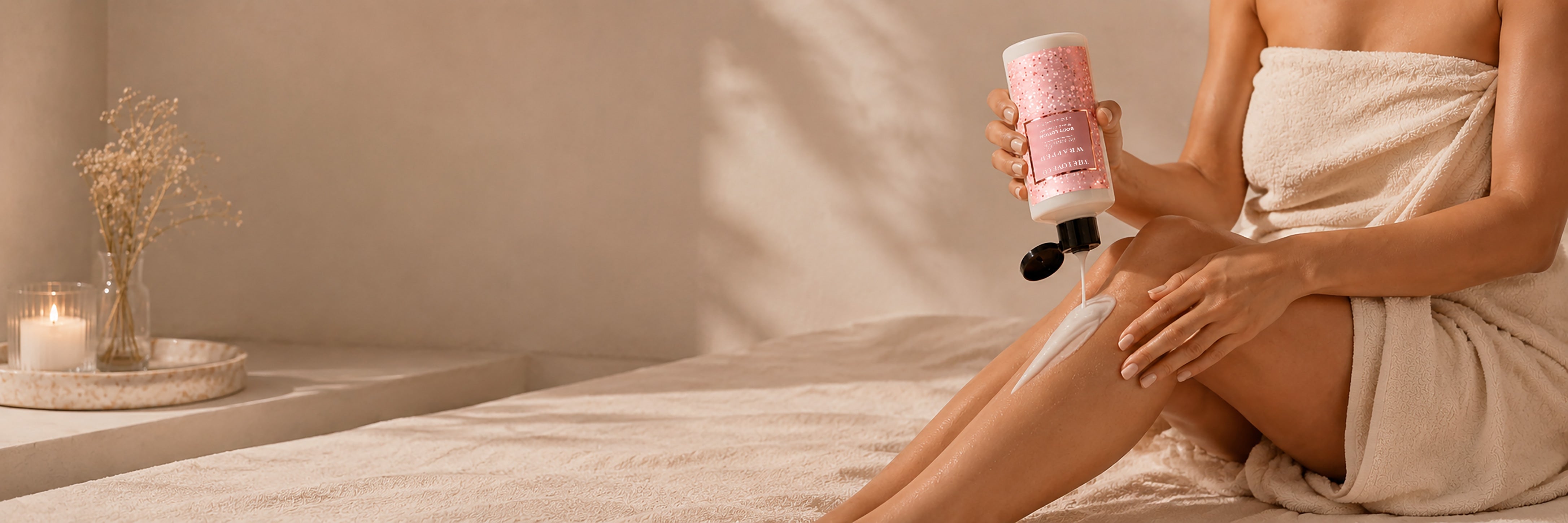
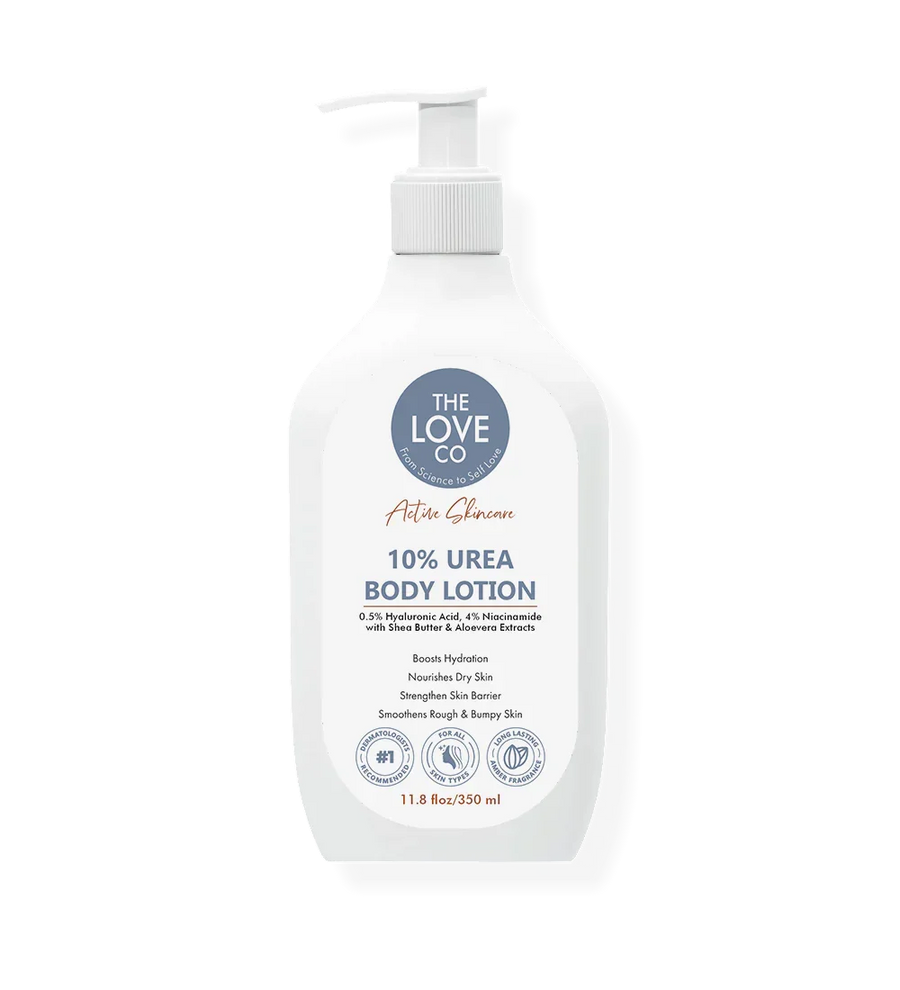
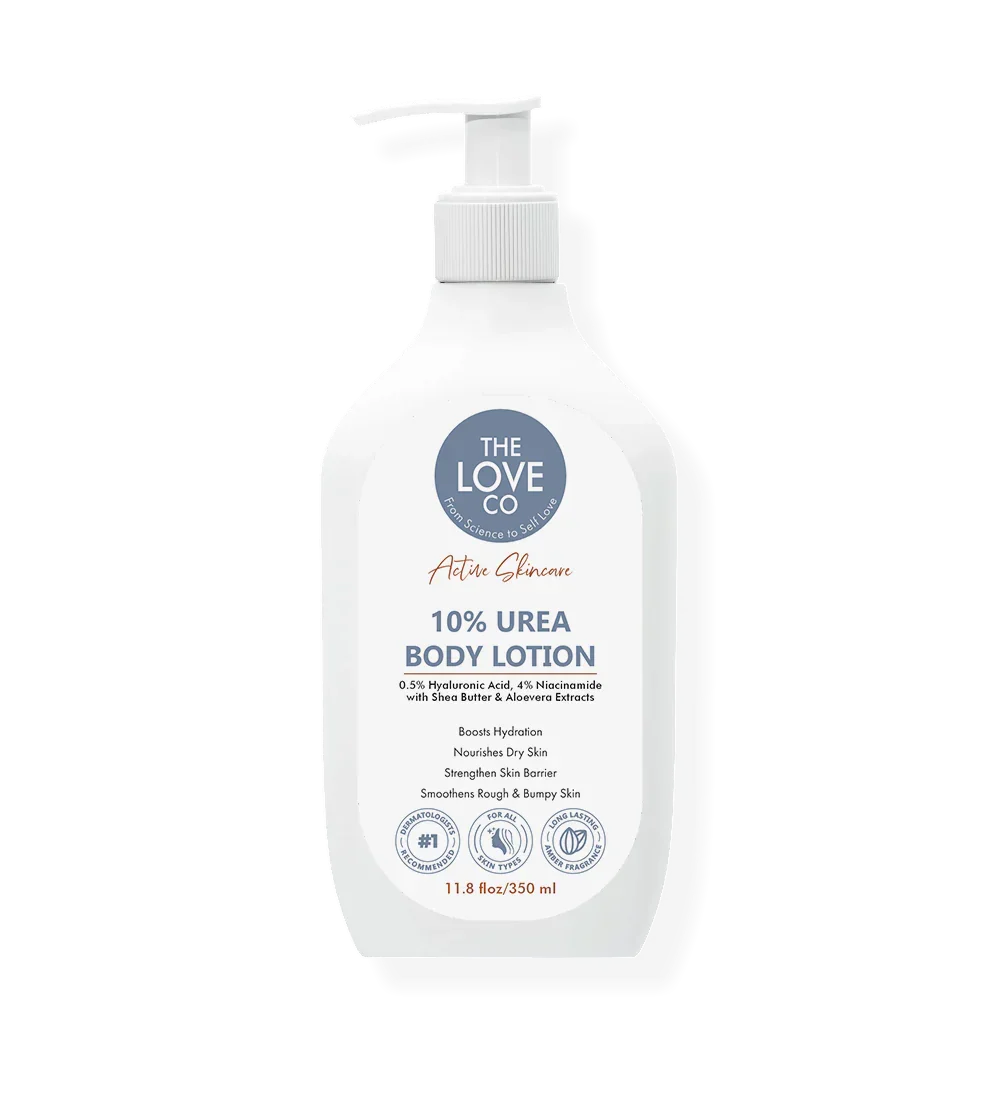
This is exactly where urea earns its reputation. At a meaningful strength, urea does double duty: it is a humectant that draws and holds water, and it gently helps break down the keratin build-up that defines KP. A daily layer of 10% Urea Body Lotion on the arms and thighs gives those plugged follicles the moisture and softening they have been missing, without the redness that comes from scrubbing.
A simple KP routine that respects your skin
You do not need ten steps. You need two or three, done consistently.
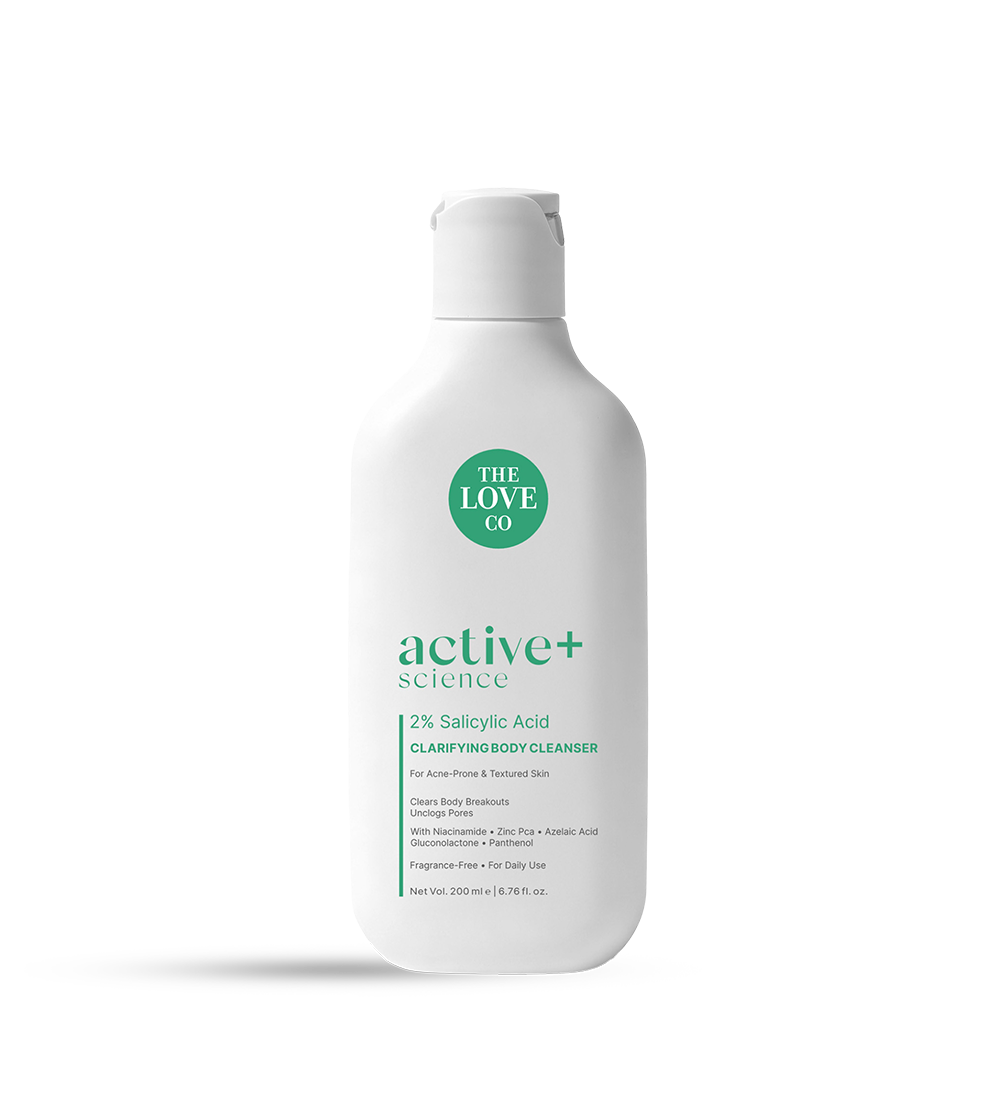
- Cleanse with a chemical exfoliant. Swap your scratchy loofah for an acid-based wash a few times a week. An AHA BHA Body Wash loosens the keratin in the shower so you are not relying on friction.
- Moisturise while skin is still damp. Pat almost dry, then smooth 10% Urea Body Lotion over the affected areas. Damp skin holds onto humectants far better.
- Repeat daily. The moisture step is the one that quietly does the long work.
Be patient with the timeline. A smoother, softer feel can begin within two to three weeks. The visible KP texture usually takes four to six weeks of steady use to ease. KP is a tendency, not a one-time fix, so the bumps come back when you stop, the same way dry skin comes back. The goal is not to win once. It is to keep your arms in a soft, hydrated state most of the time.
What about the redness and the colour?
For some people, especially on melanin-rich skin, the bigger frustration is not the bumps themselves but the discolouration around them, little dark or pink marks where follicles have been inflamed. The kindest thing you can do is stop the picking and over-scrubbing that drives that inflammation, keep the area hydrated, and let it calm. Texture and tone both settle more when the skin is left to soften rather than fought.
FAQ
Will keratosis pilaris ever go away completely?
For many people it eases a lot with age, and a good routine keeps it soft in the meantime. Think management rather than cure. Consistent hydration and gentle exfoliation make the difference you can feel.
Can I use a urea lotion every day?
Yes. A 10% urea body lotion is designed for daily use on rough, bumpy areas like arms, thighs, elbows and knees. Just avoid applying it to freshly shaved or broken skin until any irritation has settled.
How soon will I see a difference?
A softer feel often starts in two to three weeks. The bumps themselves usually need four to six weeks of regular use to visibly settle.
One day you will reach for your arm out of habit, brace for the rough little field you have known for years, and find skin that simply feels like skin. Smooth, calm, yours. That quiet surprise, the one where you stop checking, is the whole point.
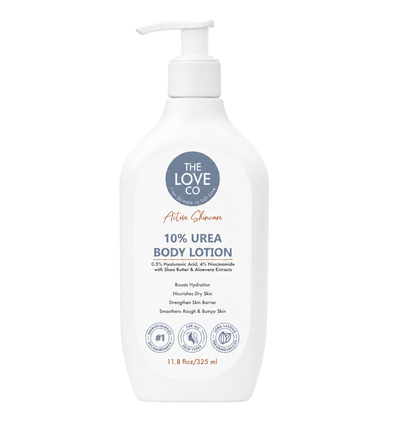
10% Urea Body Lotion
A 10% urea body lotion for KP, strawberry skin, rough patches, calluses, and dry textured body skin. Urea hydrates and gently softens keratin build-up, making it a strong...
A ritual is the smallest love you give yourself, daily.
— Anaya Rao · 06 Jun 2026