It is a Sunday and you are about to step out for a long walk. You reach for sunscreen and pause at the bathroom shelf. There is a small tube for your face and a larger bottle for your body, and a very reasonable voice in your head asks: why do I own two of these? Can I not just slather the body one everywhere, or stretch the face one over my arms, and stop buying duplicates?
It is a fair question, and the answer is more useful than a flat yes or no. The two products overlap in the thing that matters most — sun protection — but they are tuned for very different surfaces, different amounts, and different daily realities. Knowing where they meet and where they part saves you from both wasted money and quiet under-protection.
What they actually share
At the core, a good face sunscreen and a good body SPF lotion are doing the same job: putting a broad-spectrum film between your skin and the sun. Neither is magic, both need to be applied generously, and both wear off and need reapplying during long sun exposure. On the fundamentals, they are siblings.
So the swap is not absurd. In a pinch, a body SPF lotion on your face will protect it, and a face sunscreen on your arms will protect them. Protection is protection. The trouble is never the day you swap once — it is what happens when the swap becomes the routine.
Where a body SPF lotion pulls ahead
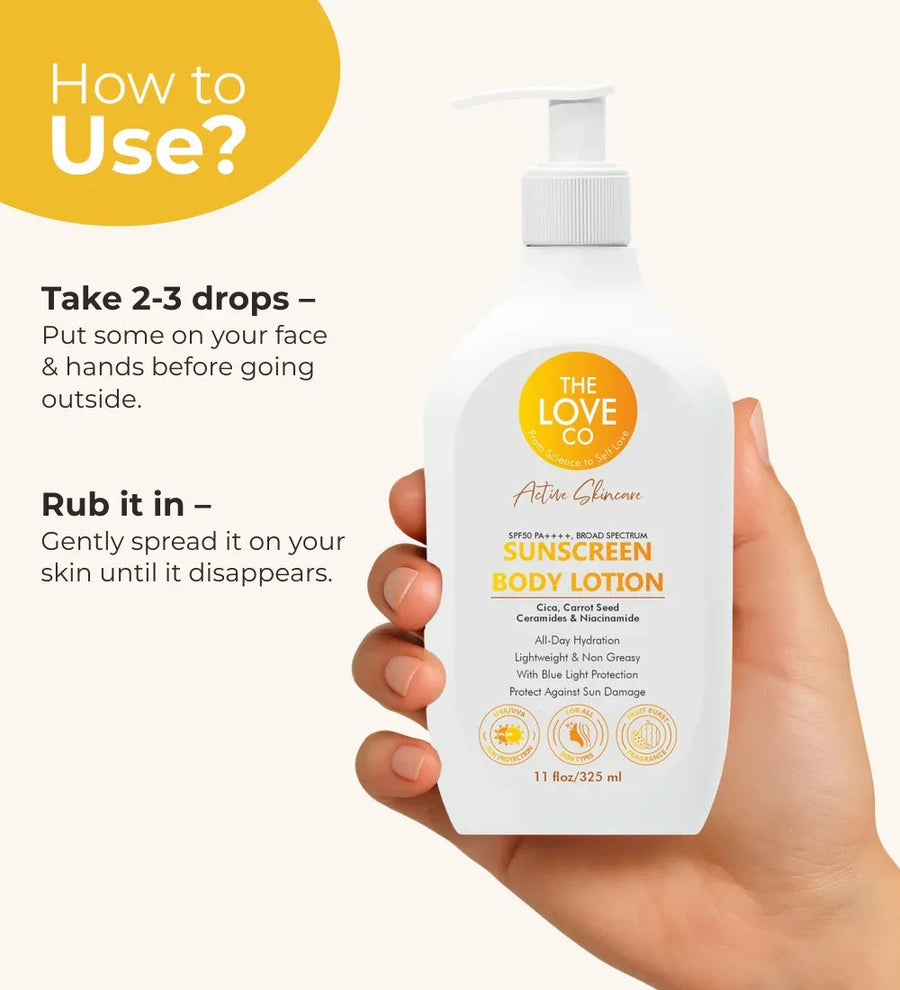
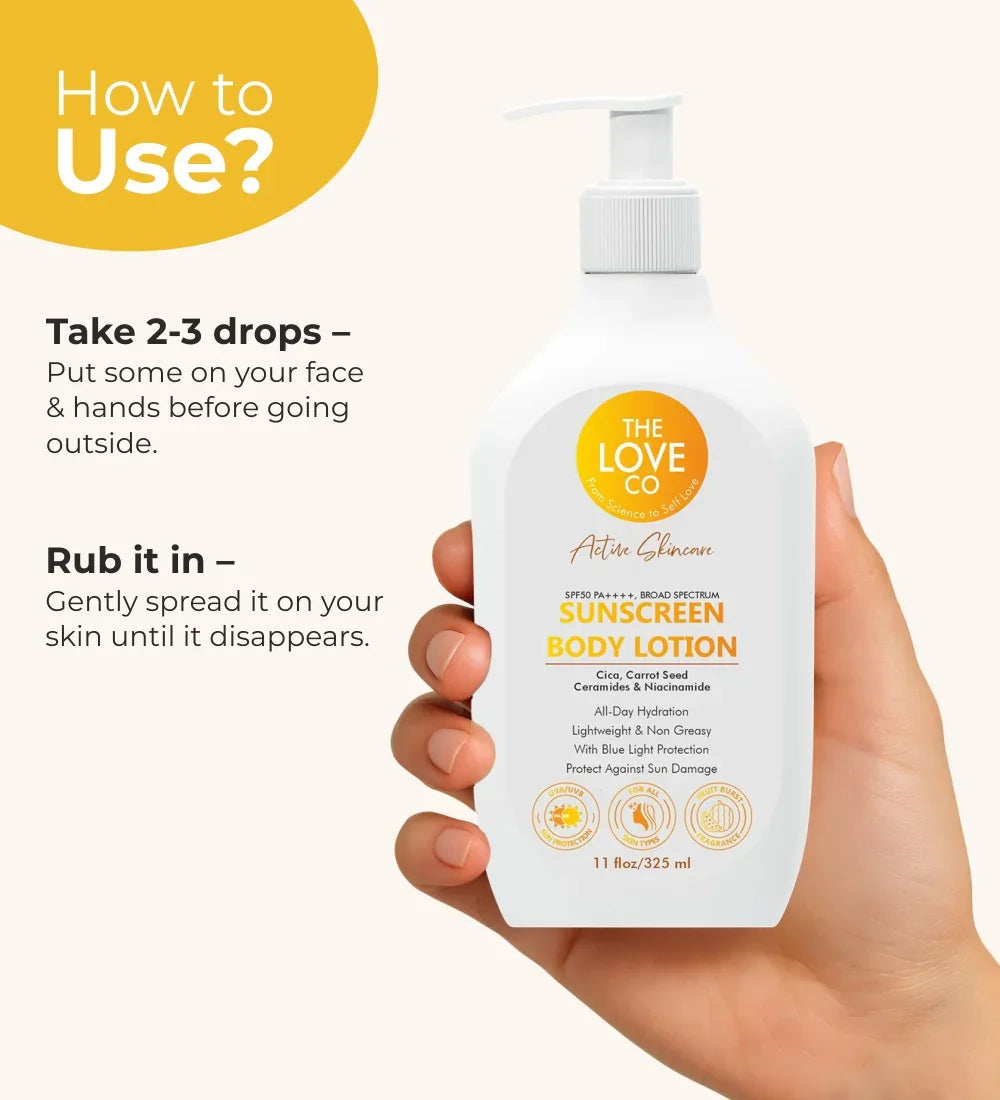
Body lotions like the Active Skincare Sunscreen Body Lotion are built for scale and for skin that is often drier and tougher than the face. That changes a few things:
- Volume: the body needs far more product per use, and a lotion in a generous bottle is made to be applied liberally without you rationing a tiny tube.
- Hydration: a body SPF lotion doubles as moisture for arms and legs that get dry, especially in hard water and dry-season air.
- Finish on large areas: a clear, lightweight, no-white-cast finish on Indian skin tones matters enormously when you are covering two arms and two legs at once, where any ashy film is glaringly obvious.
Stretch a small face sunscreen across your whole body and the real risk is under-application — you ration it thin because the tube is precious, and thin protection is weak protection.
Where a dedicated face sunscreen earns its place
Going the other way has its own catch. Facial skin is thinner, more sensitive, and more prone to breakouts and reactions, so face sunscreens are often formulated lighter and gentler for that specific terrain. A body lotion is not designed around the face's quirks. For an occasional swap it is fine, but if your facial skin is sensitive or acne-prone, a product made for the face is the kinder daily choice.
The honest verdict on swapping
- Body lotion on the face, occasionally: fine in a pinch, especially a lightweight clear-finish one. Watch how sensitive facial skin responds over time.
- Face sunscreen on the body, regularly: the weakest swap, because you almost never apply enough to cover the body properly from a small tube.
- The sustainable answer: let the body lotion own the body — arms, neck, legs, hands — where its volume, hydration, and clear finish actually shine, and keep something face-appropriate for the face.
Used this way, the Active Skincare Sunscreen Body Lotion does the heavy lifting on all the exposed body skin a single tube could never cover well, and it pairs naturally with the rest of a glow-focused routine.
Frequently asked questions
Can I use body sunscreen on my face? Occasionally, yes — it will protect. For daily use, watch how your facial skin reacts, especially if it is sensitive or acne-prone.
Can I use face sunscreen on my whole body? You can, but most people under-apply because the tube is small, which leaves body skin under-protected. A dedicated body lotion is the more reliable choice.
Do I really need both? If your face is fuss-free, you can lean on a good body lotion for most things. Most people find life easier giving the body its own generous lotion and the face its own product.
The point of sorting this out is not to make you buy more — it is to make sure the skin that gets the most sun gets the most protection. Match the product to the surface, apply it like you mean it, and you walk out covered head to toe without overthinking a single bottle. That ease, that head-to-toe certainty, is the whole reward.
Daily Dose Body Sunscreen SPF 50
A broad-spectrum body sunscreen lotion with a clear, lightweight finish. Designed for Indian skin tones, daily body SPF use, and glow-supporting skincare benefits without a sticky white cast....
A ritual is the smallest love you give yourself, daily.
— Meher Kapoor · 06 Jun 2026