The word lands with a thud. Urea. It sounds like something from a chemistry exam, or worse, something you would rather not associate with your skincare shelf. So when you turn over a body lotion and read 10% urea on the label, the instinct is to flinch a little. What is that doing in something you smooth onto your arms every morning?
Here is the gentle surprise: urea is one of the most thoughtful, hard-working ingredients you can put on dry, rough, bumpy skin. And it has been quietly living in your own body this whole time.
Urea is already part of your skin
Your skin makes its own urea. It is one of the components of what dermatologists call the natural moisturising factor, the built-in cocktail of molecules in your outer skin layer that grabs water from the air and holds it in place. When your skin is healthy and hydrated, this system hums along. When it is dry, stripped by hot water, or simply struggling against air-conditioning and a harsh climate, those natural levels drop and the skin loses its grip on moisture.
So a urea lotion is not introducing something foreign. It is topping up a molecule your skin already relies on. That is a very different thing from coating skin in something it has to tolerate.
What urea actually does: two jobs, not one
This is the part people get wrong. They assume urea is just another moisturiser. It is, but it is also something more interesting, and the strength on the label changes the story.
- As a humectant, urea pulls water into the upper layers of the skin and holds it there. This is the hydration job, and it happens at almost any concentration. It is why even gentle lotions include a touch of urea.
- As a keratolytic, at higher strengths urea also helps loosen and soften hardened, built-up keratin, the tough protein that makes skin feel rough, scaly, or bumpy. This is the texture job, and it is the reason urea is the hero ingredient for rough patches.
At 10%, urea sits in a sweet spot, hydrating enough for daily comfort while also gently softening the keratin that causes texture. That dual action is exactly why 10% Urea Body Lotion is built for the parts of the body that stay stubbornly rough no matter how much ordinary lotion you use.
Why it works where regular lotion gives up
Most body lotions are built to sit on the surface and feel nice. They soften the very top of the skin and fade by mid-afternoon. That is fine for skin that is simply a bit thirsty. It is not enough for skin with a real texture problem, the kind you get with keratosis pilaris, strawberry skin after shaving, callused heels, or crusty, dry elbows and knees.
Those areas are not just dry. They have a layer of hardened keratin that ordinary moisture cannot get through. Urea works because it does both jobs at once: it softens that built-up layer while drawing water in underneath it. The result is skin that feels genuinely smoother, not just temporarily slick.
Where urea earns its keep on the body
If you want to know where to put a urea lotion, follow the rough spots:
- The backs of the upper arms, home to most keratosis pilaris.
- Thighs, especially the strawberry-skin texture that shows up after shaving.
- Elbows and knees, where skin thickens and dries.
- Heels and callused feet that crack in dry weather.
- Any patch that stays rough long after you have moisturised everywhere else.
Smooth 10% Urea Body Lotion onto these areas daily, ideally right after a shower while the skin is still a little damp, and let it do its slow, quiet work. A softer feel can begin within two to three weeks. Deeper texture, like KP, usually takes four to six.
A note on using it well
Urea is generous, but it works best with a few simple habits. Apply it to slightly damp skin so it has water to lock in. Pair it with a chemical exfoliant rather than a harsh scrub, since exfoliating washes clear the way and urea finishes the job. And give freshly shaved or irritated skin a beat to settle before you apply, so you are softening calm skin rather than stinging raw skin.
FAQ
Is urea safe for daily use?
Yes. A 10% urea body lotion is made for daily application on dry, rough or bumpy areas. The main caution is to avoid putting it on freshly shaved or broken skin until any irritation calms down.
Does urea exfoliate the skin?
At higher strengths it helps soften and loosen hardened keratin, which is a gentle form of chemical softening rather than physical scrubbing. That is what makes it so useful for rough texture.
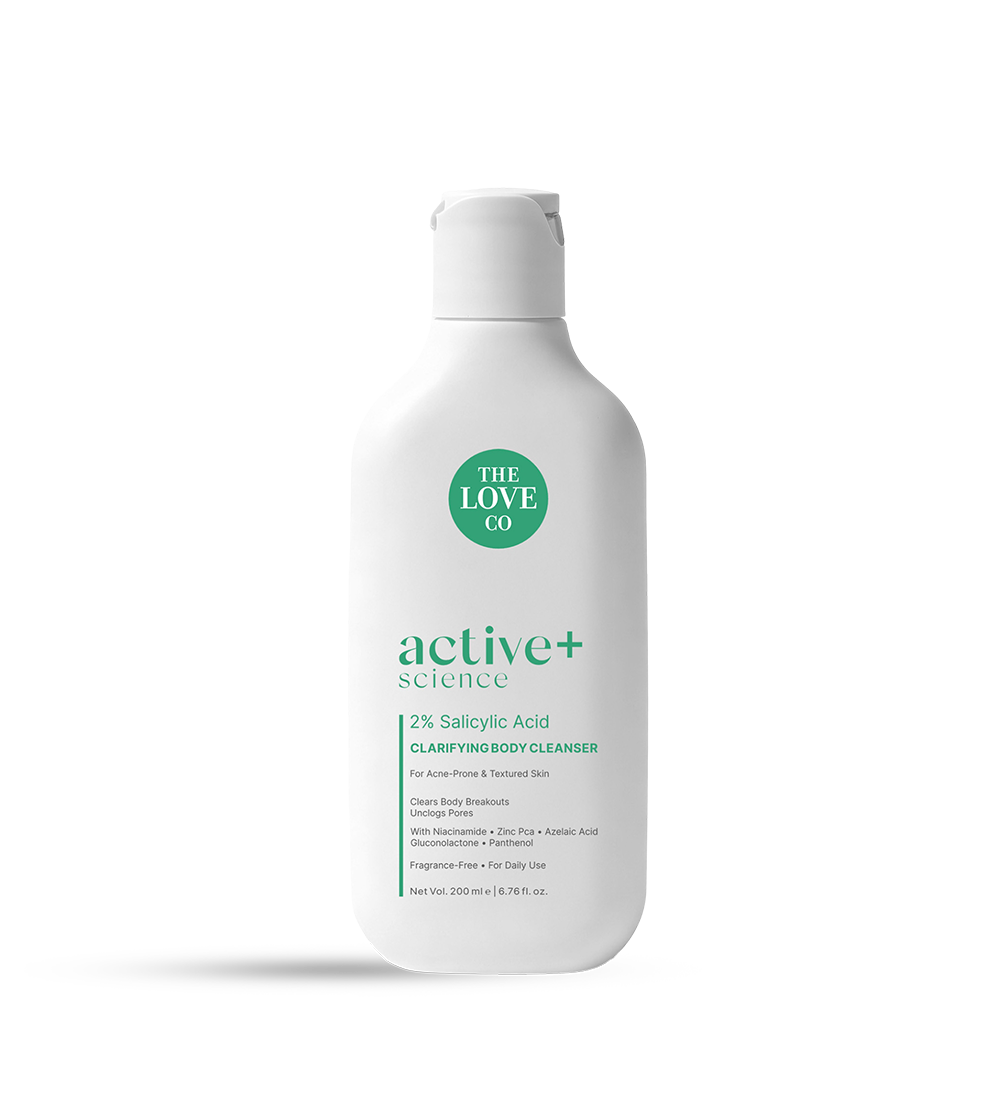
Can I use urea lotion with an acid body wash?
Absolutely, and they make a strong pair. An exfoliating wash loosens dead skin in the shower, and a urea lotion hydrates and softens afterwards.
So the next time you read urea on a label and hesitate, remember it is not a chemistry-class intruder. It is a molecule your skin already trusts, given back to you at a strength that turns rough into soft. The flinch becomes a quiet thank-you, somewhere around week three, when your elbows stop catching on your sleeves.
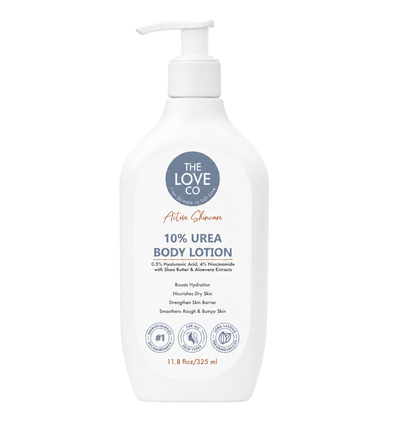
10% Urea Body Lotion
A 10% urea body lotion for KP, strawberry skin, rough patches, calluses, and dry textured body skin. Urea hydrates and gently softens keratin build-up, making it a strong...
A ritual is the smallest love you give yourself, daily.
— Anaya Rao · 06 Jun 2026