

It is a cool, dry evening and you run your hand over your arm and feel that familiar roughness. The question arrives almost automatically: is this just the weather drying me out, or is it those bumps again? The two can feel maddeningly similar under your fingertips, a little rough, a little uneven, a little not-smooth. But they are not the same thing, and treating one as if it were the other is why people spend months frustrated, slathering on rich cream for a problem that needed something else entirely.
So let us separate them properly. Once you can tell winter dryness from keratosis pilaris, you stop guessing and start actually fixing the right thing.
What winter-dry skin feels like
Dry skin is a moisture problem. When the air loses humidity, when you take long hot showers to fight the chill, or when you sit under heating, your skin loses water faster than it can hold it. The result is a particular kind of rough:
- It feels tight, especially after a shower.
- It can look dull, flaky, or finely scaly.
- The roughness is usually fairly even across an area, not made of distinct bumps.
- It often itches.
- It improves noticeably, sometimes quickly, when you moisturise well.
The tell-tale sign of dryness is that it responds. Moisturise consistently and seasonal dry skin softens and calms within days. It is the skin asking for water, and once you give it enough, it settles.
What KP-rough skin feels like
Keratosis pilaris is a keratin problem, not just a moisture one. The skin overproduces keratin, which plugs the hair follicles and creates small, distinct, raised bumps. KP has its own signature:
- You can feel individual little bumps, like permanent goosebumps, rather than a flat rough sheet.
- It clusters in specific spots: the backs of the upper arms, the thighs, sometimes the cheeks or buttocks.
- The bumps may have a pink or, on melanin-rich skin, a darker tone around them.
- It is there year-round, though it often worsens in cold, dry weather.
- It does not fully resolve with moisturiser alone, because moisture does not clear the keratin plugs.
The tell-tale sign of KP is persistence. It does not vanish when you hydrate. It needs the keratin softened, not just the surface wetted.
A quick way to tell them apart
Ask yourself three things:
- Bumps or sheet? Distinct little raised bumps point to KP. An even, flat roughness points to dryness.
- Where is it? Concentrated on the backs of the arms and thighs suggests KP. Spread across shins, forearms and anywhere exposed suggests dryness.
- Does moisturiser fix it? If a few days of good lotion smooths it out, it was dryness. If it stays bumpy no matter how much you moisturise, it is KP.
And yes, you can absolutely have both at once, which is common in winter when cold air dries the skin and aggravates the KP underneath. The good news is that the right approach overlaps.
How to treat winter dryness
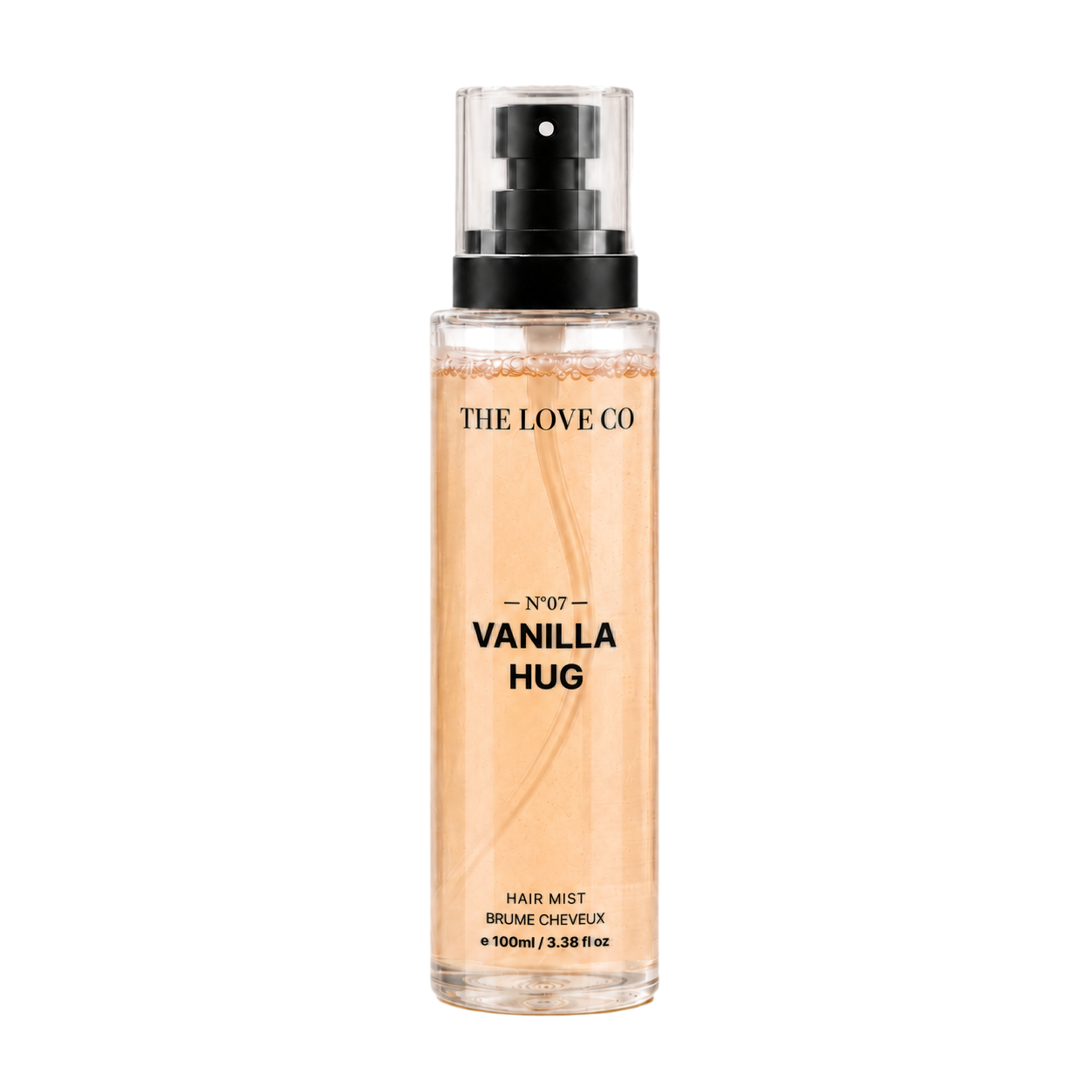
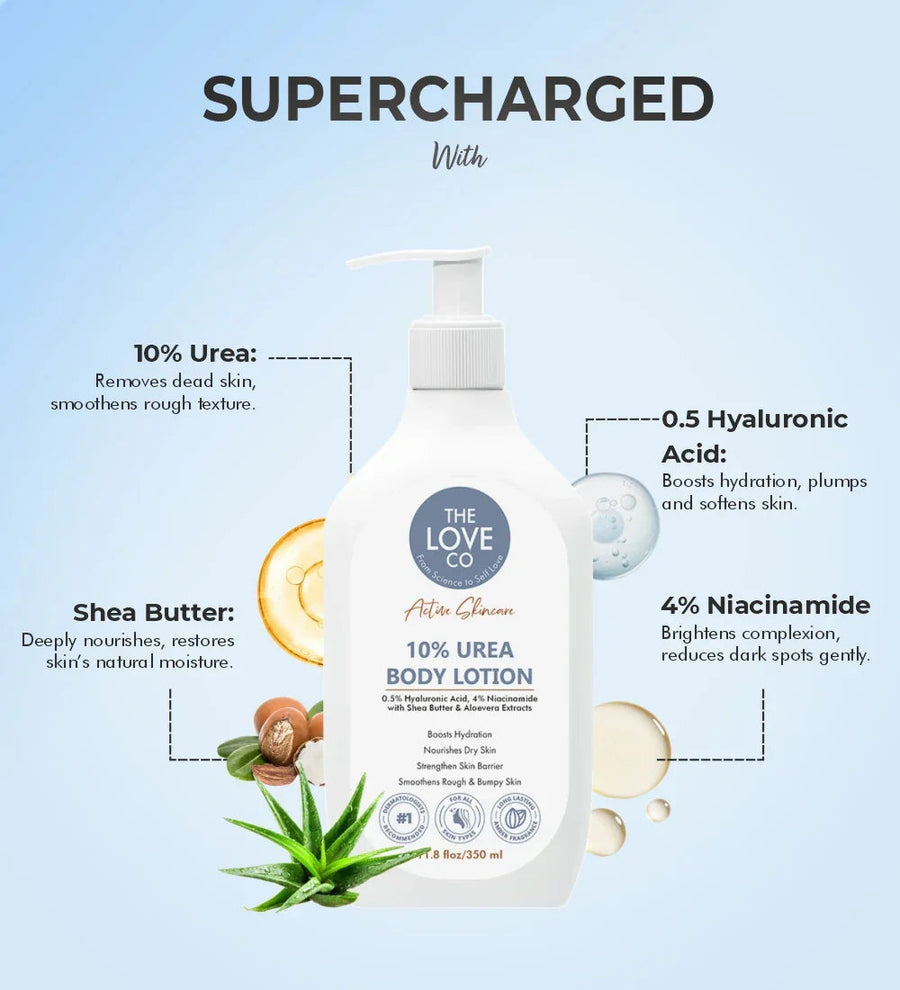
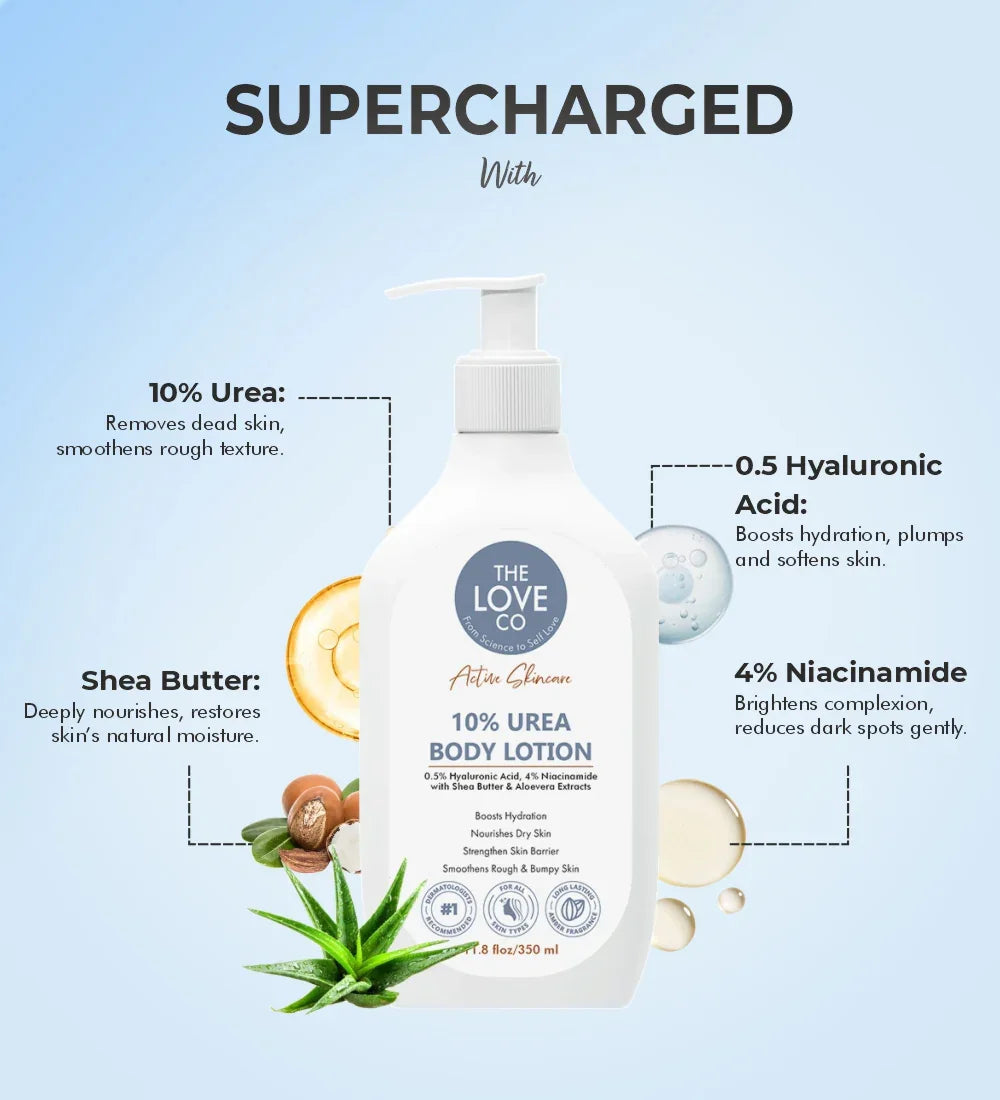
Dryness wants water and a way to hold it. Shorten and cool down your showers, and moisturise generously while the skin is still damp so it traps the water. A humectant-rich lotion is ideal because it draws moisture in. Even here, urea is a quiet ally: as a humectant it pulls water into the skin, so 10% Urea Body Lotion hydrates dry winter skin while also softening any rough patches lurking underneath. For pure seasonal dryness, the relief comes fast.
How to treat KP roughness
KP needs two moves, not one. You have to gently clear the keratin and keep the skin softened.
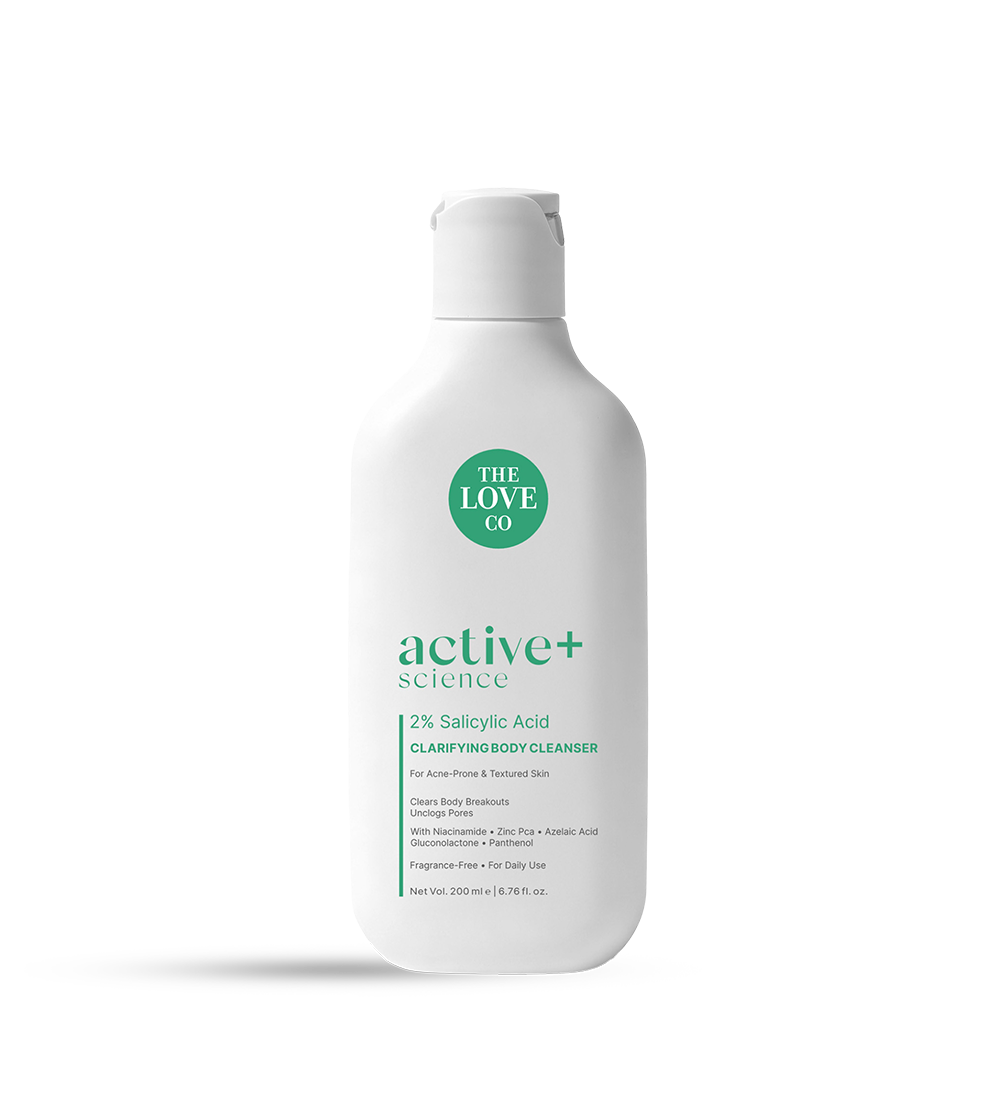
- Exfoliate chemically, not with a harsh scrub. An AHA BHA Body Wash loosens the keratin plugs in the shower without the irritation friction causes.
- Soften and hydrate daily with a urea lotion. This is where urea's second job matters: at 10% it helps soften built-up keratin while it hydrates, so 10% Urea Body Lotion works on the cause of the bumps, not just the dryness around them.
Apply daily to arms, thighs, elbows and knees after showering. A smoother feel can begin in two to three weeks; the KP texture itself usually needs four to six weeks of steady care. Unlike seasonal dryness, KP is a tendency that comes back when you stop, so the routine is something you keep, not something you finish.
When the seasons do both at once
If winter has dried you out and stirred up your KP together, you do not need two separate regimens. Exfoliate a few times a week to handle the keratin, and moisturise daily with a urea lotion to cover both the dryness and the texture. One pairing, both problems. Just hold off on applying actives to freshly shaved or irritated skin until it has calmed.
FAQ
Can dry skin turn into keratosis pilaris?
No, they are different conditions, but dry weather can make existing KP look and feel worse. That is why cold months often bring both at once.
Will a urea lotion help with both?
Yes. Urea hydrates dry skin as a humectant and softens keratin build-up at higher strengths, so a 10% urea lotion is useful whether your roughness is dryness, KP, or a mix of the two.
How do I know if my routine is working?
Dryness should ease within days of consistent moisturising. KP is slower, with a softer feel in two to three weeks and visible texture change usually around four to six weeks.
The relief of finally knowing what you are dealing with is its own small comfort. No more guessing, no more blaming the weather for something that needed a steadier hand, or fighting bumps with a cream that was never going to reach them. Just the right care, the right rhythm, and skin that slowly, surely, learns to feel soft again.
10% Urea Body Lotion
A 10% urea body lotion for KP, strawberry skin, rough patches, calluses, and dry textured body skin. Urea hydrates and gently softens keratin build-up, making it a strong...
A ritual is the smallest love you give yourself, daily.
— Anaya Rao · 06 Jun 2026