Absolute
ExtractionA highly concentrated aromatic oil pulled from flowers using solvents rather than steam. Used when a bloom — like jasmine or tuberose — is too delicate to survive distillation.
Shop by Concern ›
Shop by Concern ›
Shop: Body ›
Shop: Bath & Shower ›
Shop: Body Care ›
Shop: Hair ›
Shop: Hands ›
Shop: Sunscreen ›
Shop: Men ›
Shop by Concern ›
Shop: Fragrance ›
Fragrance Worlds
Shop: Hair Mists ›
Shop: Body Mists ›
Shop: Eau de Parfum ›
Shop: Candles & Diffusers ›
Shop: Room Sprays ›
Shop: Floral World ›
Shop: Woody & Oriental ›
Shop: Warm & Sweet ›
Shop by Occasion ›
Shop: Gifts ›
Gift Finder
Shop: For Her ›
Shop: For Him ›
Shop: Wedding ›
Shop: Festive / Diwali ›
Shop: Anniversary ›
Shop: Birthday ›
Shop: Corporate Gifting ›
Shop: Gifts Under ₹699 ›
Shop: Gifts Under ₹999 ›
Shop: Mini Discovery ›
Shop: About ›
Our Story
Connect
Body Lotion
Shop allBody Mist
Shop allHands
Shop allBody Acne
Shop allBody Scrub
Shop allMinis & Travel
Shop allShop by concern
All concernsHair Mists
Shop allBody Mist
Shop allEau de Parfum
Shop allCandles & Diffusers
Shop allRoom Sprays
Shop allShop by occasion
All occasionsShop by Concern
trending products
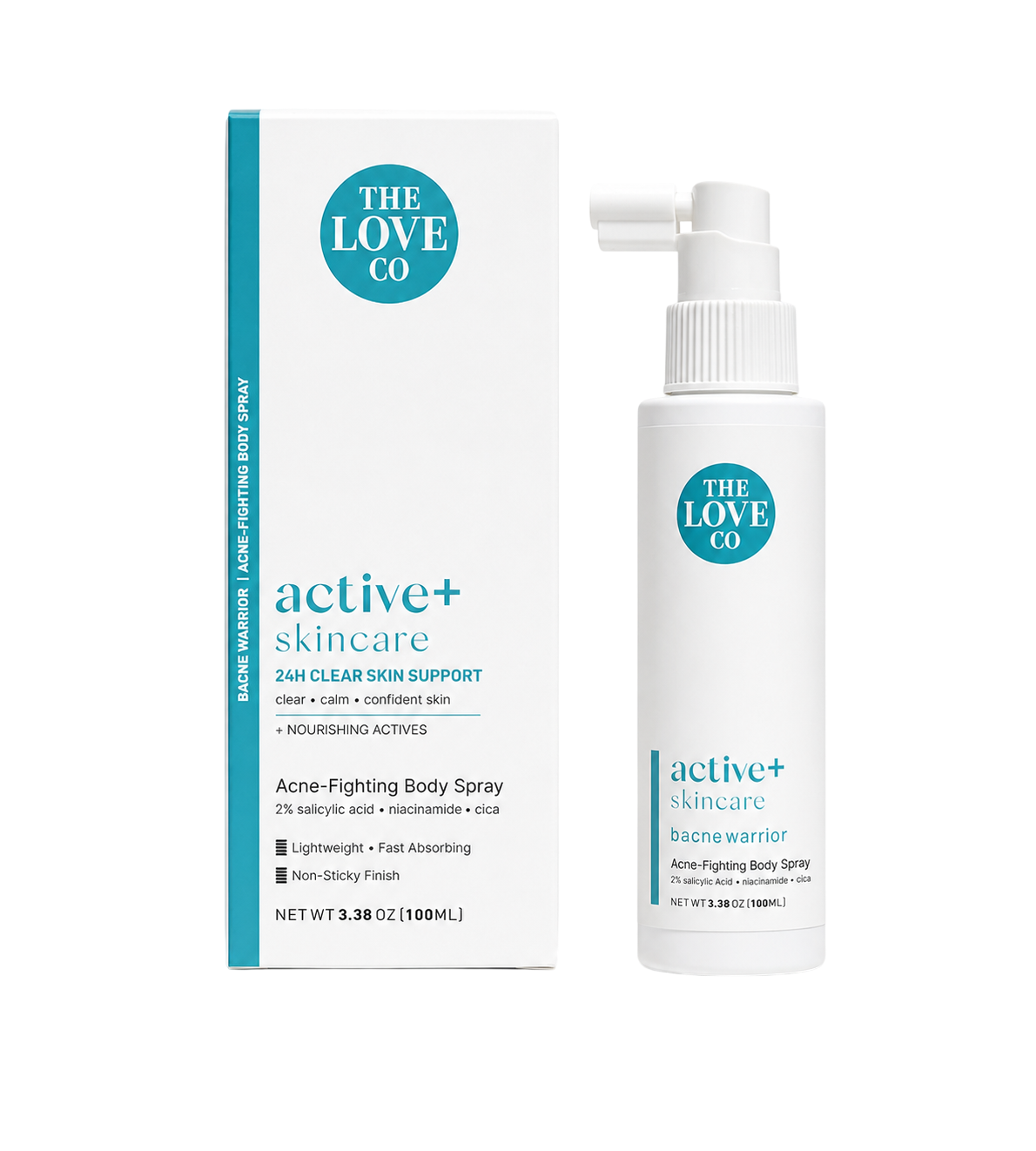
Targets body acne · India-made · body-first
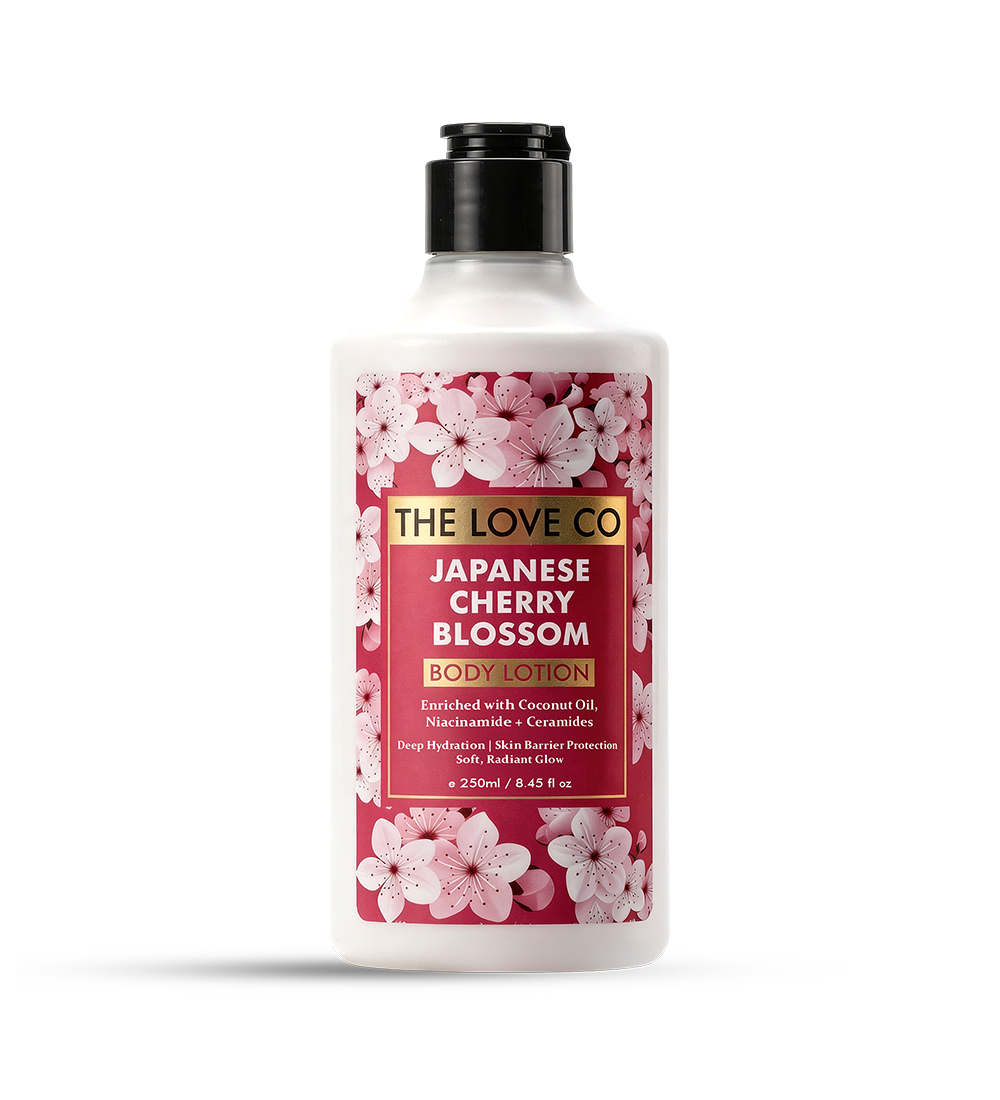
Soft sakura petals · body lotion · softens and layers
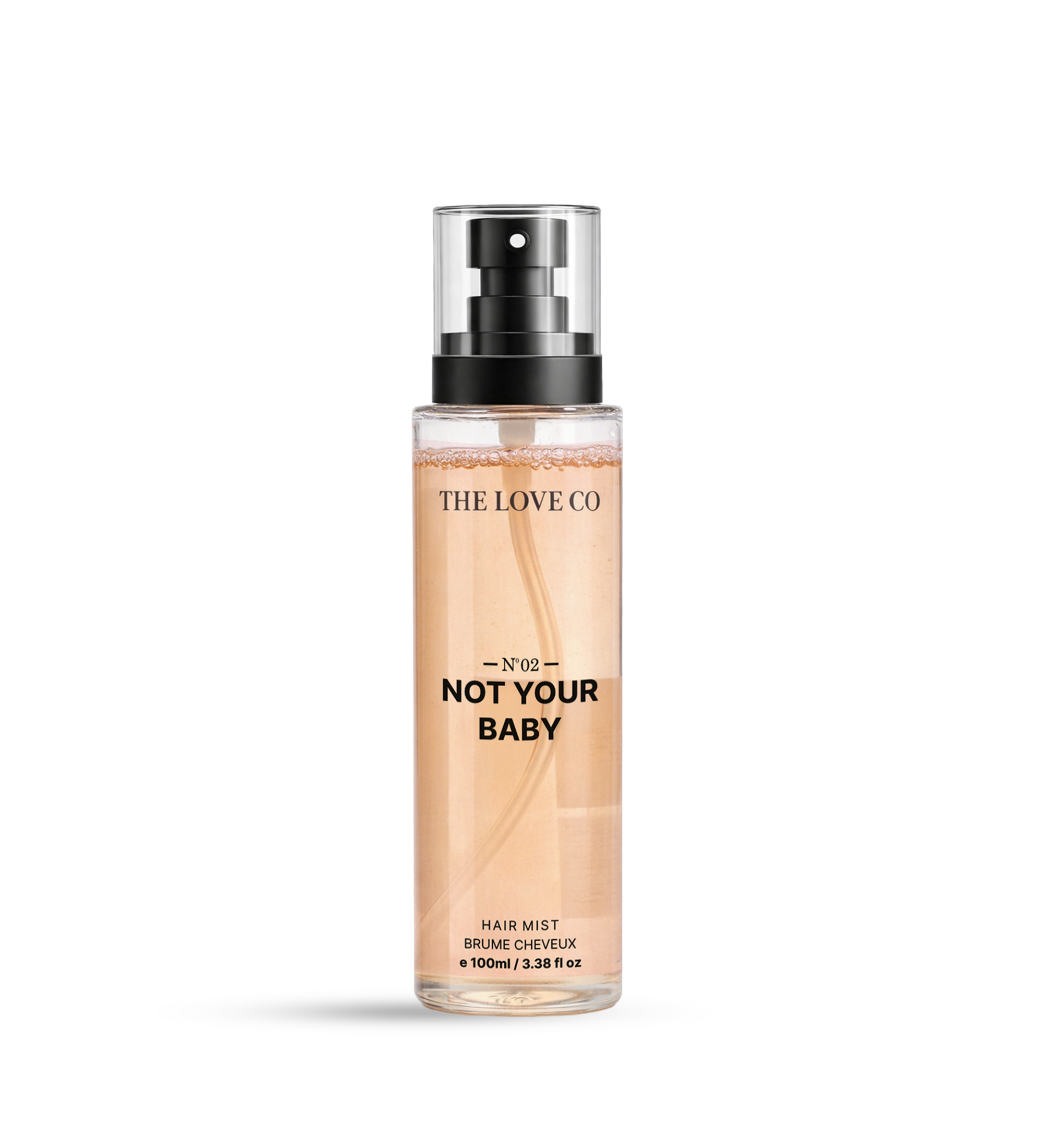
soft hair scent · close-contact trail
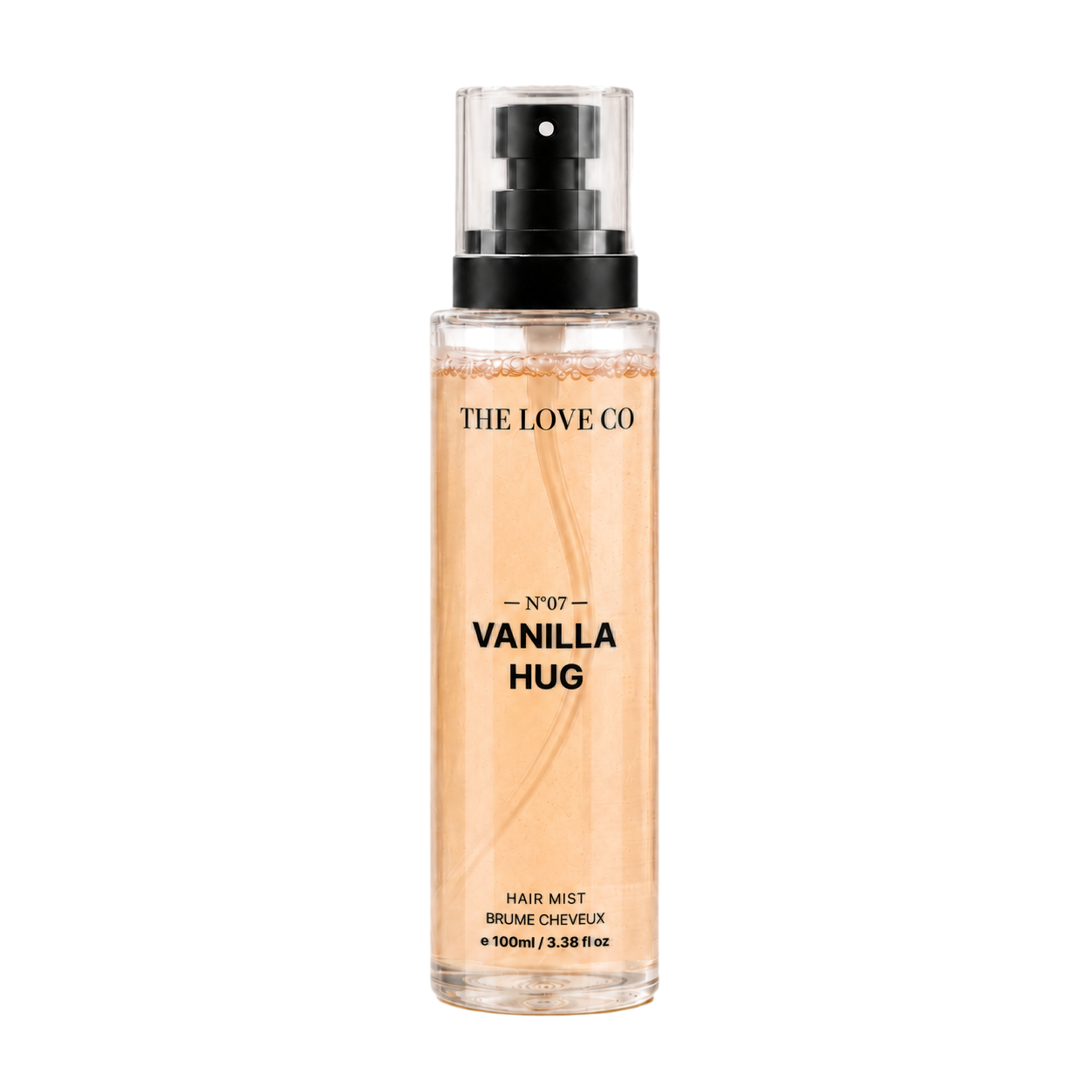
Warm vanilla · soft hair scent · close-contact trail
The Language · A — Z
Every word on the bottle, explained.
Sillage, accord, EDP, drydown. The vocabulary of fragrance can feel like a closed door. Here it is in plain words — so you can read a scent the way a perfumer does.
A highly concentrated aromatic oil pulled from flowers using solvents rather than steam. Used when a bloom — like jasmine or tuberose — is too delicate to survive distillation.
Several notes blended so well they read as one new smell — the way chords work in music. "Amber" and "leather" are accords, not single ingredients.
A warm, skin-close, slightly raw character — historically from animal materials, today recreated synthetically. In small doses it makes a scent feel sensual and alive.
The heaviest, slowest, longest-lasting notes — woods, musks, amber, vanilla. They're the foundation that holds everything else and the part that lingers on skin for hours.
Pronounced "sheep-ruh." A family built on a contrast of bright citrus top and a mossy, woody, patchouli-and-oakmoss base. Named after the island of Cyprus.
A solid, waxy paste extracted from plant material with solvents. It's the in-between step that's later refined into an absolute.
How much fragrance oil a formula holds, versus alcohol and water. More oil generally means richer scent and longer wear — the ladder runs Cologne → Toilette → Parfum → Extrait.
The classic way to capture scent: steam is passed through plant material, lifting its aromatic oils, which are then cooled and separated from the water. Yields an essential oil.
The final phase of a fragrance, hours in, once the top and heart have faded and the base settles into your skin. Often the truest, most personal part of a scent.
The lightest concentration, roughly 2–5% fragrance oil. Fresh, bright and fleeting — made to be splashed on generously.
Around 5–15% oil. Lighter and more wearable for everyday — a soft, refreshable trail rather than a statement.
Roughly 15–20% oil — the modern sweet spot. Rich and long-wearing without tipping into heavy. Most signature perfumes live here.
The concentrated aromatic oil of a plant, usually obtained by steam distillation or cold-pressing. The raw, natural scent of the source material.
A material that slows evaporation so a fragrance lasts and its lighter notes hold. Musks, ambers and resins are classic fixatives.
Pronounced "foo-zhair," French for fern. An aromatic family built from lavender, oakmoss and coumarin — fresh, herbal and clean.
Scents that smell good enough to eat — vanilla, caramel, chocolate, coffee, praline. Warm, comforting and addictive without being literal dessert.
A technique that captures the scent molecules in the air around a living flower or object, then reconstructs them — so perfumers can bottle smells nothing could otherwise yield.
Also called middle notes. The character of a fragrance — usually its florals and spices — that emerges once the tops fade and defines how the scent is remembered.
Letting a finished perfume rest and "marry" for weeks after blending, so the materials settle into each other — much like resting a curry or a wine.
A single smell you can pick out in a fragrance — rose, bergamot, vanilla. Notes are grouped into top, heart and base, the three acts of a scent.
The system that sorts every fragrance by its dominant character — floral, woody, citrus, amber and so on. The map that helps you find scents you'll love. See the families →
The most concentrated form, often 20–40% oil. Worn in tiny amounts; deep, intimate and very long-lasting.
How far a fragrance radiates from your skin — its "bubble." High projection fills a room; low projection stays close, just for you and whoever leans in.
A thick, aromatic material extracted from natural resins like benzoin or labdanum. Warm and balsamic — and a natural fixative.
Pronounced "see-yazh." The scented trail you leave behind in a room. The reason someone turns, a beat after you've passed, to ask what you're wearing.
Using a solvent to coax scent from materials too fragile for heat. The route from delicate flower to concrete to absolute.
A scent material made in a lab rather than extracted from nature. Modern, safe synthetics let perfumers protect endangered species, control allergens and create notes nature never offered.
The lightest, fastest notes — the first thing you smell and the first to fade. Usually citrus and fresh accords. The opening line of a fragrance.
No term by that name yet — try a shorter search, or write to us and we'll add it.
Four ways to understand what you wear. Browse the building blocks, learn the language, find your family.
What's Inside
How to read a fragrance label, and what we will — and won't — put in the bottle.
The Palette
Oud, rose, amber, musk and more — the materials a perfume is built from, A to Z.
The Language
Sillage, accord, EDP, drydown — every word you've seen on a bottle, explained.
The Map
Floral, woody, amber, fresh — the eight families, and the TLC scents in each.
You can read a scent now
The words make sense. The next step is the one only your skin can take. Find the family you keep coming back to.
Explore the families Find your fragrance