Aldehydes
SyntheticAroma chemicals that "lift" a fragrance and make florals feel airy and luminous. Famously used in the great aldehydic florals of the early 20th century — clean, abstract, slightly metallic.
Shop by Concern ›
Shop by Concern ›
Shop: Body ›
Shop: Bath & Shower ›
Shop: Body Care ›
Shop: Hair ›
Shop: Hands ›
Shop: Sunscreen ›
Shop: Men ›
Shop by Concern ›
Shop: Fragrance ›
Fragrance Worlds
Shop: Hair Mists ›
Shop: Body Mists ›
Shop: Eau de Parfum ›
Shop: Candles & Diffusers ›
Shop: Room Sprays ›
Shop: Floral World ›
Shop: Woody & Oriental ›
Shop: Warm & Sweet ›
Shop by Occasion ›
Shop: Gifts ›
Gift Finder
Shop: For Her ›
Shop: For Him ›
Shop: Wedding ›
Shop: Festive / Diwali ›
Shop: Anniversary ›
Shop: Birthday ›
Shop: Corporate Gifting ›
Shop: Gifts Under ₹699 ›
Shop: Gifts Under ₹999 ›
Shop: Mini Discovery ›
Shop: About ›
Our Story
Connect
Body Lotion
Shop allBody Mist
Shop allHands
Shop allBody Acne
Shop allBody Scrub
Shop allMinis & Travel
Shop allShop by concern
All concernsHair Mists
Shop allBody Mist
Shop allEau de Parfum
Shop allCandles & Diffusers
Shop allRoom Sprays
Shop allShop by occasion
All occasionsShop by Concern
trending products
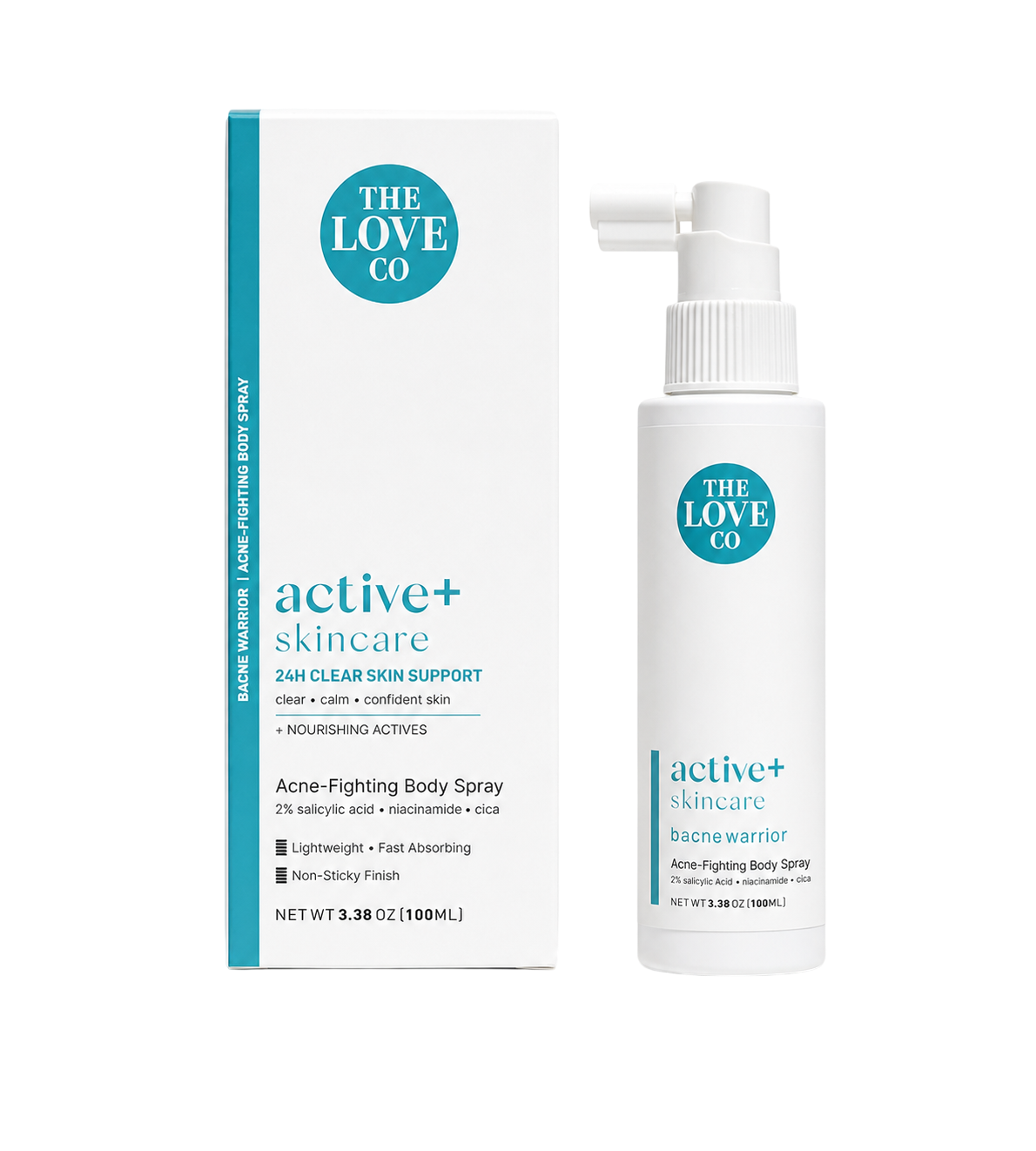
Targets body acne · India-made · body-first
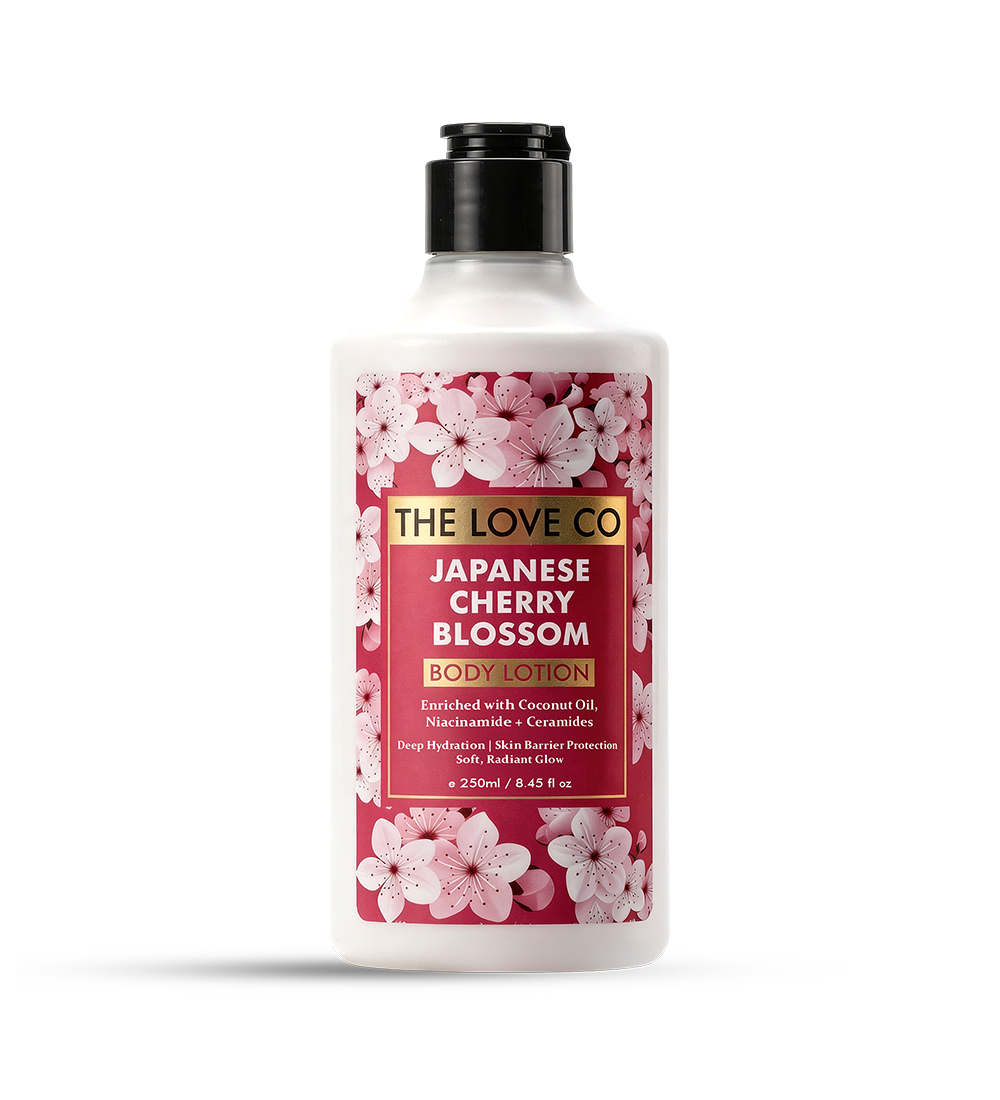
Soft sakura petals · body lotion · softens and layers
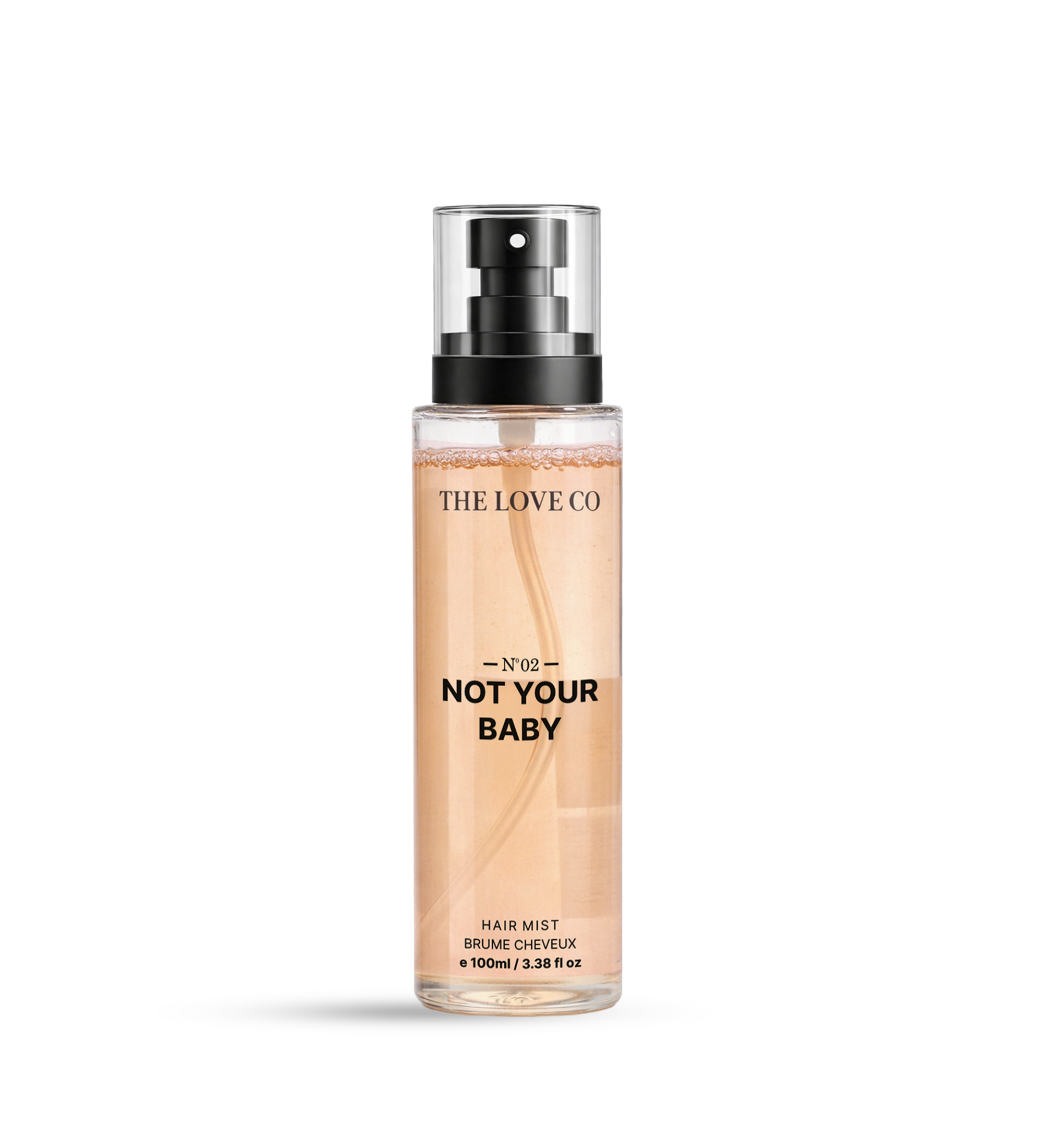
soft hair scent · close-contact trail
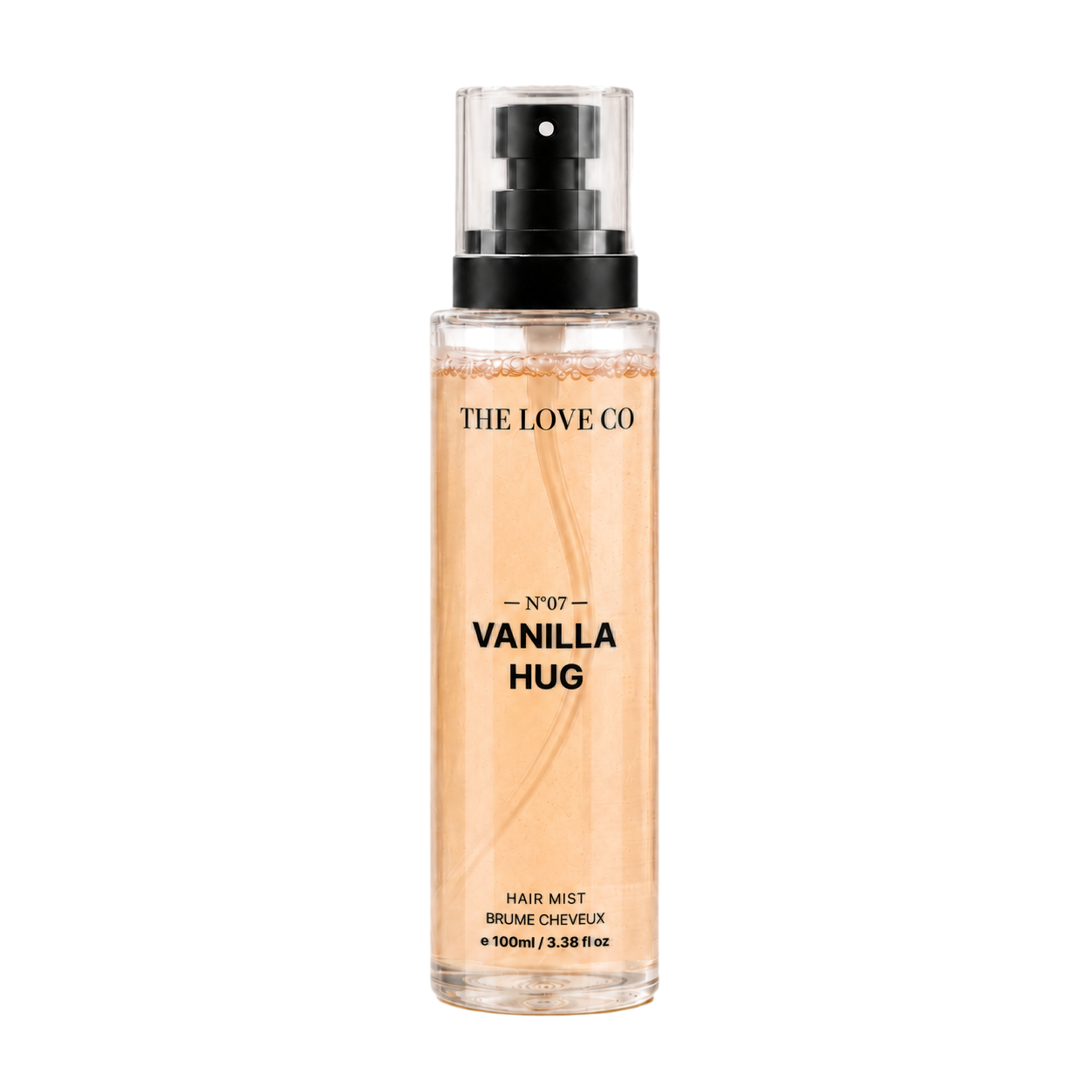
Warm vanilla · soft hair scent · close-contact trail
The Palette · A — Z
The materials a perfume is made of.
Oud, rose, amber, musk, vetiver — the raw materials a perfumer builds with, and what each one actually smells like. Some grown, some grown in a lab, all chosen for a reason.
Aroma chemicals that "lift" a fragrance and make florals feel airy and luminous. Famously used in the great aldehydic florals of the early 20th century — clean, abstract, slightly metallic.
Not a single material but a built accord — usually labdanum, benzoin and vanilla — that gives a fragrance its golden, glowing warmth. The signature of "oriental" and amber-family scents.
Once a rare marine material, today almost always recreated synthetically. It adds a soft, radiant, slightly salty skin-warmth and makes a scent feel like it's coming from you, not the bottle.
A sustainable stand-in for ambergris with an intense woody-amber, almost mineral dryness. The molecule behind that addictive "clean skin, but expensive" trail in many modern perfumes.
The cold-pressed peel of a small Italian citrus. Fresher and more refined than lemon, with a soft floral edge — which is why it opens so many perfumes and almost every Eau de Cologne.
A balsamic resin tapped from the Styrax tree. Soft, sweet and warm like vanilla's cousin — a key building block of amber accords and cosy base notes.
A modern molecule that smells the way cashmere feels — soft, woody, faintly spicy and musky. It rounds a fragrance out and gives the base a plush, blurred warmth.
A dry, clean, sharpened-pencil wood that gives structure and a sense of calm. One of perfumery's most reliable woody backbones — grounding without going heavy.
A warm, biting spice distilled from clove buds. Used in tiny amounts to add heat and an old-world carnation-and-spice character to florals and ambers.
First isolated from tonka bean — a soft note of cut hay, almond and vanilla. The founding note of the fougère family and the warm heart of countless gourmand bases.
Also called olibanum — a resin with a cool, peppery, almost sacred quality. Adds lift and a contemplative, incense-like air to woody and amber compositions.
One of the greenest materials in perfumery — like a snapped stem and crushed leaf. A small dose makes a floral feel fresh and alive; too much and it bites.
A leaf-distilled note that sits between rose and mint. It brings a crisp, slightly masculine freshness and is a classic partner to rose and to fougère hearts.
A landmark molecule that smells of luminous jasmine and fresh citrus. It doesn't shout — it makes everything around it glow, adding transparency and diffusion to a scent.
A soft, powdery note of almond, cherry and vanilla. Comforting and slightly retro — it gives a tender, skin-close sweetness to floral and gourmand blends.
Distilled from aged orris root, not the flower — one of the most expensive materials in perfumery. Cool, powdery and elegant, like the inside of a leather glove and a violet petal.
A near-weightless woody molecule that smells like warm skin under cedar. It blurs edges, extends a scent's trail and is so soft many people barely register it consciously.
Called the queen of flowers — rich, heady and a little animalic up close. It must be solvent-extracted as an absolute, since the petals yield no oil by distillation.
A sticky resin from the cistus rockrose — warm, dark and faintly animalic. The single most important raw material for building amber accords.
Cool, herbaceous and instantly calming. The aromatic spine of the fougère family and a bridge between fresh citrus tops and warm tonka bases.
A built accord rather than one material — often birch tar, styrax and labdanum. It ranges from soft suede to smoky, animalic hide, and anchors the leather family.
Also called muguet. The real flower yields no usable oil, so this tender, dewy, green-floral note is always reconstructed — a triumph of the perfumer's craft.
Historically animal-derived, now made entirely from safe synthetic musks. It adds warmth, sensuality and a "freshly-washed skin" cleanliness — and helps a fragrance linger.
Distilled from bitter-orange blossom — bright, slightly green and honeyed. It bridges citrus and floral, giving an elegant, sunlit freshness.
A lichen with a damp, dark, earthy depth — the defining base of the chypre family. Modern blends use carefully purified versions to meet allergen limits.
Precious resinous wood from the agar tree — deep, complex and prized for centuries across the Middle East and India. Sustainable synthetic ouds now let everyone wear that warmth.
A leaf-distilled note that deepens with age — earthy, slightly sweet and endlessly versatile. The backbone of chypres and a modern partner to fruit and chocolate accords.
The queen of perfumery, mainly Damask and Centifolia. It takes thousands of petals for a few grams of oil — which is why true rose feels so layered, from fresh dew to deep jam.
A spice with a soft, leathery, slightly sweet glow. A small touch makes rose and amber feel rich and modern — central to the contemporary "ambery rose" signature.
A smooth, creamy, almost milky wood with deep Indian heritage. Sustainably farmed and synthetic sandalwoods now protect the wild Mysore trees while keeping that velvet warmth.
A small black bean rich in coumarin — warm, sweet and nutty, like vanilla wearing a wool coat. A favourite for cosy, gourmand and ambery drydowns.
The most opulent of white flowers — creamy, heady, almost fleshy. Unforgettable and unapologetic; a little goes a very long way.
From cured orchid pods — far deeper and smokier than the kitchen version, with rummy, balsamic facets. The heart of gourmand and amber bases, and pure comfort on skin.
Distilled from the roots of a tropical grass — dry, earthy and elegant, with a cool smokiness. A grounding base note that reads sophisticated in any season.
A tropical flower with a rich, custardy, slightly fruity sweetness. It adds body and a sunlit, exotic roundness to white-floral and oriental hearts.
No material by that name yet — try a shorter search, or write to us and we'll add it.
Four ways to understand what you wear. Browse the building blocks, learn the language, find your family.
What's Inside
How to read a fragrance label, and what we will — and won't — put in the bottle.
The Palette
Oud, rose, amber, musk and more — the materials a perfume is built from, A to Z.
The Language
Sillage, accord, EDP, drydown — every word you've seen on a bottle, explained.
The Map
Floral, woody, amber, fresh — the eight families, and the TLC scents in each.
From palette to bottle
You've read the materials. Find the fragrance world that turns them into a feeling — and the trail people remember.
Explore the fragrance library Shop perfume