
AHA body wash is one of the safest active body care products on the market when used correctly. But "safe" doesn't mean "side-effect-free." If you're using AHA wash and experiencing redness, breakouts, or stinging, this guide explains what's normal, what isn't, and when to call a dermatologist.
The three side effects that matter most: irritation, photosensitivity, and what's often mistaken for breakouts but is actually purging. Each has a clear cause, a clear fix, and a clear escalation point.
Side Effect 1: Irritation
Mild stinging on first use is normal. Persistent burning, redness, or visible dry flaking is not. Both come from the same place: the AHA is doing more than your barrier can handle right now.
| Symptom | Normal? | Action |
|---|---|---|
| Brief tingle when wash is on skin | Yes | Continue normally |
| Pink flush after rinsing, fades in 30 min | Yes | Moisturise well, continue |
| Stinging that lasts past the shower | No | Reduce frequency, lower contact time |
| Visible dry patches or flaking | No | Pause AHA for a week, focus on barrier repair |
| Burning, swelling, or rash | No | Stop completely, see a dermatologist |
How to fix mild irritation
- Cut frequency in half. If you were daily, drop to alternate days.
- Reduce contact time. Apply, rinse within 15 to 20 seconds instead of 60.
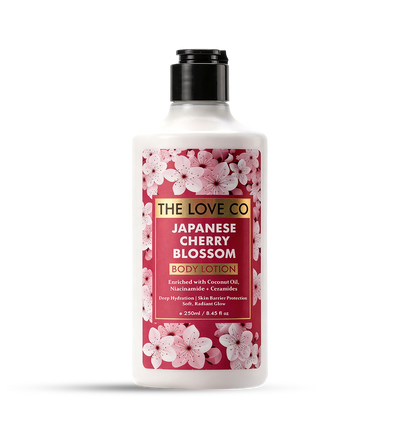
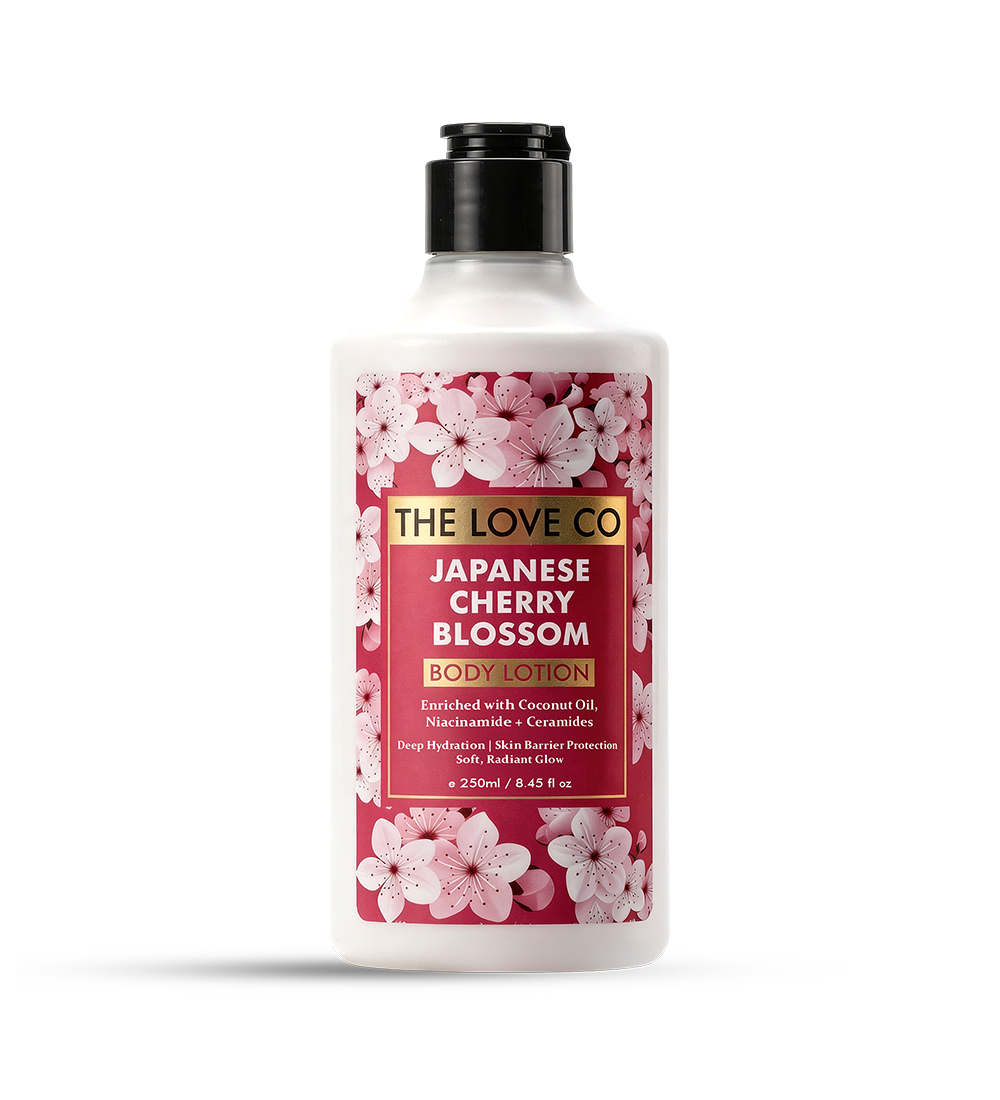
- Add a barrier-repair body lotion (look for ceramides, niacinamide, or panthenol) for the next two weeks.
- Skip other actives. No retinol, no scrubs, no exfoliating tools while you're recovering.
Side Effect 2: Photosensitivity
This is the side effect every AHA user has and almost no one acknowledges. AHA exfoliates the protective dead-cell layer, which means UV reaches your live skin more efficiently. Sun damage and pigmentation happen faster than they would otherwise.
The fix isn't to stop using AHA. It's to use SPF 30+ broad-spectrum body sunscreen every morning during your active AHA period and for one week after you stop.
Signs your photosensitivity is unmanaged:
- New dark patches on AHA-treated areas after sun exposure
- Faster tanning than usual on exposed body
- Fresh sunburn at a UV exposure that didn't burn you previously
If you're seeing any of these, your sunscreen routine is the problem, not the AHA.
Side Effect 3: Purging Mistaken for Breakouts
"Purging" is the temporary surge of breakouts that can happen when an exfoliating active speeds up your skin's cell turnover. Pre-existing clogs that would have surfaced over a few weeks all come up at once.
It's commonly mistaken for a reaction to the product. The difference matters because the response is opposite: with purging, you wait it out. With a true reaction, you stop using.
| Purging | True reaction / breakout | |
|---|---|---|
| Where | Areas you usually break out | Anywhere, including new areas |
| Type | Small pre-existing-style bumps | New cysts, hives, rash, itchy welts |
| Timeline | 2 to 4 weeks, then resolves | Worsens over time |
| Action | Continue, moisturise, sunscreen | Stop, escalate to dermatologist |
How long does purging last?
Two to four weeks at most. If you're past four weeks and still breaking out, it's not purging. Stop and see a dermatologist.
When to Stop Using AHA Body Wash
Stop immediately if:
- You see hives, welts, or itchy raised patches
- Skin is swollen, hot to the touch, or oozing
- Burning continues for more than an hour after rinsing
- Breakouts spread to areas you don't normally break out, after 2+ weeks
- Skin has visible chemical burn (white patches, peeling, severe redness)
These aren't normal side effects. They're either an allergic reaction or product-incompatibility, and they need professional evaluation.
When to Escalate to a Dermatologist
Book a consultation if:
- Side effects don't resolve within a week of stopping the product
- You develop new pigmentation that wasn't there before
- Existing conditions (eczema, KP, psoriasis) flare significantly
- Breakouts persist or worsen past four weeks
- You're unsure whether what you're seeing is purging, reaction, or something else
An Indian dermatologist consultation is rarely a one-time thing. Build the relationship before you need it urgently.
How to Reduce the Risk of Side Effects from Day One
- Patch test. Apply to a small area of inner forearm for 3 nights before using full-body.
- Start slow. 2 to 3 times a week for the first 2 weeks. Build up only if your skin tolerates it.
- Moisturise without exception. Body lotion within 3 minutes of stepping out, every time.
- Sunscreen mornings. SPF 30+ on every exposed body area.
- Don't stack actives. No retinol body lotion, no salicylic body wash, no exfoliating scrubs simultaneously.
- Avoid raw skin. Don't use AHA wash on freshly-shaved areas, broken skin, or active rash.
"Most patients who tell me an AHA body wash 'didn't work for them' actually had one of three things going on: they purged for two weeks and quit, they didn't moisturise so they got irritation and quit, or they skipped sunscreen and saw new pigmentation. The product was fine. The supporting routine wasn't. Side effects are almost always a routine problem, not an ingredient problem."
– Dr. Tanvi Sehgal, Consultant Dermatologist
Frequently Asked Questions
How do I know if I'm having an allergic reaction or normal AHA irritation?
Allergic reactions involve hives, swelling, severe itching, or a spreading rash. Normal irritation is local pinkness or mild stinging that fades within an hour. If unsure, stop and see a dermatologist.
Can AHA body wash cause permanent damage?
Used as directed, no. Misuse (daily on broken skin, no sunscreen, stacking with other acids) can cause long-term hyperpigmentation, especially on Indian skin tones, but the wash itself is not corrosive.
Why do I get more breakouts after starting AHA body wash?
Most likely purging, where existing clogs surface faster. It typically resolves in 2 to 4 weeks. If it lasts longer or appears in new areas, it's not purging and you should stop.
Can I use AHA body wash on sensitive Indian skin?
Yes, but at lower frequency (2 times a week to start) and always with a fragrance-led lotion that supports the barrier. Lactic acid is gentler than glycolic for sensitive skin.
Should I see a dermatologist before starting AHA body wash?
Not necessary for most healthy skin. Recommended if you have eczema, rosacea, psoriasis, KP that hasn't responded to home care, or any history of severe reactions to skincare products.
Use AHA Safely
Choose products formulated to balance exfoliation with barrier support. Browse TLC's exfoliating collection or the wider body wash and shower gel range.
For the foundational guide, read our complete guide to AHA body wash in India. If irritation has left your skin dry and reactive, our best body wash for dry skin in India guide is your reset.
Smart use beats aggressive use, every single time.
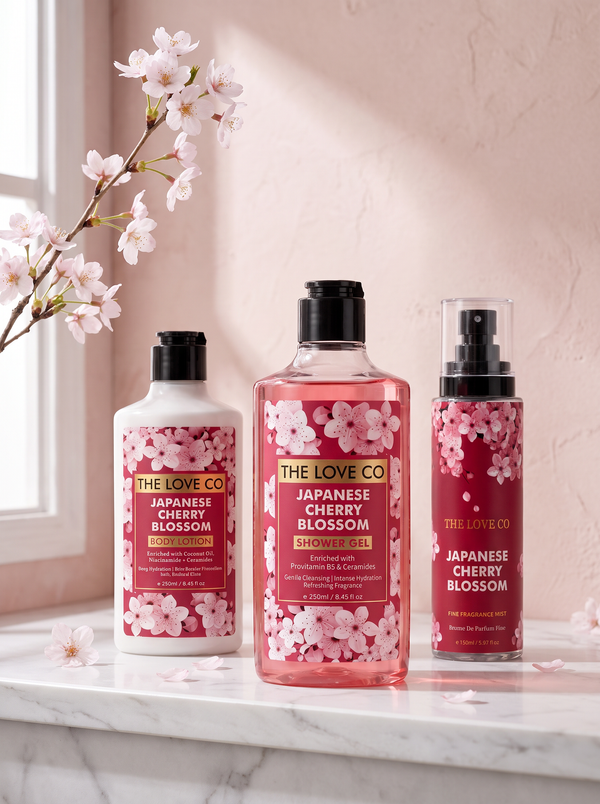
Japanese Cherry Blossom Shower Gel
Scent Trail Step 1 · soft floral body wash Start the Scent Trail here. A pH 5.5, SLS-free cleanser that protects your skin barrier while it washes —...
A ritual is the smallest love you give yourself, daily.
— Hemang Jain · 03 May 2026