


The first heavy rains of June feel like relief. By the second week of July, your back is breaking out, your shoulders feel grimy under every shirt, and the chest acne you finally cleared in March has come roaring back. This is the monsoon body acne pattern almost every Indian dermatologist sees on repeat — predictable, climate-driven, and entirely preventable if you change your routine before the humidity peaks, not after.
Monsoon in India means 80-95% relative humidity for 8-12 weeks across most of the country. Sweat does not evaporate. Cotton stays damp against the skin for hours. Wet hair drips conditioner residue down the back. Bedsheets do not dry properly. The acne triangle — sebum, dead cells, bacteria — gets a four-month boost. This is the prevention guide built for those exact conditions.
Why Monsoon Hits Body Skin Harder Than Summer
Summer is hot but the air is often dry enough that sweat evaporates. Monsoon traps moisture against the skin under clothing, in folds, and along the hairline of the back. Three things shift simultaneously:
- Sebum thins out in heat and humidity, spreading more readily across follicles and increasing congestion.
- Sweat sits longer, mixing with sebum inside pores and feeding Cutibacterium acnes bacteria.
- The skin barrier softens from prolonged moisture exposure, making it easier for bacteria and irritants to penetrate.
The result: comedonal acne (blackheads and whiteheads) explodes on the chest and shoulders, inflammatory papules appear along the back, and folliculitis — small, itchy, sometimes pus-filled bumps — shows up in places where clothing rubs against damp skin.
Start Your Prevention Routine Two Weeks Before Monsoon
The patients who clear monsoon body acne fastest do not start treating it in July. They start in early June, before the humidity locks in. Your follicles need a head start because once monsoon-related inflammation begins, you spend the season catching up.
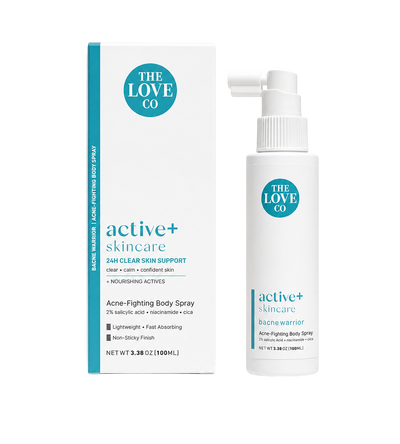
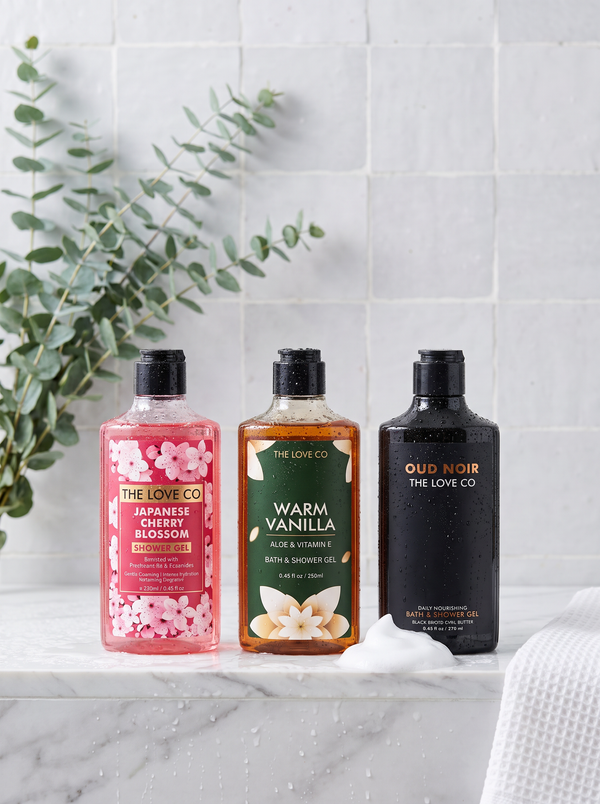
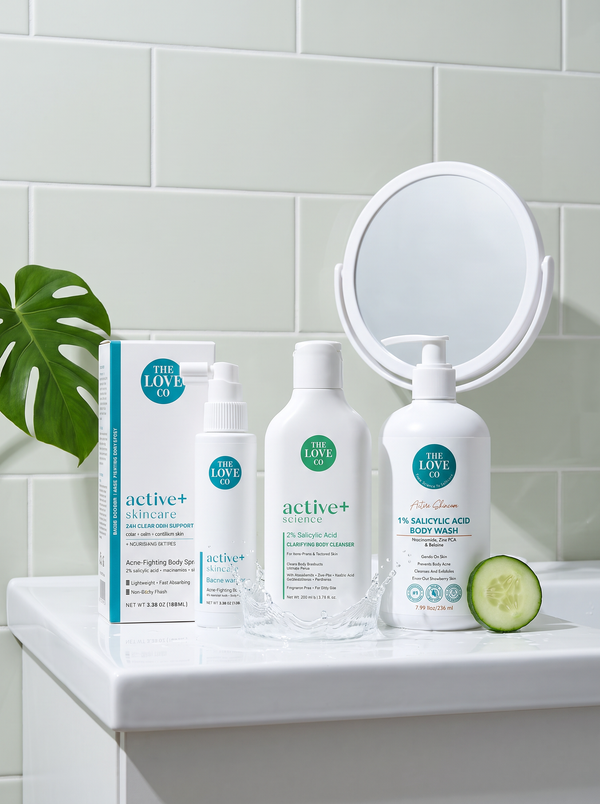
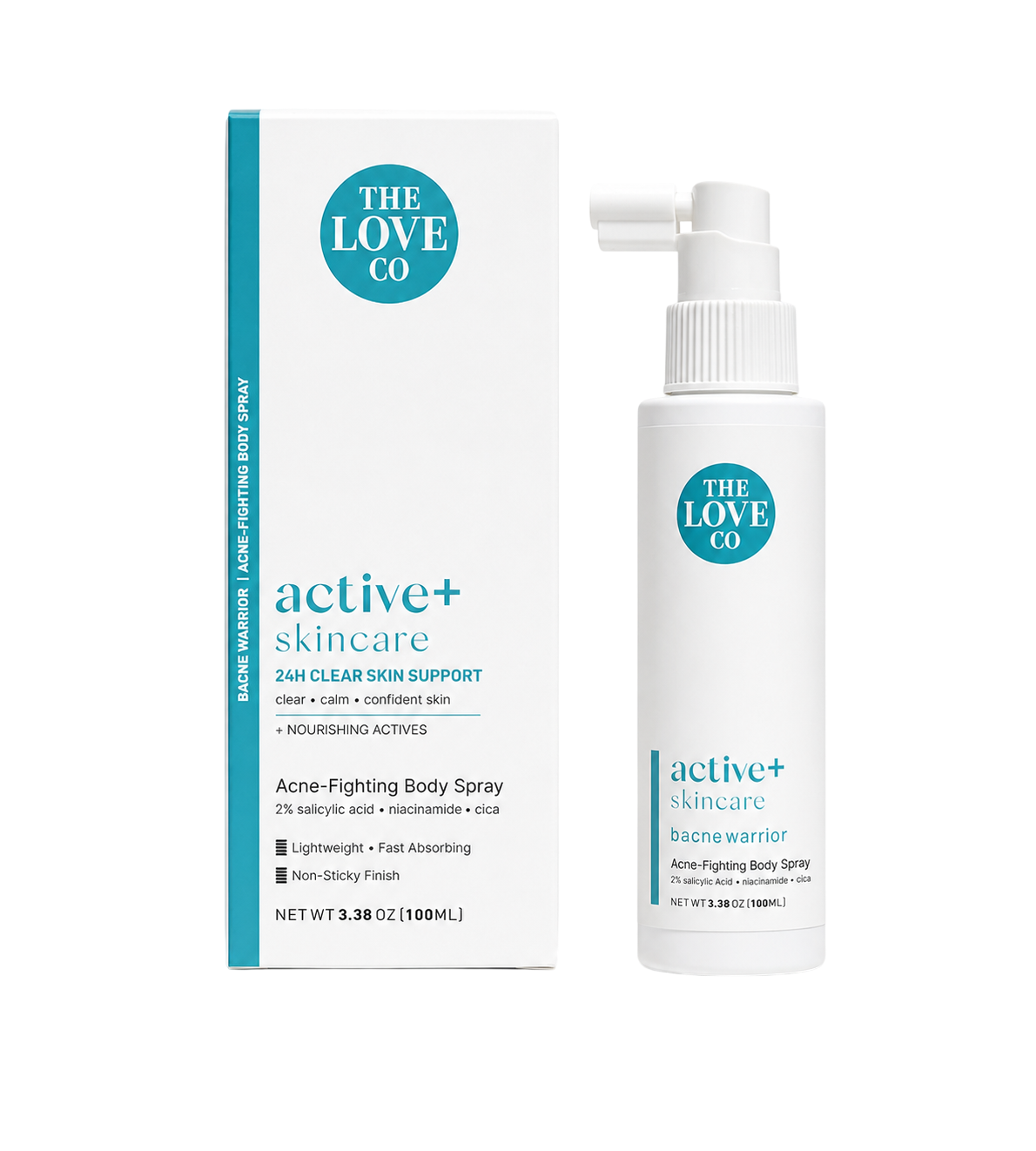
The protocol is simple but non-negotiable: switch to a pH 5.5, SLS-free body wash with salicylic acid, twice daily, for the entire season. Why SLS-free matters for Indian skin is even more relevant in monsoon — a stripped barrier in 90% humidity is a barrier that cannot keep bacteria out. Our exfoliating body wash collection is built for exactly this.
The Six Monsoon Habits That Prevent Most Cases
- Shower within 30 minutes of getting wet in the rain. Rainwater itself is not the issue — it is what dries onto your skin (pollutants, road grime, oils washed off your scalp) when you walk around in damp clothes for hours.
- Change out of damp clothes immediately. Even slightly wet cotton against skin for 2+ hours creates the warm, occlusive environment folliculitis loves.
- Dry your back and chest thoroughly after every shower. Damp skin trapped under a t-shirt for the next 4 hours is a perfect bacterial incubator.
- Wash bedsheets every 5 days in monsoon, not every 2 weeks. They absorb humidity from the air and your sweat overnight.
- Air out gym clothes and bras fully before re-wearing. If they are not bone-dry, do not wear them.
- Carry a small towel or cleansing wipe for face, neck, and chest if you sweat through your shirt during a commute.
The Daily Monsoon Routine
Twice-daily showers with a salicylic acid body wash. Lather, leave on chest, shoulders, and back for 60-90 seconds, rinse with lukewarm water. Pat — never rub — dry with a fresh towel. Apply a lightweight, non-comedogenic body lotion within 3 minutes on damp skin. Skip body oils and heavy butters during monsoon — they occlude follicles already stressed by humidity.
For sensitive, reactive skin where standard salicylic feels too aggressive in the heat, our sensitive skin collection uses gentler exfoliation paired with calming agents. For surface texture and post-inflammatory hyperpigmentation, an AHA body wash 2-3x a week works well alongside your daily routine.
"Monsoon body acne is the most preventable category I see. The patients who do badly are not lazy — they are simply reacting instead of pre-empting. By the time July begins, your routine should already be in place. Switch your wash, dry properly, change damp clothes immediately. Three habits and your back stays clear through September."
— Dr. Tanvi Sehgal, MD, Dermatologist
Hard Water Plus Monsoon Equals Worst-Case
If you live in a hard-water city — Delhi, Bangalore, Chennai, Hyderabad, Pune — monsoon stacks two barrier disruptors. The mineral residue from hard water already weakens your acid mantle; high humidity then amplifies the damage. A simple shower-head filter (₹1,500-₹4,000) is the single highest-ROI intervention you can make if topical changes alone are not delivering. Hard water sensitivity is one of the most overlooked drivers of Indian body skin issues.
Special Cases: Folliculitis, Heat Rash, and Fungal Acne
Not every monsoon bump is acne. Three look-alikes that often appear in monsoon need different treatment:
- Bacterial folliculitis: small, uniform, sometimes itchy or pus-filled bumps along clothing lines. Often responds to a salicylic wash and better drying habits.
- Heat rash (miliaria): tiny red prickly bumps from blocked sweat ducts. Treatment is cooling, drying, and looser clothing — not exfoliating actives.
- Fungal acne (pityrosporum folliculitis): uniform, itchy bumps on chest, shoulders, and upper back that do not respond to standard acne treatment. This is yeast, not bacteria, and needs an antifungal approach. Read our fungal acne guide to tell the difference.
What to Avoid During Monsoon
- Heavy body butters, coconut oil, or rich body oils on chest, back, and shoulders.
- Re-wearing slightly damp gym clothes "just for one quick session."
- Synthetic, non-breathable fabrics for daily wear — switch to cotton and linen for the season.
- Aggressive scrubbing or stiff loofahs — they inflame already-stressed skin.
- Skipping the second shower of the day. Twice daily is non-negotiable from July through September.
Frequently Asked Questions
Should I shower more than twice daily during monsoon?
Two thorough showers a day is enough. A third quick rinse after extreme sweat exposure is fine. Excessive showering can over-strip the barrier, especially with hard water — and a stripped barrier in monsoon humidity is more vulnerable, not less.
Why does my back acne suddenly itch in monsoon?
Itching is a sign your bumps may be folliculitis or fungal, not classic acne. Both are common in monsoon. If a salicylic routine is not working in 3 weeks, see a dermatologist — fungal acne in particular needs an antifungal wash.
Is rainwater bad for acne-prone skin?
Rainwater itself is mostly fine. The issue is what stays on your skin when you walk around in damp clothes for hours afterward — pollutants, oils washed down from your hair, and bacterial buildup. Shower within 30 minutes of getting caught in the rain.
Can I skip moisturizer in monsoon since the air is humid?
No. Skin still needs barrier support after cleansing, especially with active exfoliation. Use a lightweight gel or lotion — not heavy butter — within 3 minutes of toweling off.
Do dehumidifiers help body acne?
Indirectly, in your bedroom. A drier sleeping environment reduces overnight moisture buildup on bedsheets and skin, which can ease morning congestion. Not a primary intervention but a useful addition for severe cases.
Get monsoon-ready before the rains. Browse our exfoliating body wash collection — SLS-free, pH 5.5, dermatologist-tested, built for Indian skin in Indian climate.
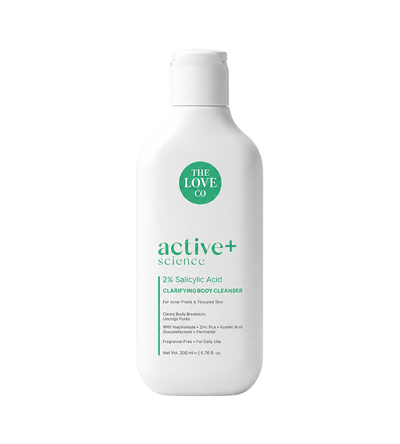
2% salicylic acid body cleanser
The step-up salicylic cleanser for skin that has tolerated 1% BHA and needs stronger pore-clearing support for stubborn bacne, clogged pores, and KP-prone texture. How To Use Start...
A ritual is the smallest love you give yourself, daily.
— Hemang Jain · 03 May 2026