

If you have ever used glycolic acid and watched a small patch of skin darken instead of brighten, you have met post-inflammatory hyperpigmentation—PIH. It is the single most common reason Indian, South Asian, and other Fitzpatrick III–VI skin tones quit AHAs after one bad experience. The acid worked. The inflammation it caused triggered melanocytes to overproduce pigment as a defense response. Result: a mark darker than the original concern.
Mandelic acid is the answer to that problem. It is also the AHA most under-stocked in Indian retail—which is a gap The Love Co. and Dr. Tanvi Sehgal MD have intentionally filled.
The Honest Case for Mandelic on Indian Skin
Mandelic acid molecule weight: 152 Da. That is double glycolic's 76 Da. The bigger molecule cannot squeeze into the skin as fast, which means slower exfoliation, less acute inflammation, and—critically—less melanocyte activation.
For Fitzpatrick III (lighter wheatish), IV (medium brown), V (dark brown), and VI (deep brown) skin tones—which together describe the vast majority of Indians—the math is straightforward: less inflammation equals less PIH equals better long-term outcomes. We are not going to pretend mandelic is "as fast" as glycolic. It is not. It is safer.
Molecule Comparison for Indian Skin
| Acid | Molecular Weight | Penetration Speed | PIH Risk (Type III–VI) | Best Indian Use |
|---|---|---|---|---|
| Glycolic | 76 Da | Fast | Moderate–High | Lighter skin, robust barriers |
| Lactic | 90 Da | Medium | Low–Moderate | Sensitive, dehydrated skin |
| Mandelic | 152 Da | Slow | Lowest | Type III–VI, melasma, PIH-prone |
What Mandelic Does Particularly Well
Body skin that hyperpigments easily—the inner thighs, underarms, knees, elbows, neck. These are zones where Indian skin commonly darkens from friction (denim, dupatta), heat (summer chafe), or shaving/waxing. Glycolic on these zones often makes the darkness worse before it gets better. Mandelic does not.
Mandelic also helps with mild body acne, especially the cystic, scar-prone variant common on the back and shoulders of Indian men. Its mild antibacterial property (it is synthesized from bitter almond extract) addresses the acne; its low PIH risk protects against the post-acne marks.
"In my Mumbai clinic, 80% of female patients are Fitzpatrick IV or V. For these patients, my opening AHA is almost always mandelic, not glycolic. Glycolic works faster, yes—but the PIH risk on this skin tone, especially on body areas that experience friction, is high enough that I would rather take six weeks to see results than three weeks to create a new pigmentation problem. Mandelic is, clinically, the safer first step."
— Dr. Tanvi Sehgal, MD (Dermatology), TLC Dermatology Partner
Concentration and Frequency
5–10% mandelic in a body wash is the effective range. Below 5% does little; above 10% is uncommon in rinse-off formats. Use three to four times a week. Mandelic is forgiving enough that occasional overuse will not crash your barrier the way glycolic can.
Even with mandelic's friendlier profile, sun protection is mandatory. The acid still increases UV sensitivity, and Indian UV is the variable that makes or breaks every body care routine. Apply SPF 30+ on exposed body skin daily.
Building a Mandelic Routine
Phase 1 (weeks 1–4): Mandelic body wash three nights a week. Track results in photos under consistent light.
Phase 2 (weeks 5–8): Increase to four nights if tolerating well. Continue photo tracking.
Phase 3 (week 9+): Maintain or graduate to a glycolic option if you want to accelerate—covered in our main AHA cluster guide.
What to Pair It With
Mandelic is the most "stackable" AHA—it pairs reasonably with niacinamide, vitamin C (separated by hours), and most ceramide moisturizers. Avoid combining with retinol on the same day. For the wash base, sulfate-free is ideal—our SLS body wash guide explains why.
For sensitive layered skin profiles, also see our sensitive skin body wash India and pH-balanced body wash articles.
The TLC Position
We will not pretend mandelic is exotic or rare. It is simply under-stocked in India because it works slower than glycolic and is harder to market. Hemang Jain's directive when we built our mandelic body wash was clear: "Formulate for the patient population our dermatologist actually treats, not the marketing demographic that converts fastest." That is why mandelic exists in our range.
Browse the AHA/BHA collection or our broader exfoliating body care.
Frequently Asked Questions
Why is mandelic acid better for darker Indian skin tones?
Mandelic has the largest molecule of the common AHAs, so it penetrates slowly and triggers less inflammation. Less inflammation means dramatically lower post-inflammatory hyperpigmentation risk—the primary side effect derms see in Fitzpatrick III–VI skin.
Is mandelic acid effective on body acne?
Yes. Mandelic has mild antibacterial properties (it is derived from bitter almonds) and gently exfoliates the pore opening. It is slower-acting than salicylic but safer for skin that scars or pigments easily.
How long until I see results from mandelic body wash?
Mandelic works slower than glycolic. Expect 6–8 weeks for visible improvement in tone and texture, versus 3–4 weeks for glycolic. The trade-off is far fewer side effects.
Can I combine mandelic with vitamin C body lotion?
Generally yes. Mandelic is the most layer-friendly AHA. But on the same day, separate them by at least eight hours—mandelic in the shower, vitamin C the next morning.
Is mandelic safe for melasma on the body?
Mandelic is one of the few acids dermatologists actively recommend for melasma management because of its low PIH risk. Always use alongside daily broad-spectrum SPF 50.
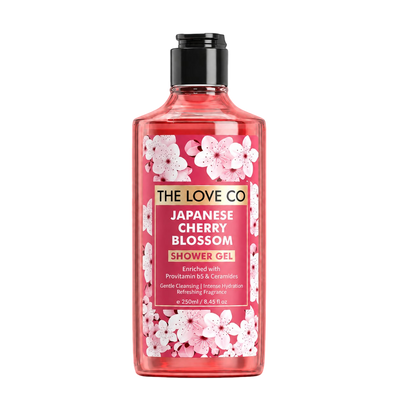
Japanese Cherry Blossom Shower Gel
Scent Trail Step 1 · soft floral body wash Start the Scent Trail here. A pH 5.5, SLS-free cleanser that protects your skin barrier while it washes —...
A ritual is the smallest love you give yourself, daily.
— Hemang Jain · 03 May 2026