

Back acne — bacne — is the most under-discussed skin complaint in India. It hides under your shirt, so it does not get the attention facial acne does, but anyone who has ever tried to wear a backless blouse to a wedding or worried about a deep-cut kurta knows the quiet stress of it. And in Indian climate, back acne behaves uniquely. The reasons it shows up here are different from what causes it in cooler, drier countries.
This is the dermatology-grounded breakdown of why your back is breaking out. Understanding the cause is most of the work — once you know what is driving it, the routine writes itself.
1. Humidity Above 60% Sustains the Acne Cycle
Most Indian cities live above 60% humidity for 6-9 months a year, and coastal cities like Mumbai, Chennai, and Kochi sit above 70% nearly year-round. Humidity does not cause acne directly, but it keeps sweat on the skin longer, which mixes with sebum inside follicles and gives Cutibacterium acnes bacteria the warm, lipid-rich environment they thrive in.
This is why bacne flares in monsoon and summer and often subsides slightly in north Indian winters. The bacteria population on your skin is being modulated by climate.
2. Hair Oil Migration Is the Quiet Culprit
This is uniquely Indian. Coconut oil, almond oil, and hair serums applied to the scalp migrate down the back through the day — especially in heat. They sit on the upper back and shoulders, occlude follicles, and trigger what dermatologists call pomade acne. If your bacne is concentrated between your shoulder blades and along your hairline, hair products are likely a major driver.
The fix is mechanical: rinse the upper back at the end of every shower as a final step, after your hair is fully washed. This removes the residue that ran down during conditioning.
3. Hard Water Disrupts the Skin Barrier
Hard water — common in Delhi, Bangalore, Chennai, Hyderabad, Pune — leaves calcium and magnesium deposits on skin. These deposits weaken the acid mantle, reduce the efficacy of every cleanser you use, and create micro-irritation that compounds with humidity and sweat. Hard water is one of the most overlooked drivers of body skin problems in India, and bacne is one of its first symptoms.
4. Sodium Lauryl Sulphate Wrecks the Barrier
Most mass-market body washes in India contain SLS or SLES at concentrations that strip lipids and push skin pH alkaline. SLS in body wash is particularly problematic for bacne-prone skin because it triggers a rebound oil response and weakens the barrier defence against acne bacteria. Switching to an SLS-free, pH 5.5 wash often improves bacne within 3-4 weeks with no other change.
5. Gym Sweat Sitting Under Synthetic Fabric
Polyester gym tops trap sweat against the skin. The combination of warmth, occlusion, and bacterial-friendly conditions on the back makes the post-workout window critical. Showering within 30 minutes of a workout dramatically reduces bacne. Sleeping in your gym clothes, or commuting home in them for an hour before showering, is one of the most common things people quietly do that keeps their bacne going.
6. Friction from Backpacks, Bra Straps, and Tight Clothing
Mechanical friction — acne mechanica — explains why bacne often runs along the line of bra straps, backpack straps, or tight gym tops. Friction does not cause acne on its own but inflames existing follicular blockage and creates new micro-trauma that recruits bacteria. Loose, breathable cotton between workouts and during travel reduces this dramatically.
7. Hormonal Drivers, Stress, and Sleep
Androgens drive sebum production. Cortisol, the stress hormone, amplifies that drive. Poor sleep disrupts both. While topical care addresses the surface and middle of the problem, chronic stress and poor sleep keep the engine running. This is why bacne often spikes during exam season, work crunches, or wedding season — not because of the food at the wedding, but because of the cortisol leading up to it.
"Back acne in Indian patients is rarely about cleanliness. It is about three things sitting on the skin too long: hair oil, gym sweat, and hard water residue. Address those three, switch to a pH-balanced wash, and the back clears faster than the face usually does."
— Dr. Tanvi Sehgal, MD, Dermatologist
What to Do About It
The protocol is not complicated, but consistency is everything:
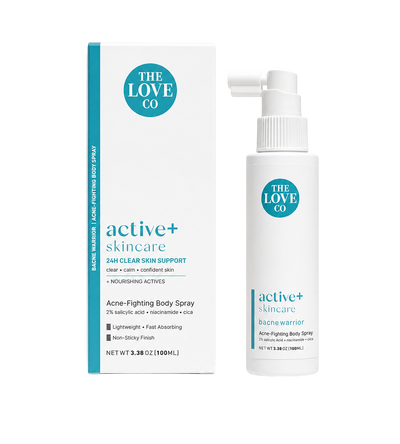
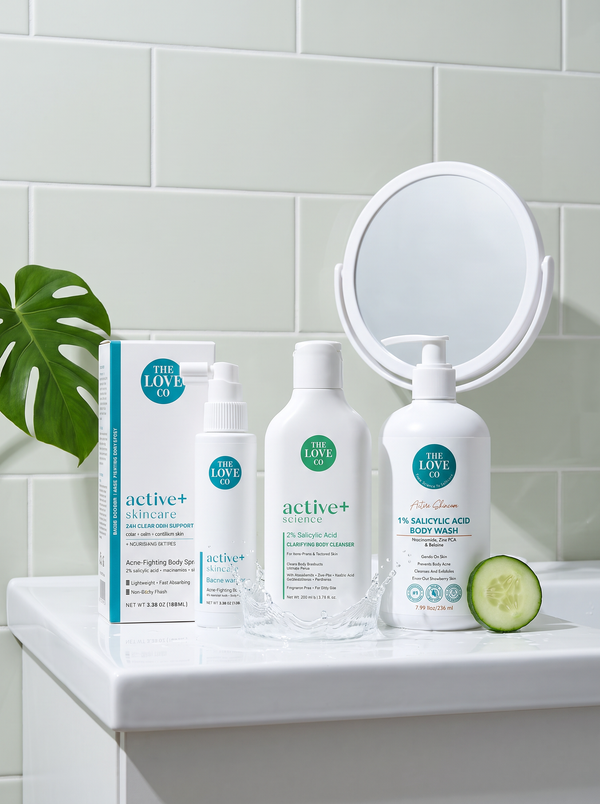
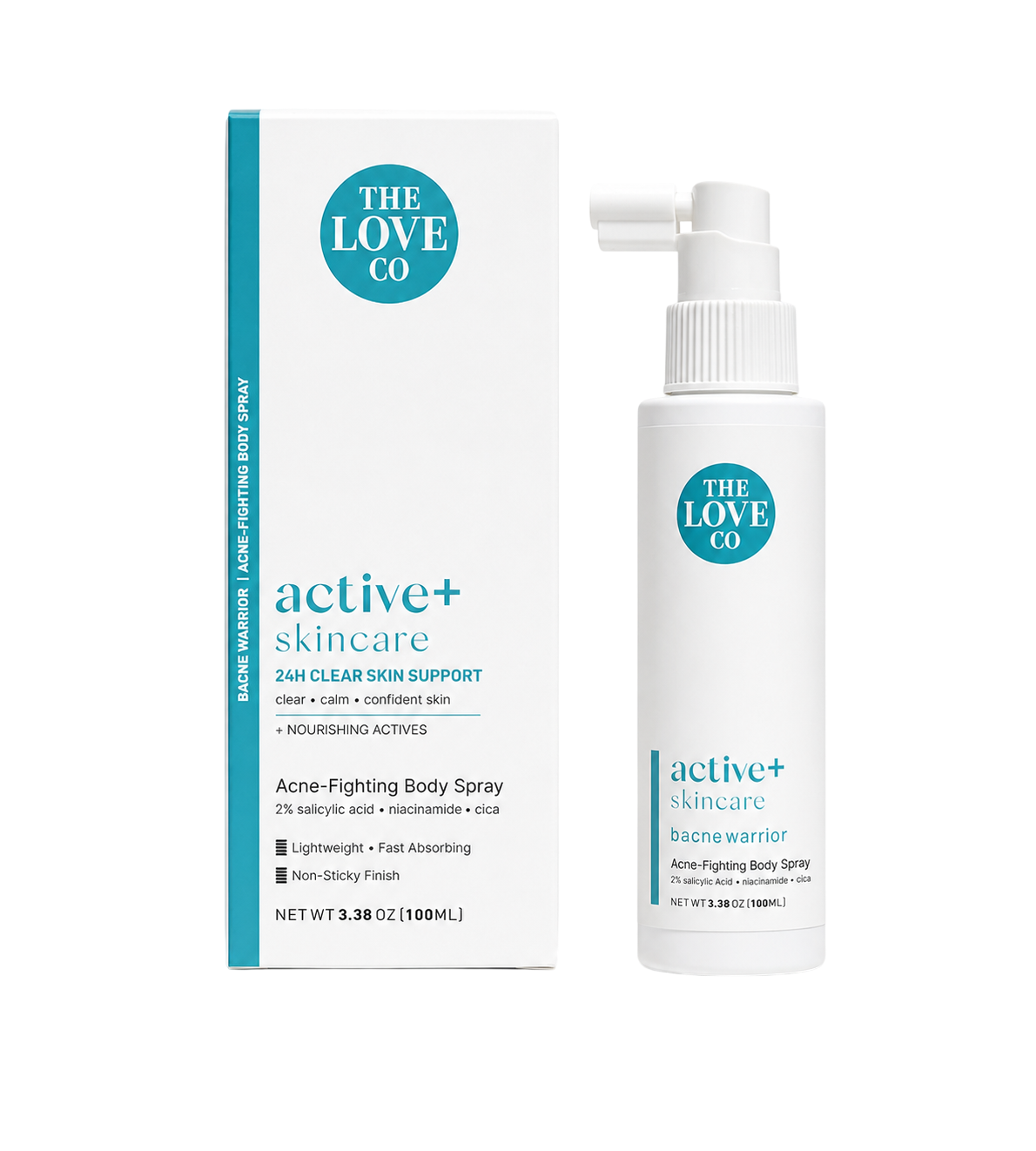
- Switch to an SLS-free, pH 5.5 body wash with salicylic acid. Browse our exfoliating range.
- Rinse the upper back as the final step of every shower.
- Shower within 30 minutes of any significant sweat exposure.
- Wash bedsheets every 5-7 days.
- Wear loose, breathable clothing for at least an hour post-shower.
- Address hard water with a shower-head filter if you live in a hard-water city.
- For sensitive, reactive skin, our sensitive skin collection uses gentler exfoliation suited to compromised barriers.
Visible improvement happens within 3 weeks. Full clearance — including dark marks, which fade slower on Indian skin — typically takes 8-12 weeks of consistent routine.
Frequently Asked Questions
Why is my back acne worse in summer than winter?
Higher humidity, more sweating, and more sun exposure all contribute. Sebum production also rises with ambient temperature. Most patients see a 30-50% seasonal swing in bacne severity in India.
Can hair oil really cause back acne?
Yes. Pomade acne — acne caused by hair products migrating down — is documented in dermatology literature and is especially common in India because of widespread coconut and almond oil use.
Is back acne contagious?
No. Cutibacterium acnes lives on everyone's skin. Acne is a follicular inflammation issue, not an infection that spreads person to person.
Should I use a back-scrubbing tool?
Soft silicone back brushes are fine for daily lathering and reach. Avoid stiff bristle brushes or aggressive loofahs — they inflame active lesions and drag bacteria across the skin.
Can I just use my facial acne products on my back?
Inefficient. Facial actives are dosed for thinner skin. Body washes carry appropriate concentrations and contact-time formulations for the thicker skin and larger sebaceous glands of the back. Use a body-specific product for body skin.
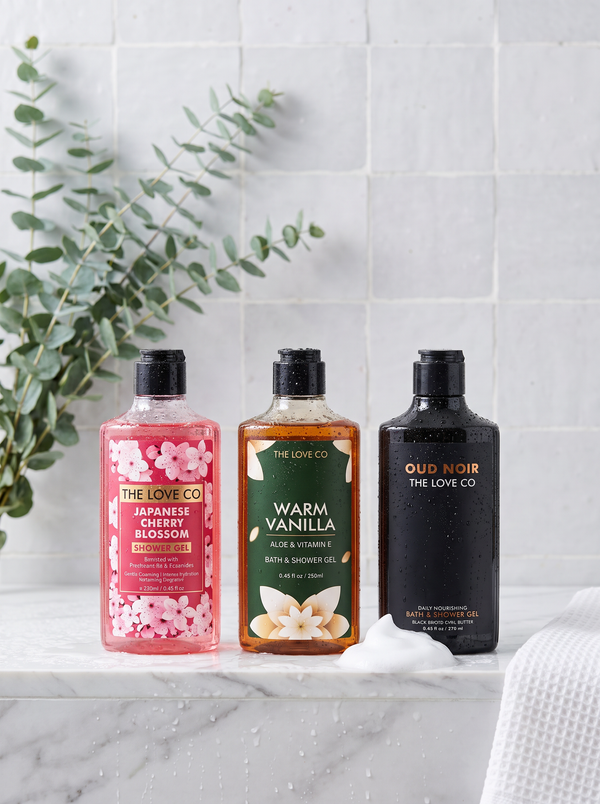
Start clearing your back. Explore our complete body wash and shower gel range — SLS-free, pH 5.5, dermatologist-tested, formulated for Indian skin and Indian climate.
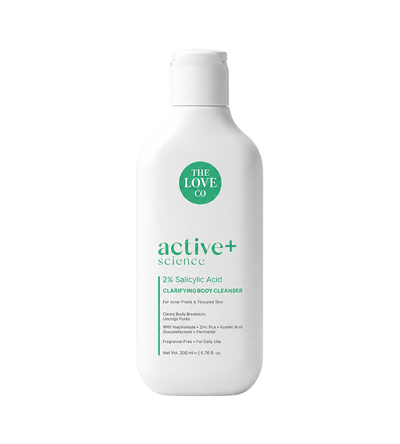
2% salicylic acid body cleanser
The step-up salicylic cleanser for skin that has tolerated 1% BHA and needs stronger pore-clearing support for stubborn bacne, clogged pores, and KP-prone texture. How To Use Start...
A ritual is the smallest love you give yourself, daily.
— Hemang Jain · 02 May 2026