

By The Love Co · Reviewed by Dr. Tanvi Sehgal, MD · Last updated: 2026-08-26
What skin pH actually is
Healthy skin surface sits at roughly pH 4.7–5.75 — slightly acidic. That thin acidic film is called the acid mantle, and it is made of sebum, sweat and the by-products of the microbial community living on your skin.
It exists to do a job: keep the barrier intact, keep unwanted bacteria from establishing, and keep the enzymes that maintain healthy skin working at the pH they need.
Fragrance lands directly onto this layer. It does not sit on an inert surface — it sits on a chemically active, living one, at a specific acidity, at a specific temperature, populated by a specific microbial community that is yours and nobody else's.
Which is why the same bottle produces genuinely different results on two people. This is not perception or suggestion. The composition is developing in a different environment.
The five variables that change how it smells
Not all of these are equally important, and only one is truly within your control.
| Variable | Effect | Can you change it? |
|---|---|---|
| Sebum (skin oil) | Fragrance oils dissolve into sebum. Oily skin holds scent longer and richer; dry skin loses it fast | Indirectly — moisturise |
| Skin temperature | Warmth accelerates evaporation. Louder opening, shorter overall wear | Partly — where you apply it |
| Skin pH | Shifts how certain materials read, particularly ambers and musks | Somewhat — avoid stripping washes |
| Skin microbiome | Bacterial populations produce their own volatile compounds that blend with the fragrance | Not meaningfully |
| Diet, medication, hormones | Alter sebum composition and body odour, which the fragrance sits on top of | Rarely, and not for this reason |
Why oily skin holds fragrance better
This is the most useful thing on this page, and it is a straightforward matter of solubility.
Fragrance materials are largely oil-soluble. Sebum is oil. When fragrance lands on skin with a healthy lipid layer, the fragrance oils dissolve into it and are held there, released slowly as the skin warms through the day. When fragrance lands on dry, stripped skin, there is nothing for it to dissolve into — it sits exposed on the surface and evaporates.
Which means people with naturally oily skin have a genuine advantage in fragrance longevity, and people with dry skin have been quietly blaming their perfumes for years.
The fix does not require changing your skin type. It requires putting a lipid layer there yourself: body lotion on damp skin, then fragrance over it. That is the whole of it, and it is the single largest change available to anyone.
What you can actually control
Moisturise. The highest-impact lever by a distance. Lotion on damp skin within three minutes of the shower, then mist over it once absorbed.
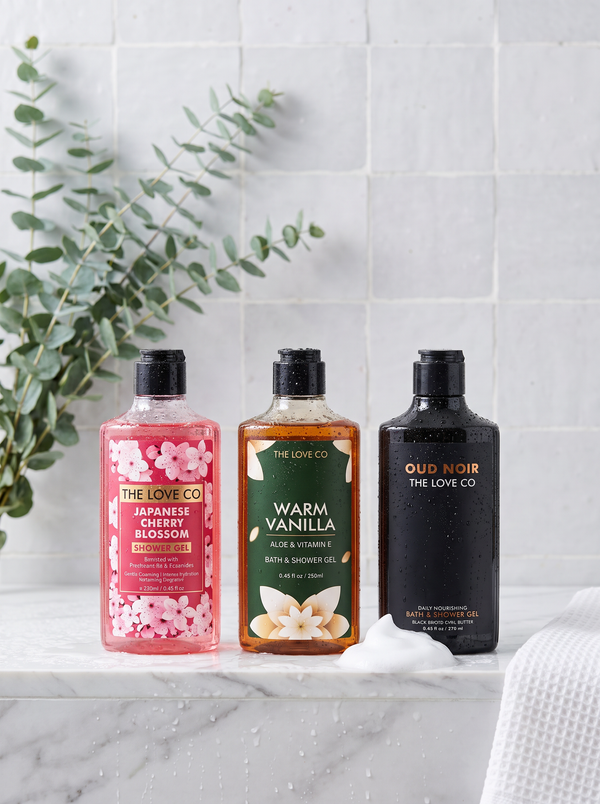
Stop stripping your skin. A high-foam, harsh body wash removes the lipid layer you need. Twice a day, that compounds. An SLS-free, pH-appropriate wash keeps the acid mantle intact and gives fragrance something to hold onto before you have applied anything at all.
Choose where you apply. Warm points — inner wrist, base of the throat, behind the ears — project more and burn through faster. Cooler areas hold longer and quieter. Use both deliberately rather than by habit.
Test on yourself, always. A card is not skin, and someone else's wrist is not your skin. Every recommendation you will ever read, including this page, is a starting point rather than a prediction.
Give it two hours. The heart notes are where a fragrance's real character lives, and they only appear once the opening has burned away.
Quick questions
Why does perfume smell different on different people?
Because it develops on a living surface. Your skin's pH, sebum level, temperature and microbial population all interact with the fragrance materials, so the same composition genuinely develops differently on two people.
What is the normal pH of skin?
Healthy skin surface sits at roughly pH 4.7–5.75 — slightly acidic. This layer is called the acid mantle and it maintains the barrier and controls unwanted bacteria.
Does oily skin hold fragrance better?
Yes. Fragrance materials are largely oil-soluble, so they dissolve into sebum and are released slowly. Dry skin gives them nothing to bind to, so they evaporate faster.
Can I change how a fragrance smells on me?
You cannot change your chemistry, but you can change the surface. Moisturising before applying fragrance is the single most effective change, followed by switching to a non-stripping body wash.
Does diet affect how perfume smells on you?
It can. Diet alters sebum composition and natural body odour, and fragrance develops on top of both. The effect is usually subtle compared with how moisturised your skin is.
Where should I apply fragrance for longest wear?
Warm pulse points project more but burn through faster; cooler areas like the collarbone and inner forearm hold longer and quieter. Applying over moisturised skin matters more than the location.
The TLC Pick
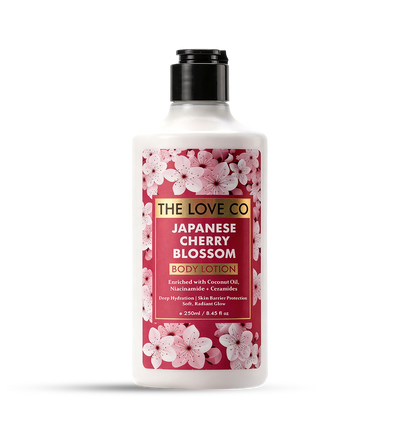
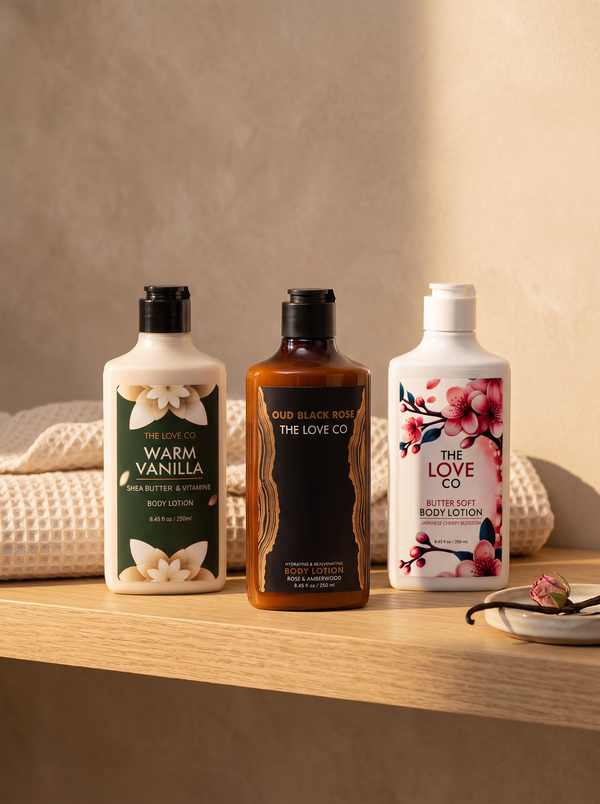
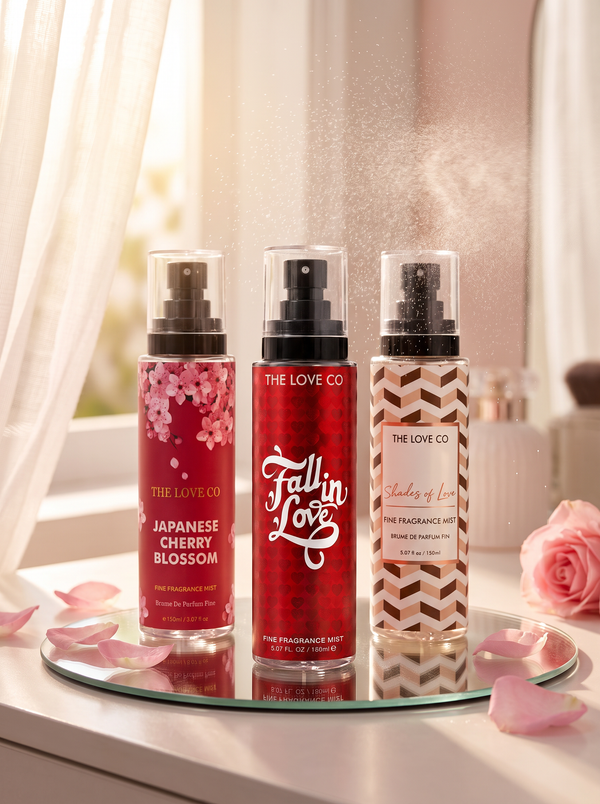
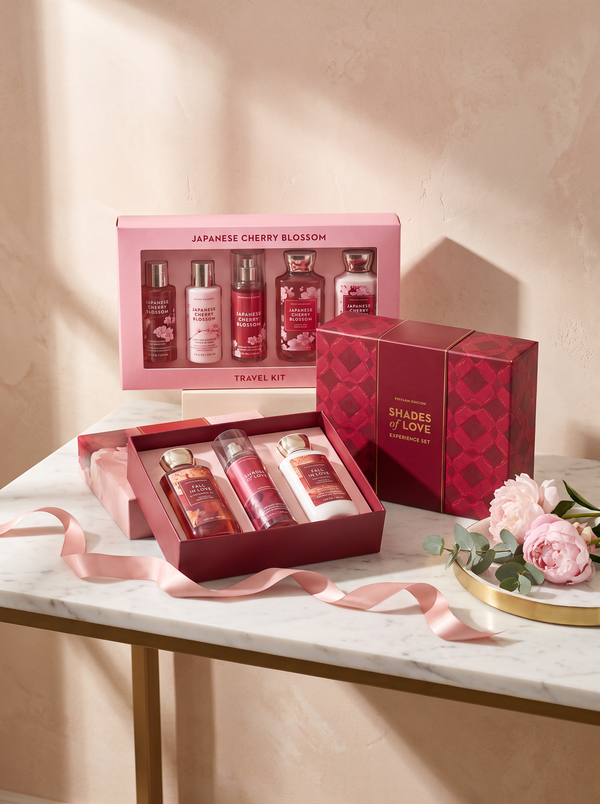
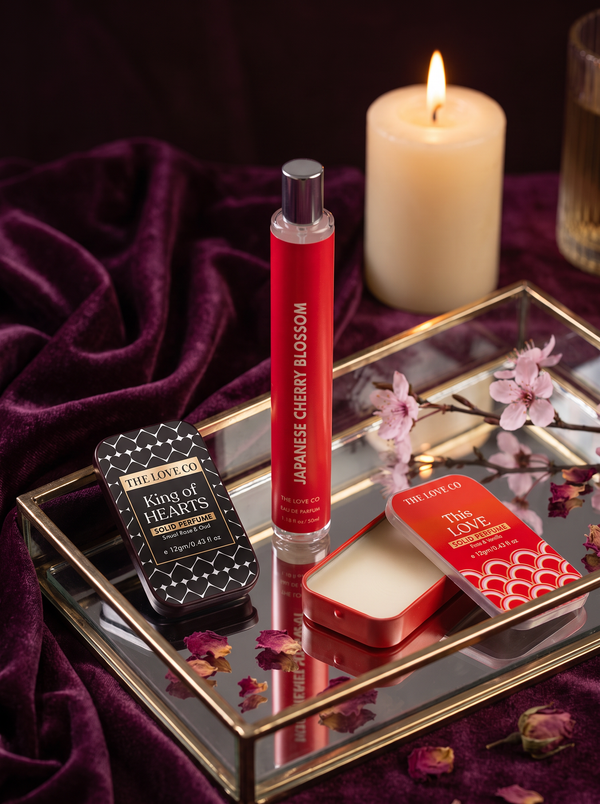
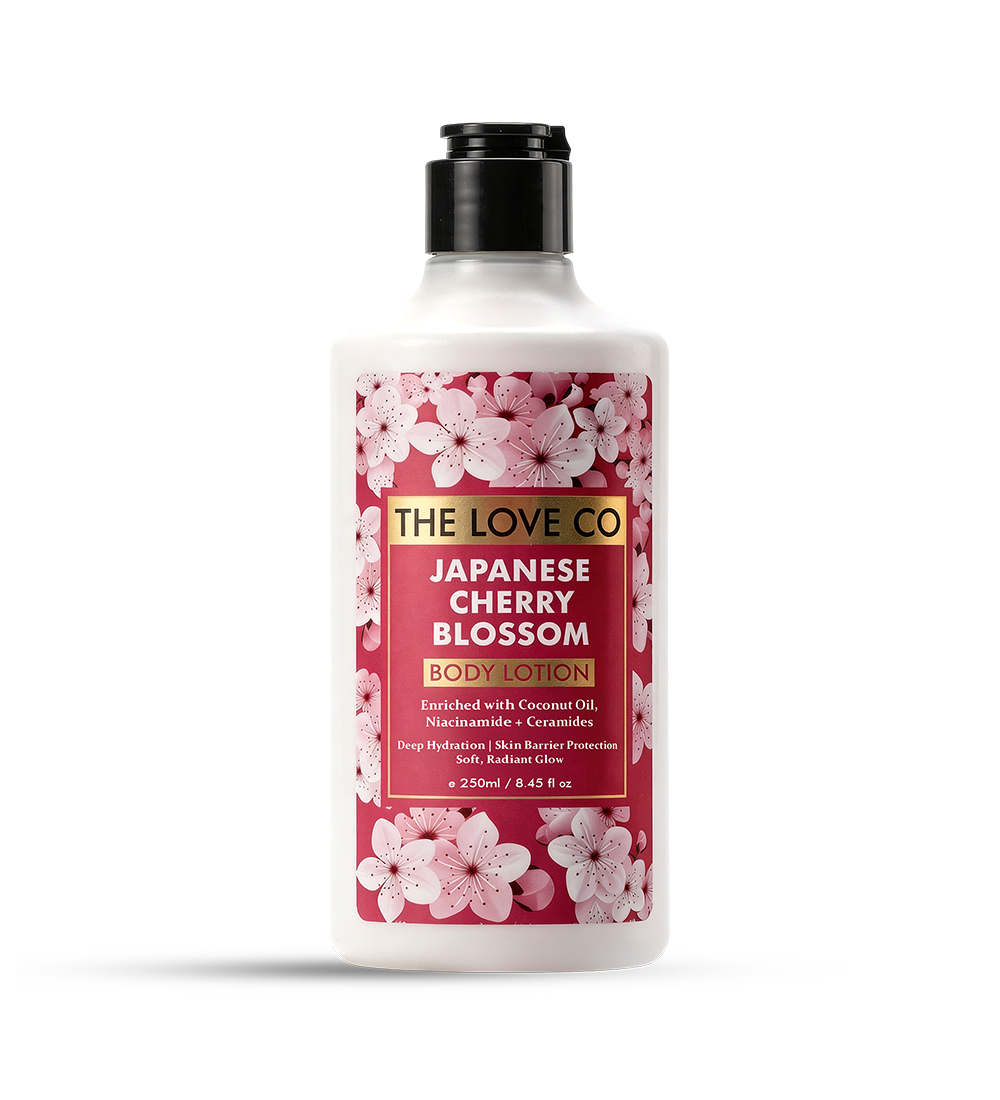
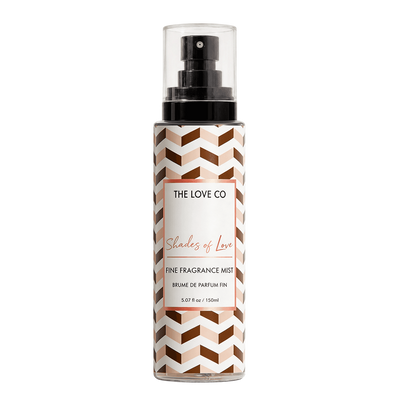
Give the fragrance something to hold onto. Take a lotion from the body lotion range, apply it to damp skin, wait a minute, then mist Shades of Love — geranium and bergamot over iris, jasmine and peony, on a base of vanilla, amber and soft musk.
And start the ritual earlier with a gentler wash from the body wash collection. Full range in body mist.
Her sister buried her face in her shoulder at the airport and said, you smell like you again.
Keep reading
- Fragrance Layering: The Complete Ritual
- Body Mist Longevity: Why It Fades
- Fragrance Notes and the Pyramid, Explained
- Is Body Mist Safe?
Shades of Love Body Mist
Geranium + iris + vanilla · Spritz, linger Every shade of how you feel. Geranium, iris, vanilla, amber. The mood-shifting middle ground between Fall in Love's romance and...
A ritual is the smallest love you give yourself, daily.
— The Love Co · 26 Aug 2026