


Look at the back of your hands in good daylight. Then look at your face. For a lot of us, they don't match — the hands are a touch darker, a little more weathered, maybe freckled across the knuckles. It's not bad luck. It's that for years the face got sunscreen, a hat, a careful routine, and the hands got nothing but the steering wheel and the afternoon sun streaming through the car window.
The hands, neck and chest are the quiet record-keepers of sun exposure. They show it first and most honestly, precisely because they're the spots we forget.
Why these three spots get hit so hard
- Hands: always out, always exposed — driving, walking, scrolling on the balcony. They get sun nearly every waking hour and almost never get SPF.
- Neck and nape: the back of the neck cooks under the midday sun, especially with tied-up hair or a short cut. The sides catch window light on every commute.
- Chest and décolletage: the V exposed by every round-neck top and kurta. Thin skin here pigments easily and shows crepiness early.
In India's strong, year-round sun, these areas accumulate a heavy dose without anyone deciding to expose them. It just happens — a few minutes here, a commute there — and it adds up to uneven tone, dark patches and texture that ages ahead of the rest of you.
The window-seat problem
So much of this exposure is incidental. UVA passes through glass, so the hand on the gear stick, the right side of your neck by the car window, the chest catching light through the office pane — all of it gets dosed even on days you never planned to be "in the sun." That's why these spots tan unevenly: one side, one patch, the parts that face the light.
How to actually protect them
The fix is simple and it's the same step for all three: a body sunscreen you apply every morning and actually reach for. The trick is making these forgotten zones part of the routine rather than an afterthought.
- Make the hands the last thing you do. After applying sunscreen everywhere else, rub the leftover into the backs of your hands — then reapply after every wash.
- Sweep down past the jaw. Don't stop your face sunscreen at the chin. Carry your body SPF up the neck, front and back, and down into the chest.
- Catch the décolletage. Whatever your neckline exposes, protect a little beyond it.
- Reapply where it rubs off. Hands especially — every two hours of direct sun, and after washing.
Why texture decides whether you keep it up
These spots get forgotten partly because reapplying feels fussy — nobody wants greasy hands on the keyboard or a sticky neck under a collar. A light serum texture solves that. It absorbs fast, leaves an invisible finish, and doesn't transfer onto everything you touch.
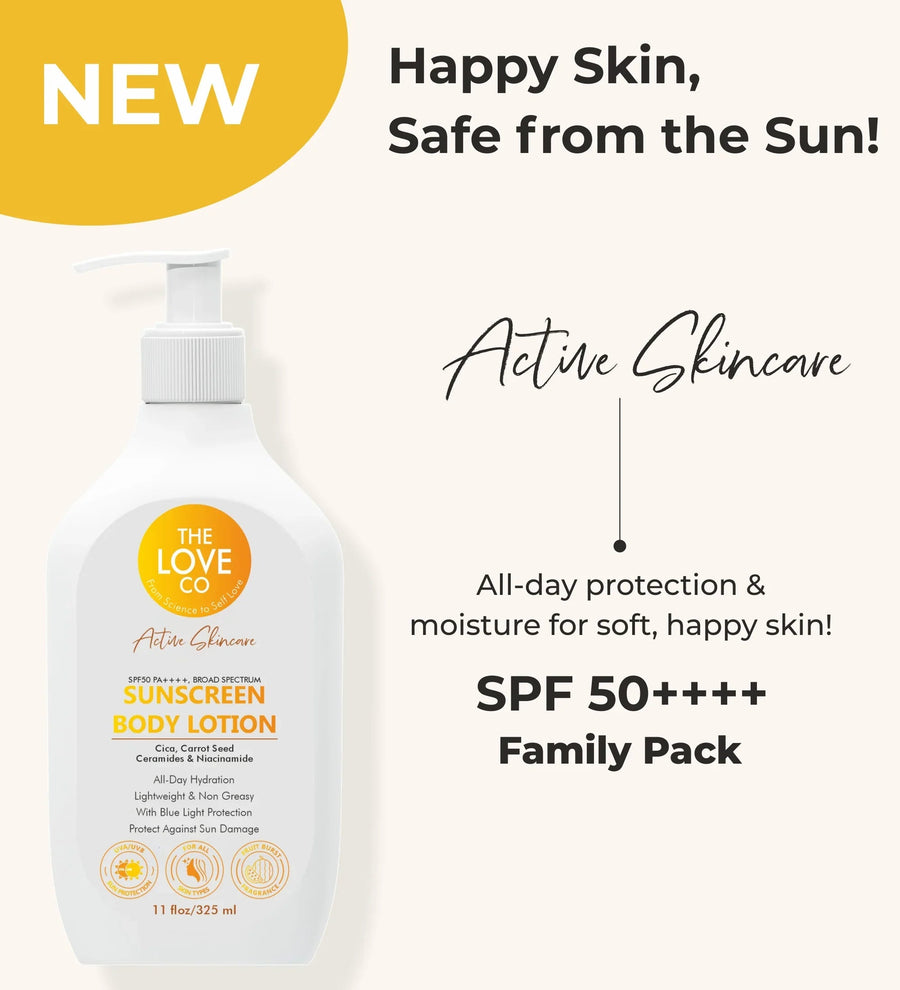
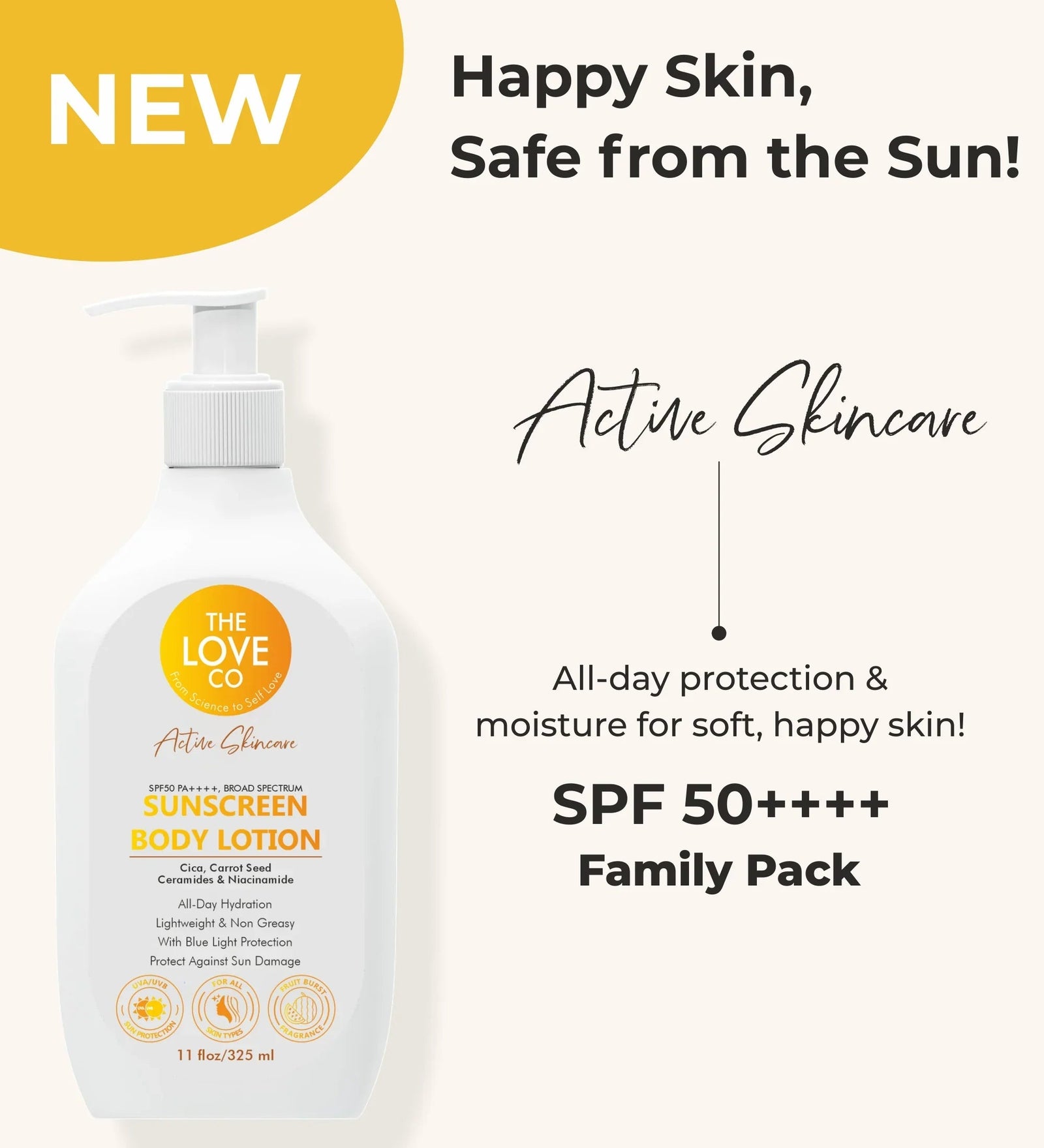
The Active + Science Serum Body Sunscreen works well for exactly these areas: broad-spectrum UVA and UVB protection in a lightweight serum texture, with active brightening ingredients that help even out the tone these spots are prone to losing. For drier skin or those who prefer a richer feel on the chest and neck, the Daily Dose SPF 50 Body Lotion is the lotion-texture sibling with a niacinamide and cica focus.
Don't forget the rest of the forgotten
While you're at it: the tops of the feet in chappals, the ears, the back of the knees on a saree day, the part in your hair. Anywhere skin meets daylight without a second thought is worth a swipe.
Frequently asked questions
Why do my hands look older than my face?
Because they get near-constant sun exposure and rarely any SPF. Daily protection on the backs of the hands evens out tone and slows that visible weathering.
Should I put sunscreen on my neck and chest every day?
Yes. These thin-skinned areas pigment and crepe early. Carrying your body sunscreen down past the jaw daily is one of the highest-return habits you can build.
How often should I reapply on my hands?
Every two hours of direct sun, and after each hand wash — keep a bottle where you'll remember.
Years from now, the kindest thing you can do for how your skin reads its age is happening right now, in the thirty seconds it takes to sweep sunscreen across your hands, up your neck and into your chest. Even, cared-for, unbothered by the light — that's the quiet payoff of protecting the spots everyone else forgets.
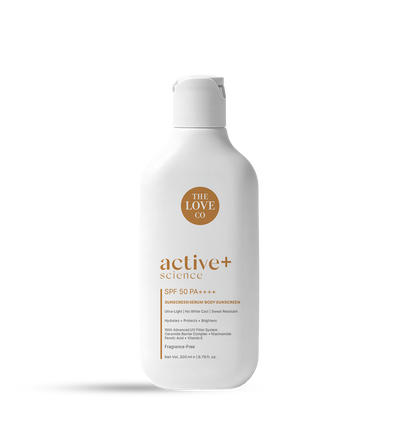
Serum Body Sunscreen SPF 50 · Lightweight
Sunscreen + serum, in one.A lightweight serum-texture body sunscreen with UV filters AND active brightening ingredients. The one-step protection for skincare-minded daily wear.vs Daily Dose SPF 50Daily Dose...
A ritual is the smallest love you give yourself, daily.
— Anaya Rao · 06 Jun 2026