Body Wash vs Shower Gel: What's the Actual Difference?
By Hemang Jain · Reviewed by Dr. Tanvi Sehgal, MD · Last updated: 2026-05-02
What this means for you
Bar soaps deliver value but at a barrier cost; for daily Indian-climate use, a pH-balanced body wash is the lower-risk choice for most skin types.
Walk into any personal care aisle and you will find body washes and shower gels side by side, often made by the same brand, sometimes even the same product marketed two different ways. They look similar. They do similar jobs. But they are not identical, and understanding the difference will help you pick the one that works better for your skin and your climate.
The short answer: the main difference is texture and moisture retention. Shower gels are thinner, gel-based, and cleanse efficiently. Body washes are creamier, richer, and designed to leave a moisturising film on the skin. The right choice depends on your skin type, where you live in India, and what you want to feel like after your shower.
What Is a Body Wash?
A body wash is a liquid cleanser with a creamy, emollient-rich texture. It contains gentle surfactants (the cleansing agents) combined with moisturising ingredients — typically glycerin, oils, or skin-conditioning agents. The goal is to clean the skin without stripping it of its natural moisture, and to leave a softening effect that continues after rinsing.
What this means for you
Bar soaps deliver value but at a barrier cost; for daily Indian-climate use, a pH-balanced body wash is the lower-risk choice for most skin types.
Body washes typically have a thinner-to-medium consistency and are designed for use with hands or a loofah. They lather moderately — not as aggressively as bar soap, not as dramatically as some shower gels. The skin after a body wash should feel clean, soft, and not tight.
Body washes are particularly well suited for dry skin, mature skin, and skin that tends to feel uncomfortable after washing — the kind where you reach for a moisturiser the moment you step out of the shower.
What Is a Shower Gel?
A shower gel has a thicker, gel-like consistency. It is formulated for a higher-lather, more vigorous cleanse. Shower gels typically contain a higher proportion of surfactants relative to emollients, which is what gives them their signature thick texture and rich foam.
What this means for you
Bar soaps deliver value but at a barrier cost; for daily Indian-climate use, a pH-balanced body wash is the lower-risk choice for most skin types.
The trade-off for that satisfying lather is that shower gels cleanse more aggressively — they remove surface oils efficiently. This is a feature, not a bug, if you have oily skin or live in a humid climate where you want to feel thoroughly clean. It becomes a problem if you have dry or sensitive skin, because the more aggressive cleansing can leave skin feeling tight.
Most shower gels are also pH-adjusted (the good ones, anyway), but the gel base means they rinse completely clean — there is less residual skin feel compared to a creamy body wash.
Body Wash vs Shower Gel: Key Differences
| Feature | Body Wash | Shower Gel |
|---|---|---|
| Texture | Creamy, fluid, emollient-rich | Thick gel, higher viscosity |
| Lather | Moderate, soft lather | Rich, abundant foam |
| Cleansing intensity | Gentle — removes dirt without stripping oils | More thorough — removes surface oils efficiently |
| Moisturising effect | Higher — leaves emollient residue on skin | Lower — rinses clean, minimal residue |
| Post-shower feel | Soft, comfortable, slightly moisturised | Clean, fresh, energised |
| Best for skin type | Dry, normal, sensitive, mature | Oily, combination, normal |
| Best for climate | Dry seasons, AC environments, winter | Humid summers, post-workout, monsoon |
| Fragrance retention | Slightly higher — emollient base helps anchor scent | Standard — scent on rinse and immediately after |
Which Is Better for Indian Skin and Climate?
India is not one climate. A person in Mumbai in July and a person in Delhi in January are having completely different skin experiences. This matters when choosing between body wash and shower gel.
Summer and Monsoon (Most of India, March–September)
In high humidity — Mumbai, Kolkata, Chennai, coastal cities — your skin produces more oil and you sweat more. You want a cleanser that removes that surface build-up effectively without feeling heavy or residue-y post-rinse. Shower gel is the better choice here. The thorough cleanse and light post-shower feel is exactly what works in 35-degree humidity.
Winter and AC-Heavy Environments (Delhi, North India, October–February)
Dry air — whether from cold winters in the north or continuous air conditioning in offices and cars — strips moisture from the skin over the course of the day. By the time you shower, your skin is already running a moisture deficit. A body wash that deposits emollients during the cleansing step works in your favour here. It does not replace a body lotion, but it means you start the post-shower moisturising step from a better baseline.
Hard Water Cities (Delhi, Bengaluru, Pune, Hyderabad)
Hard water reduces lather and can leave a mineral film on skin that makes it feel dry or rough. Shower gels tend to lather more aggressively and can compensate better for hard water conditions. Body washes in hard water sometimes feel like they are not rinsing clean — if that is your experience, a shower gel may work better in your city regardless of skin type.
Year-Round Sensitive or Reactive Skin
If your skin reacts easily — redness, dryness, tightness — the pH of your body wash matters more than the body wash vs shower gel question. Both formats can be formulated at pH 5.5 to match your skin's natural acid mantle. Both formats can be SLS-free. The skin type and climate context should drive your decision, not the label on the bottle.
Which Should You Choose, by Skin Type
Oily Skin
Go with shower gel. The higher-lather, more efficient cleanse is aligned with what oily skin needs — surface oil removal without clogging. Look for a gel that is SLS-free; you want to remove excess oil, not strip the skin bare, which would trigger more oil production.
Dry Skin
Go with body wash. The emollient-rich base starts the moisture process during your shower, before you even apply a lotion. Glycerin and skin-conditioning agents in the body wash formula provide an immediate softening effect. If your skin feels tight, flaky, or uncomfortable after showering, your current product is probably too harsh — switch to a pH 5.5 body wash and note the difference within a week.
Normal or Combination Skin
You can go either way. Most people with normal skin default to shower gel because of the satisfying lather, but body wash works just as well. For combination skin — oily T-zone, normal to dry body — a body wash is usually the better choice since the skin on your body tends to be drier than the skin on your face.
Sensitive or Reactive Skin
For sensitive skin, the most important criteria are: SLS-free formula and pH 5.5. Beyond those two, the body wash vs shower gel choice matters less. A gentle, pH-balanced body wash is the safer starting point. Avoid heavy fragrances if your skin is reactive — though it is worth noting that a well-formulated fragrance in a pH-correct base is less likely to cause irritation than a poorly formulated "fragrance-free" product with harsh surfactants.
Mature or Ageing Skin
Skin loses its ability to retain moisture with age. A body wash with a creamy, emollient-rich base is almost always the better choice for mature skin. Avoid shower gels with high surfactant concentrations — the thorough cleanse that is a feature for oily skin becomes a problem when the skin barrier is already compromised.
The Love Co's Body Wash and Shower Gel Range
The Love Co makes both — and the formulation philosophy is consistent across both formats: SLS-free, pH 5.5, vegan, cruelty-free, dermatologist approved. The difference between the two formats in TLC's range follows the same principles outlined above. Curious about why we avoid SLS? Read our deep-dive on the ingredient.
TLC Body Washes — When You Want Lasting Moisture and Scent
The body washes in TLC's range use a creamy, emollient-enriched base that deposits a softening film on the skin. The fragrance compounds interact with the emollient base to improve post-shower scent longevity. If you are using a TLC body mist after your shower, starting with the matching body wash creates a scent-layering effect.
- Oud Black Rose Body Wash — woody, dark, oriental. For those who want depth in their shower ritual.
TLC Shower Gels — When You Want a Clean, Fragrant Start
TLC's shower gels have the same SLS-free, pH 5.5 foundation but with the gel texture — thicker lather, more vigorous cleanse, fresh post-shower feel. These are the better choice in summer, post-workout, or if you prefer a clean finish rather than a moisturised feel before applying a lotion.
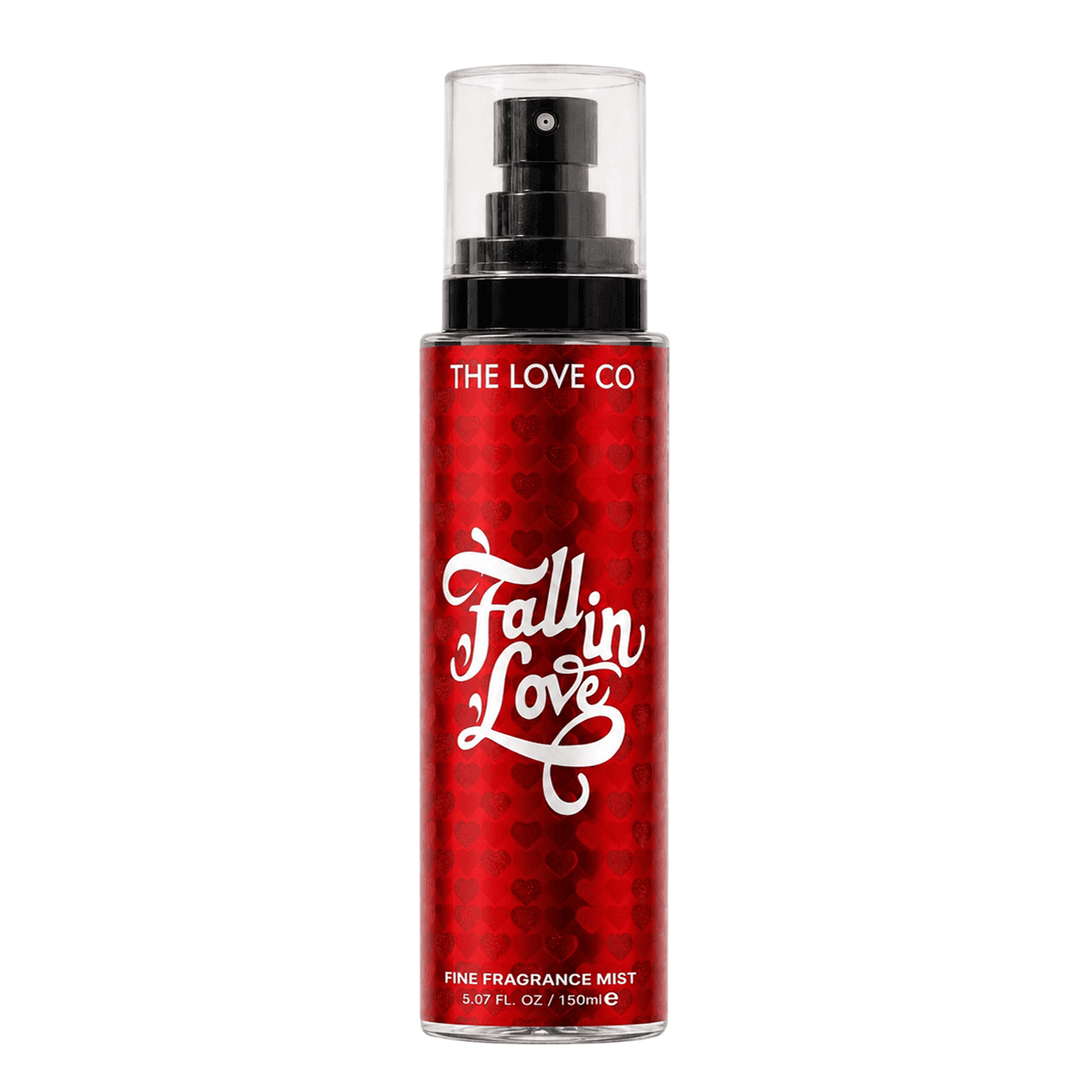
- Fall in Love Shower Gel — fruity floral, bright, uplifting
- Chile Shower Gel — spiced, bold, travel-edition
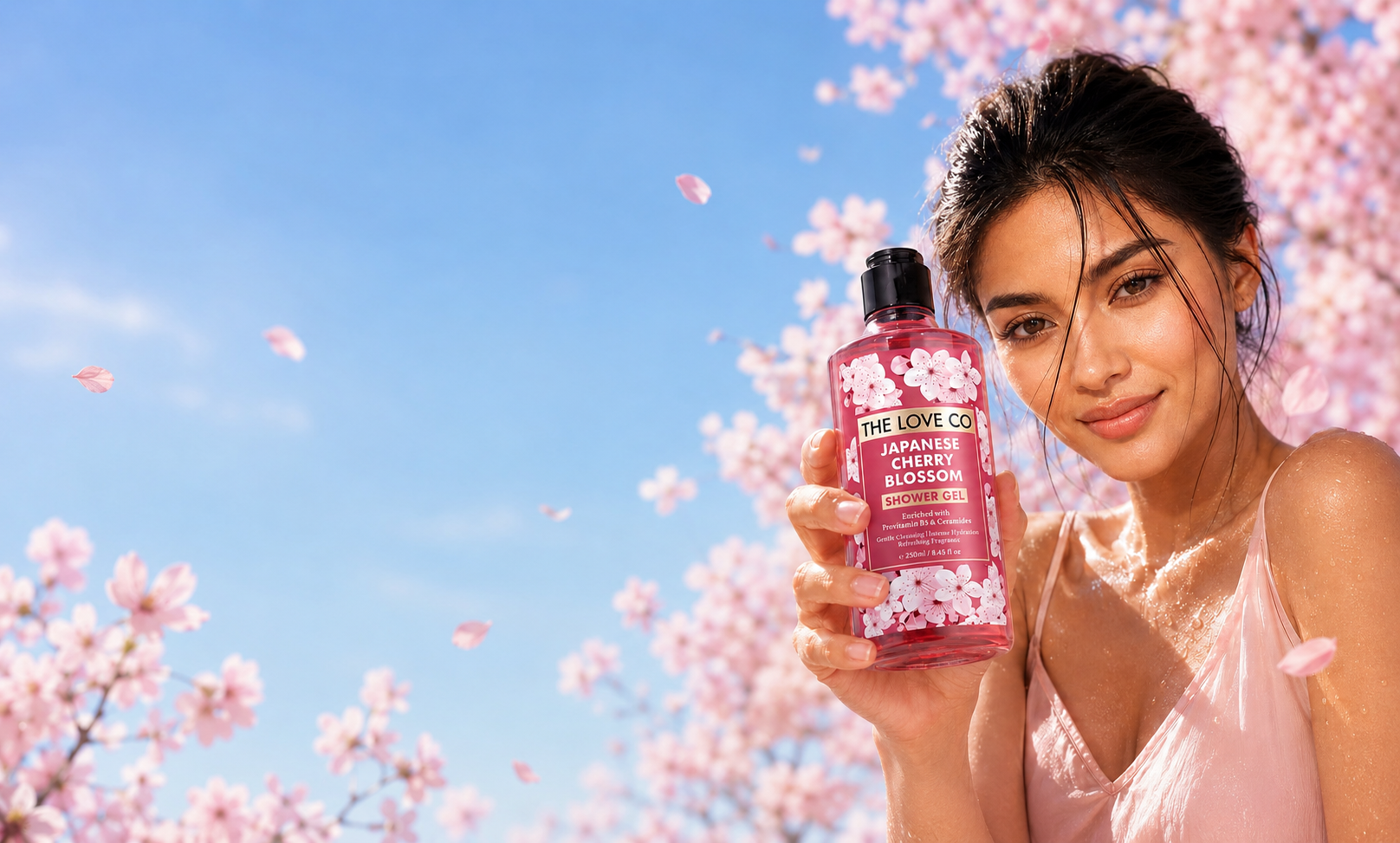
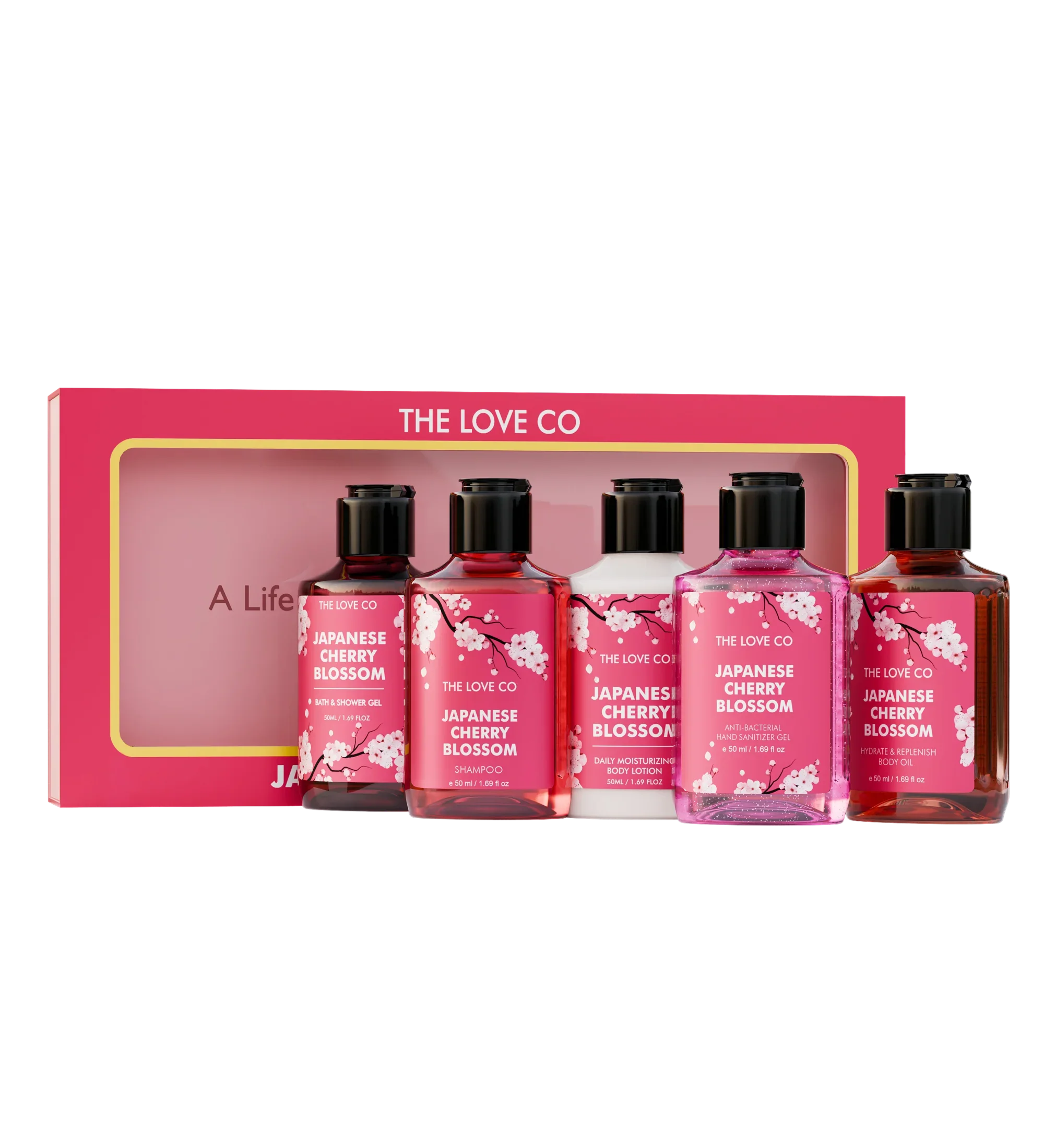
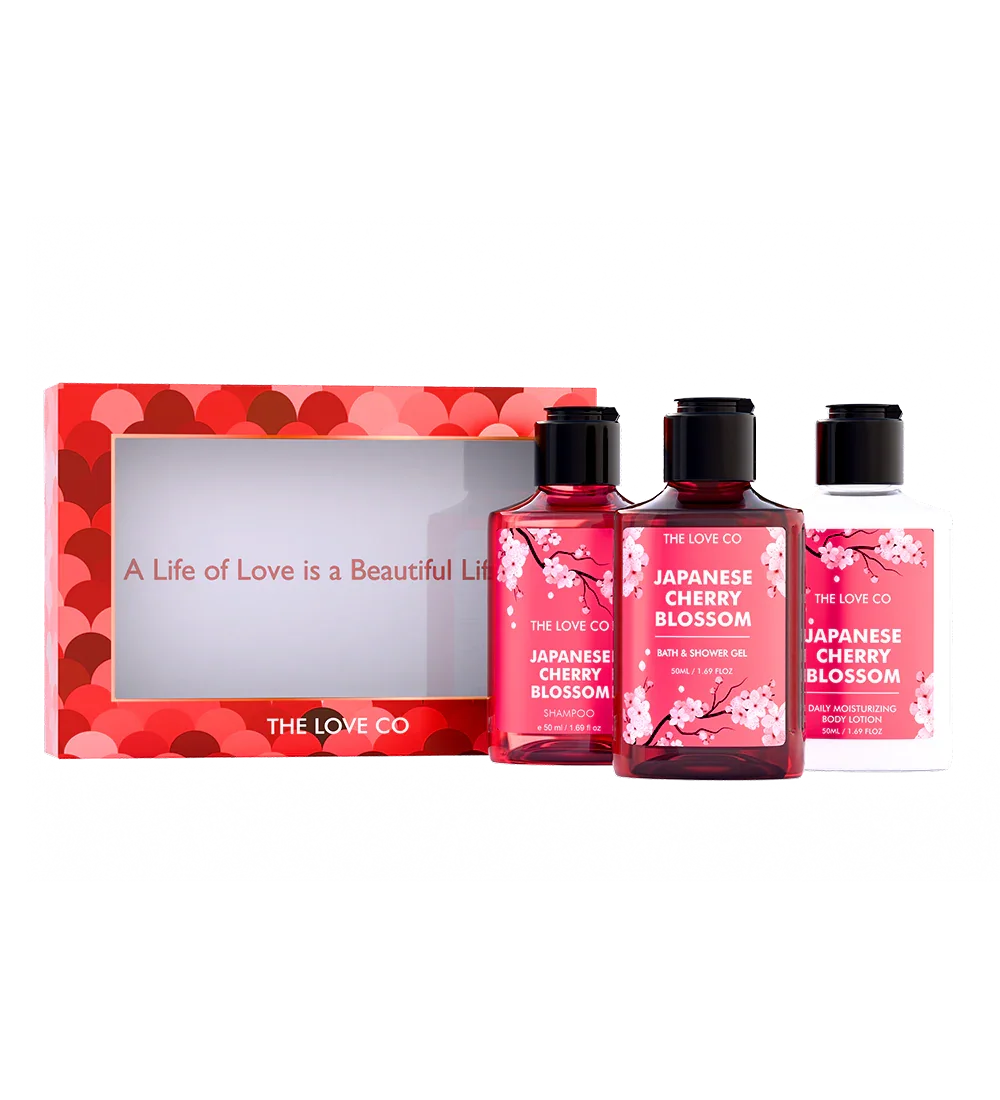
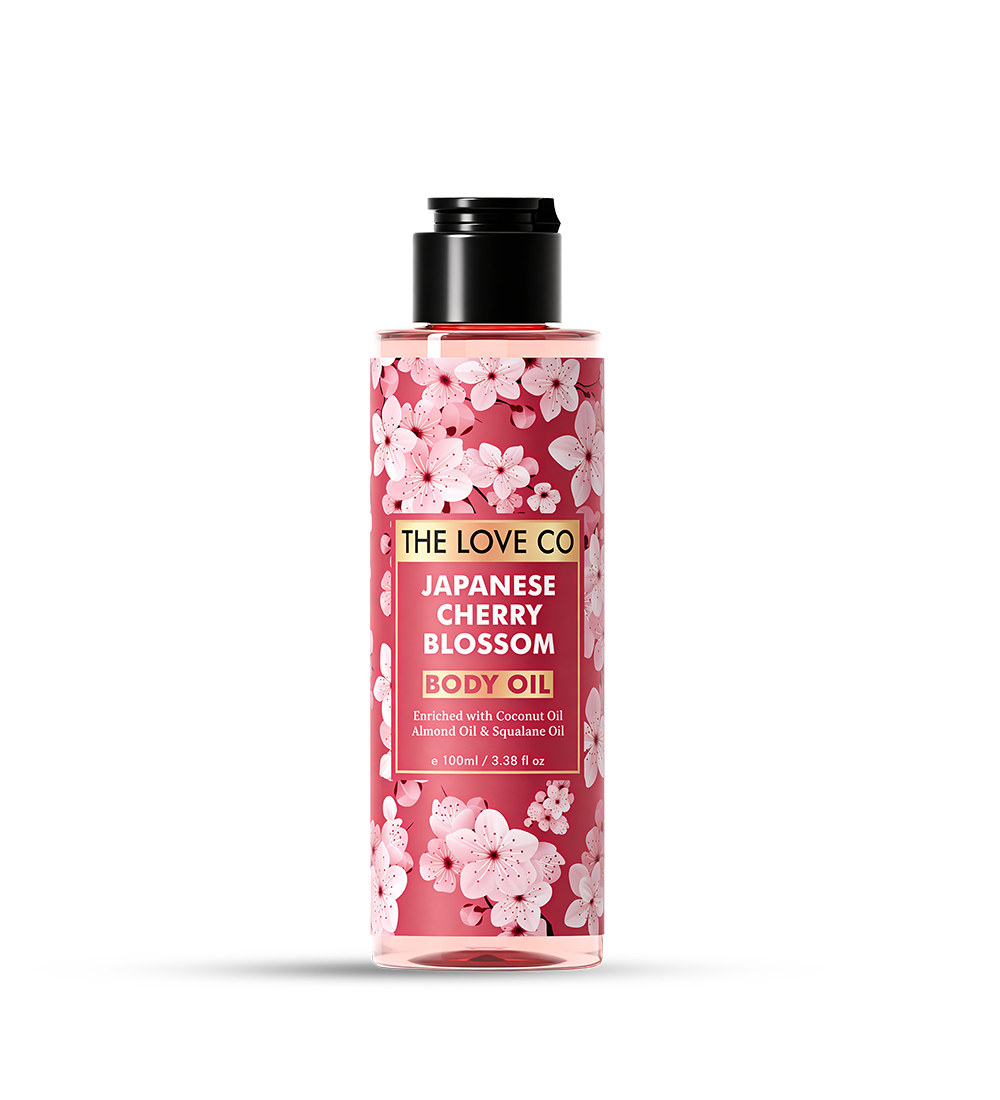
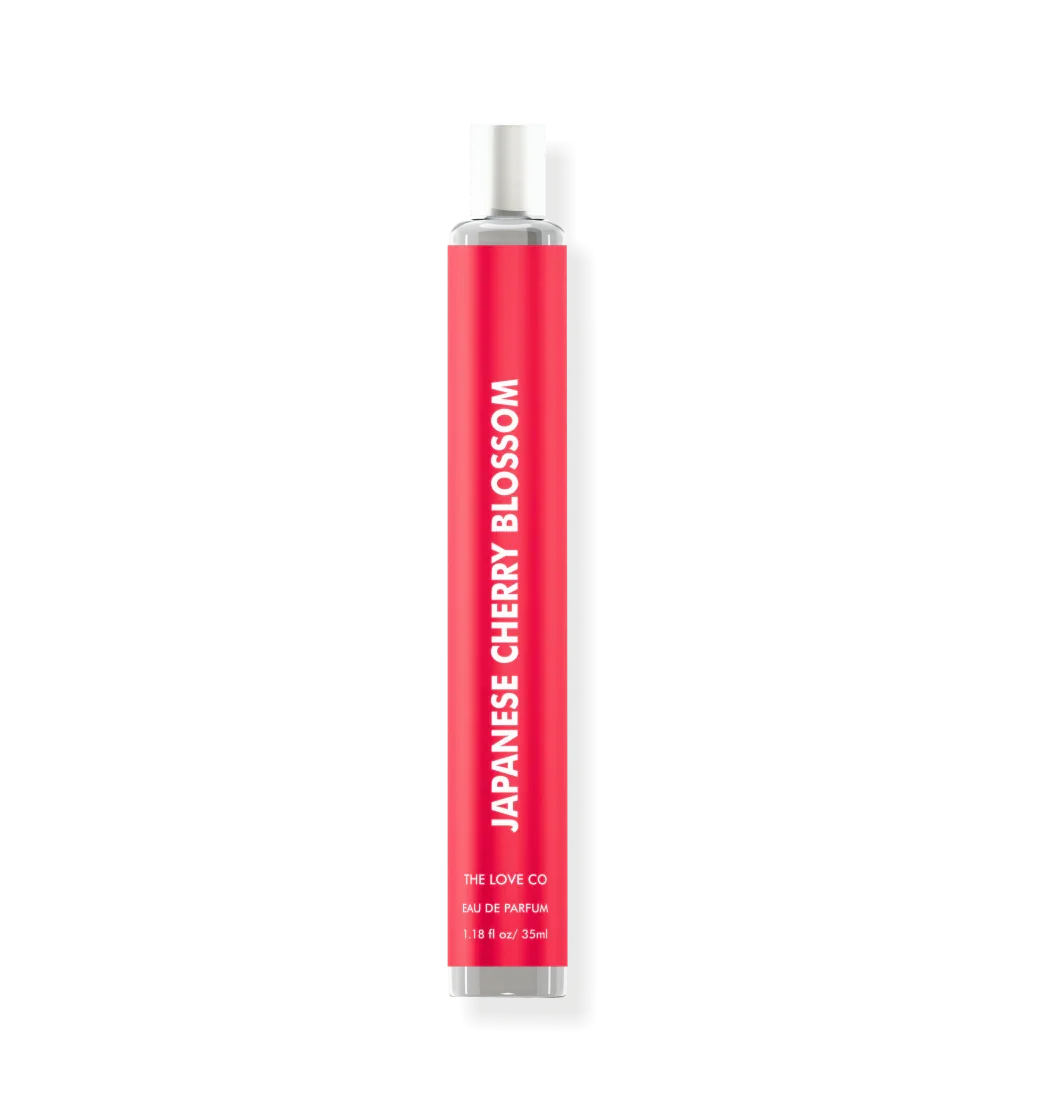
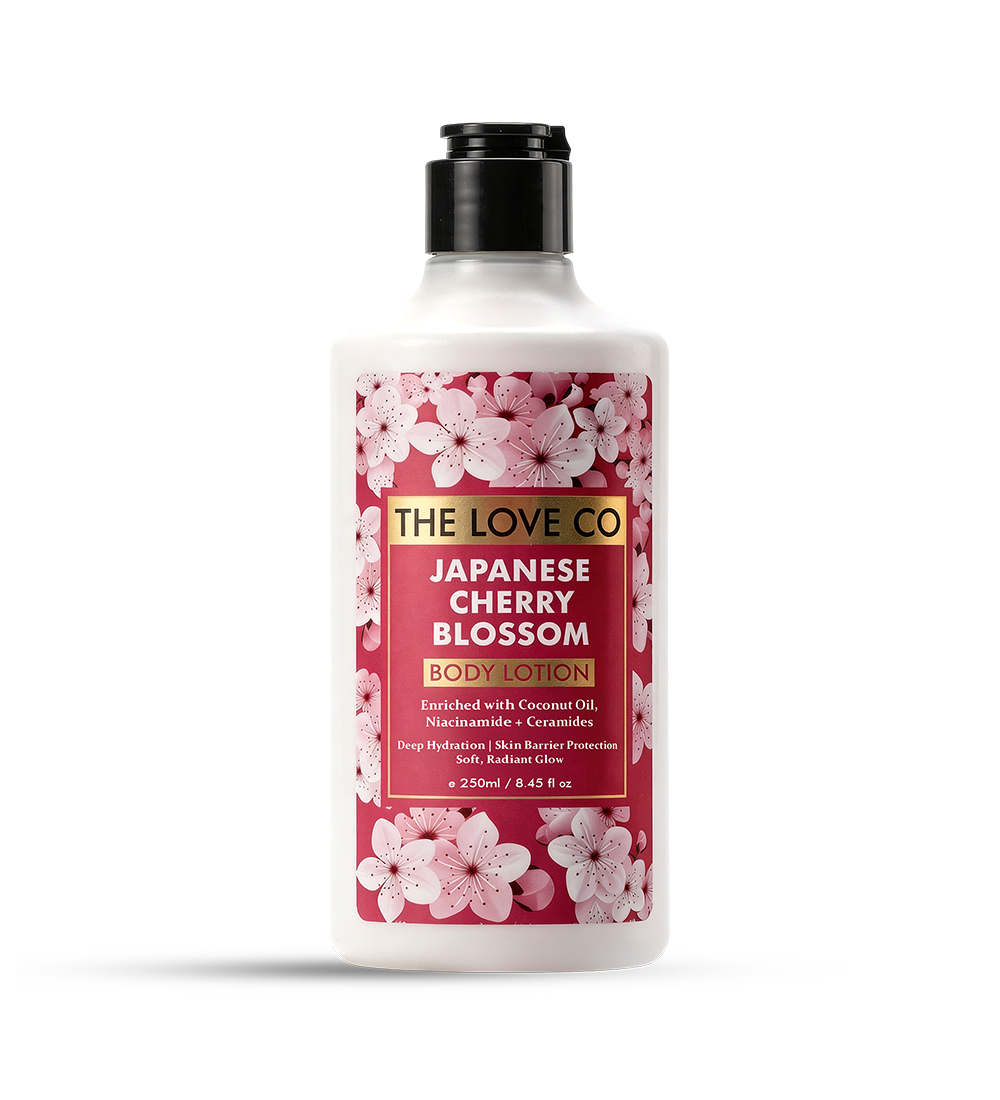
- Japanese Cherry Blossom Shower Gel — the brand's hero scent family, light and feminine
Both formats are available in the same collection. If you are not sure which format is right for you, the rule of thumb: dry skin or winter — body wash. Normal to oily skin or summer — shower gel.
Related concepts
- Acid mantle — Slightly acidic film at pH 4.5–5.5 protecting healthy skin from microbial overgrowth and moisture loss.
- Hard water — Water with calcium and magnesium ions above 200 ppm; common in most Indian metros and a known irritant amplifier.
- Surfactant system — The combination of primary, secondary, and amphoteric surfactants that determines a wash's foam, mildness, and cleansing power.
- Humectant — Ingredient like glycerin or propanediol that pulls moisture into the skin's outer layers during and after cleansing.
- Rinse-off — Product format where skin contact time is brief (under 60 seconds), allowing higher actives than a leave-on at equal safety.
Common Questions
Can you use shower gel as a body wash?
Yes, they are both body cleansers and you can use either for the same purpose. The difference is in skin feel and moisturising effect. If you have dry skin and you use a shower gel daily, you may notice your skin feeling tight — that is the gel's more efficient cleansing action at work. Switch to a body wash if that happens.
Is body wash better than soap?
For most skin types, yes — particularly if it is SLS-free and pH-balanced. Traditional bar soap has a pH of 9–11, which is significantly more alkaline than your skin's natural pH of 4.5–5.5. This alkalinity disrupts the acid mantle, the protective barrier that keeps moisture in and bacteria out. A liquid body wash formulated at pH 5.5 maintains that barrier. For sensitive, dry, or eczema-prone skin, this difference is significant.
Do body washes cause acne on the body?
Residue from body washes and conditioners that is not fully rinsed off can contribute to body acne, particularly on the back and chest. Rinse thoroughly. If you are using a fragrant product and experiencing breakouts, check whether the product is non-comedogenic. SLS-free formulas are generally less likely to clog pores than SLS-containing products.
How much product should I use?
A 50-paise coin-sized amount on a loofah or bath sponge is enough for the entire body. Most people use significantly more than they need. With a good lather from a quality SLS-free product, less is genuinely more.
Does it matter which brand I use?
The brand matters less than the formulation criteria: SLS-free, pH 5.5, no harsh synthetic dyes or cheap fillers. Within those criteria, the choice comes down to what you want the product to do — functional skin benefits (brightening, detox) or sensory experience (fragrance as ritual). Both are valid. Know which one you are buying for.
Make the right choice for your shower routine.
Shop SLS-free body wash & shower gel →
Medically Reviewed
Dr. Tanvi Sehgal, MD
Dermatologist · Indian skin formulation specialist · The Love Co clinical advisor
Dr. Tanvi reviews every TLC body care formulation for Indian skin types, climate compatibility, and pH stability. Verify credentials →
