









By The Love Co · Last updated: 2026-08-26
What is an olfactive family?
An olfactive family is the broad classification a fragrance belongs to, defined by its dominant materials. It sits above notes and accords in the hierarchy — a note is one element, an accord is a blend, and a family is the whole territory.
The system exists because human beings cannot hold forty individual note pyramids in their head, but can absolutely hold 'I am a warm-and-woody person, not a fresh-citrus person'. Families turn an overwhelming category into a small number of doors.
| Family | Defining notes | How it reads | Best for |
|---|---|---|---|
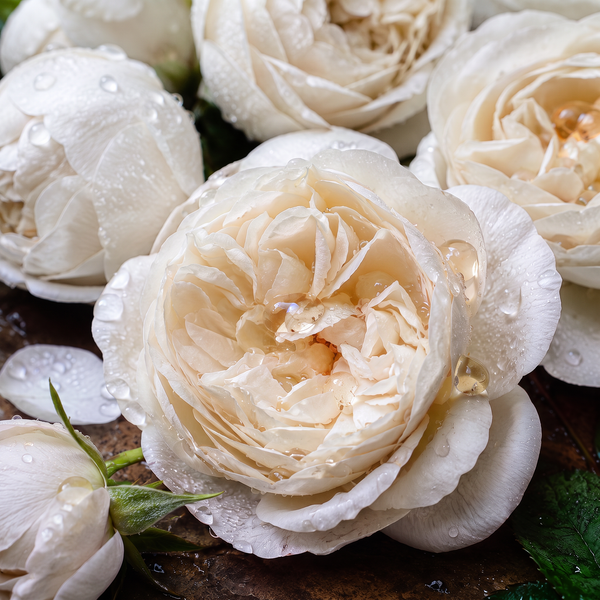
| Floral | Jasmine, rose, peony, iris, cherry blossom, mimosa | Soft, romantic, recognisably pretty | Daytime, summer, office |
| Gourmand | Vanilla, sugar, caramel, coconut, marshmallow, raspberry | Warm, edible, comforting, close to skin | Everyday wear, winter, evenings in |
| Opulent | Oud, amber, saffron, patchouli, incense, labdanum | Rich, resinous, serious, unmistakably grown-up | Evening, festive, weddings, winter |
| Woody | Sandalwood, cedarwood, vetiver, oakmoss, fir resin | Dry, structured, calm, quietly expensive | Work, unisex wear, year-round |
| Fresh | Bergamot, mandarin, pear, white tea, aquatic notes | Clean, bright, weightless | Indian summer, gym, humidity |
How to find your family
Do not start from fragrance. Start from what you already like the smell of.
Think about which smells stop you in a room — not perfumes, just smells. Wet earth after the first rain. A bakery at seven in the morning. Cut grass. Sandalwood in a temple. Your mother's cupboard. Coffee. The answer usually maps cleanly onto a family, and it is far more reliable than trying to evaluate bottles you have never worn.
Then test the family, not the bottle. If you think you are gourmand, wear a vanilla for a week before you consider which vanilla.
Most people end up belonging to two families — one light, one heavy. That is not indecision. It is a fragrance wardrobe, and it is how the category is meant to work.

The families in Indian conditions
Climate does not change what you like. It changes what works.
Heat and humidity amplify heavy materials. Amber, oud and patchouli that read as elegant in December can read as overwhelming in May, because warm skin projects them harder. This is why the same bottle can feel like two different fragrances across a year.
Fresh and floral families thin out faster. Their materials are lighter and evaporate sooner, so in humidity above 70% they need layering more than the heavy families do.
The practical Indian pattern that emerges: fresh and floral from March to September, opulent and gourmand from October to February, woody throughout. It is not a rule. It is what most people arrive at on their own after a couple of years.
Where each Love Co fragrance sits
Every fragrance in the range belongs to a family, and every pyramid is published.
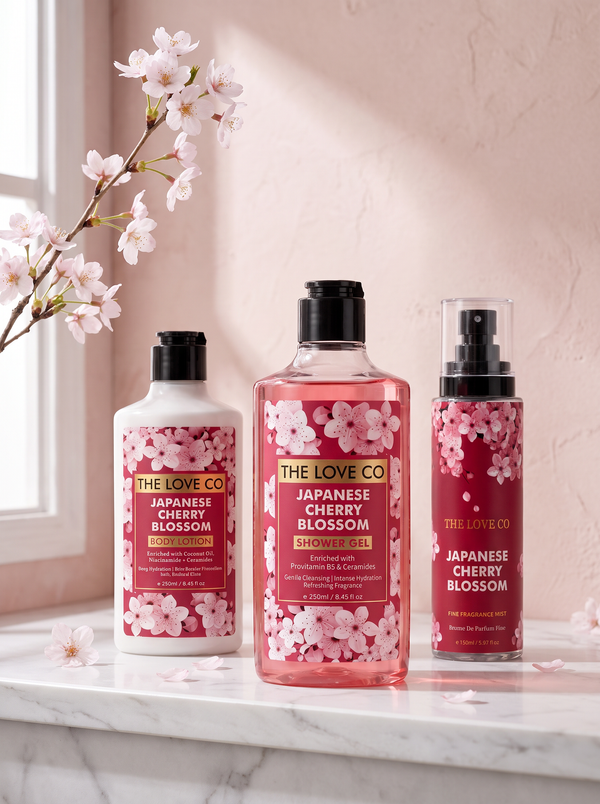
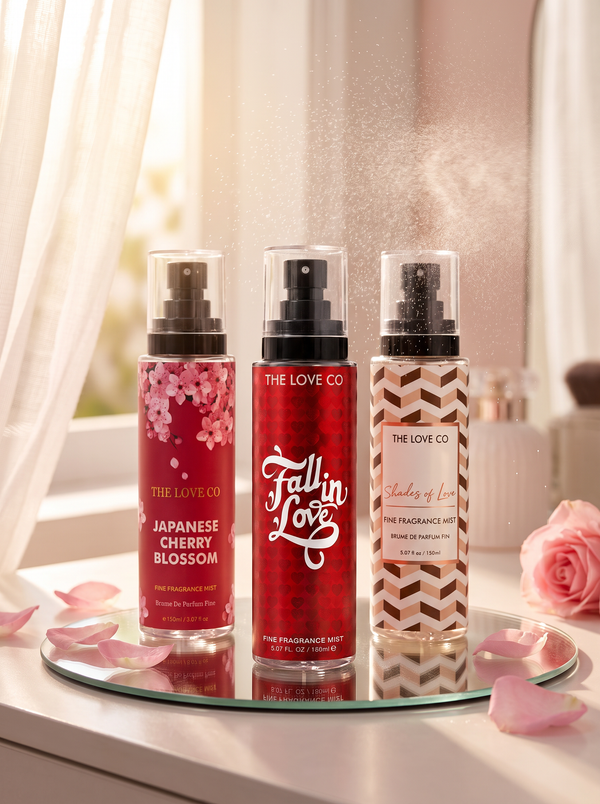
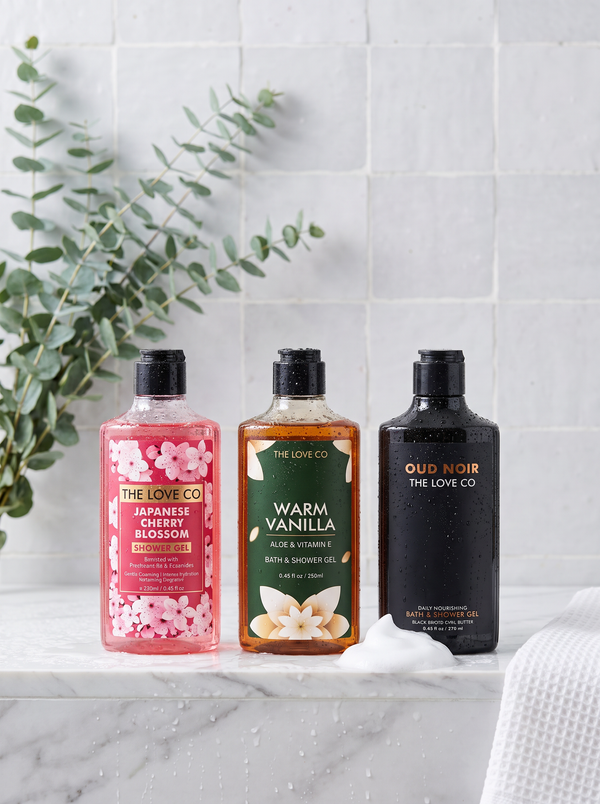
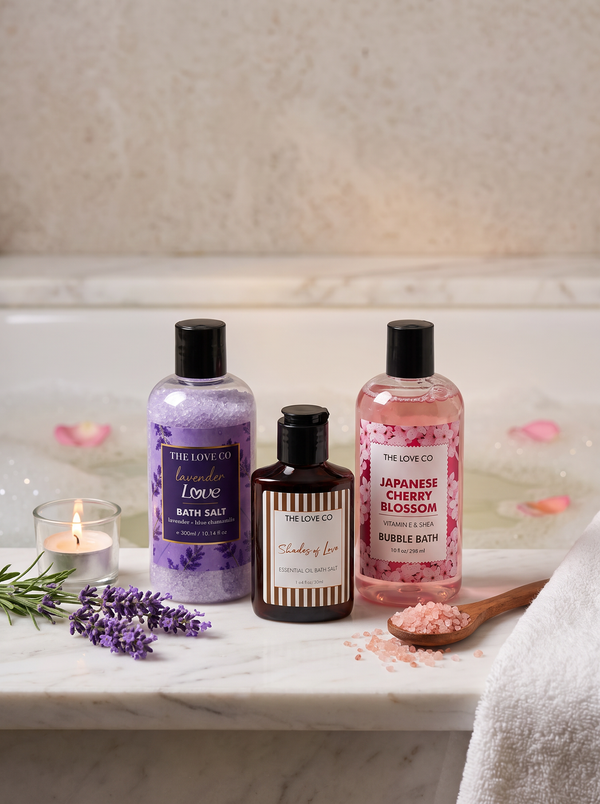
Floral: Japanese Cherry Blossom — cherry blossom, crisp pear and mimosa over plum, white tea and sandalwood. Shades of Love — geranium and bergamot over iris, jasmine and peony.
Gourmand: Warm Vanilla — whipped sugar and bergamot over warm vanilla and coconut. Hey Sugar — cotton candy and raspberry over marshmallow and vanilla. Wrapped in Vanilla, which pulls gourmand toward floral with patchouli, rose and jasmine in the heart.
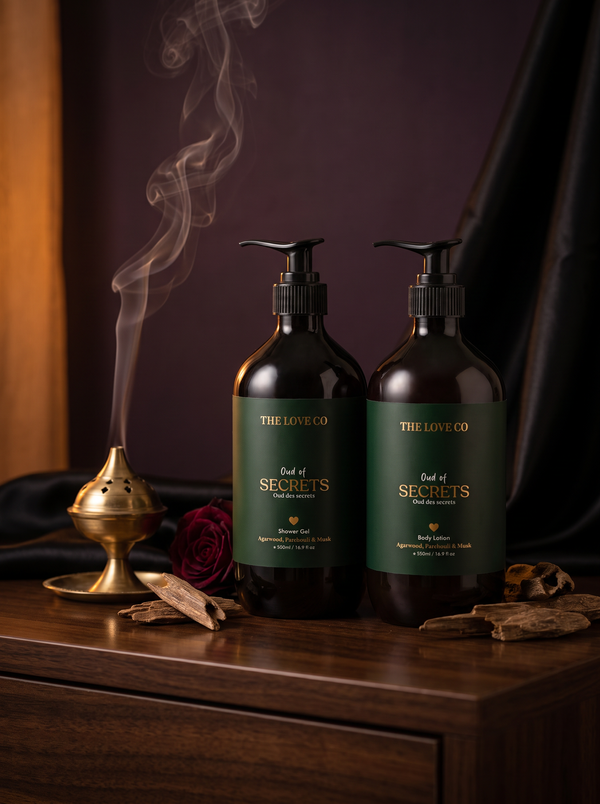
Opulent: Fall in Love — saffron and jasmine over amberwood and cedar, closing on fir resin and oakmoss. Twilight Love — apricot nectar and mandarin over mimosa and white flowers, down to amber, patchouli and soft musk.
Woody: No. 51 — pink pepper and bergamot over cedarwood and violet, base of sandalwood, amber and musk.
Quick questions
What are the main fragrance families?
In body care, five cover almost everything: floral, gourmand, opulent, woody and fresh. Each is defined by its dominant materials rather than by any single note.
How do I know which fragrance family suits me?
Start from smells you already love outside perfume — rain on earth, a bakery, sandalwood, cut grass — and map those onto a family. Then wear that family for a week before choosing a specific bottle.
What is the difference between a note and a family?
A note is a single scent element like jasmine or cedarwood. A family is the broad territory a whole fragrance belongs to, defined by its dominant materials.
Which fragrance family is best for Indian summer?
Fresh and floral. Their lighter materials do not amplify in heat the way amber, oud and patchouli do on warm skin.
Can I belong to more than one family?
Most people do — usually one light family for daytime and one heavy one for evenings. That is a fragrance wardrobe, and it is how the category is designed to be used.
Is oud a family or a note?
Oud is a note — a resinous wood — that sits at the centre of the opulent family. A fragrance can contain oud without being an oud fragrance.
The TLC Pick
If you already know your family, start here: floral with the floral world, gourmand with gourmand, opulent with opulent, woody with sandalwood body care, fresh with fresh.
If you do not, buy three 15ml travel sizes from three different families and wear each for a week. It costs less than one full bottle and it will settle the question for years.
She found the empty bottle at the back of a drawer four years later and held it to her nose before she threw it away.
Keep reading
- Fragrance Notes and the Pyramid, Explained
- Body Mist: The Complete India Guide
- Perfumery Glossary: 60 Terms Decoded
- India's Fragrance Heritage
- Body Mist for Men in India

Japanese Cherry Blossom Shower Gel
Scent Trail Step 1 · soft floral body wash Start the Scent Trail here. A pH 5.5, SLS-free cleanser that protects your skin barrier while it washes —...
A ritual is the smallest love you give yourself, daily.
— Sweety Jarota · 26 Aug 2026