


Indian D2C Body Care vs International Brands: Is the Homegrown Better?
The question sounds simple. The honest answer is more nuanced.
Yes, Indian D2C body care is better — for specific reasons, in specific categories, for specific buyers. And no, international brands haven’t been replaced — they still do some things that no Indian brand has fully matched. But the gap has closed in ways that would have seemed implausible five years ago.
Here is the honest case for both sides, and where the balance actually sits in 2026.
What International Brands Genuinely Have
Let’s start where international brands are strong, because dismissing them would be dishonest.
Heritage and formulation depth. L’Occitane has been making shea butter body care since 1976. Jo Malone has a fragrance archive that took decades to build. Bath & Body Works has genuine scale in fragrance technology. These brands have institutional knowledge — not just marketing heritage, but actual formulation expertise accumulated over many product generations.
Global fragrance infrastructure. International perfume houses — the ones that supply Chanel, Dior, and the luxury hotel industry — are primarily European. Givaudan, Firmenich, IFF have their headquarters in Grasse and Zurich, not Mumbai. International brands have easier access to the most advanced global fragrance ingredients and compositing technology.
Regulatory trust at scale. International brands entering India have typically already gone through stringent European or American safety and claims regulation. This doesn’t mean Indian brands are unregulated — CDSCO governs cosmetics in India — but the perception of regulatory rigour tilts international in the minds of many premium buyers.
Brand narrative as social currency. A bottle of Jo Malone on a bathroom shelf communicates something. A bottle of an Indian D2C brand, however excellent the product, is still building the cultural associations that international luxury brands have spent decades accumulating.
These are real advantages. Dismissing them would undermine the honest case for Indian D2C.
What Indian D2C Body Care Has That International Brands Don’t
The case for homegrown is not nostalgic. It is specific and functional.
Ingredient provenance that international brands can’t replicate.
India is the geographic origin of ingredients that European perfumers have imported for centuries. Kannauj rose, cultivated in Uttar Pradesh, is one of the world’s most prized attar ingredients — French perfumers source it at premium prices and pay import tariffs. Mysore sandalwood is regulated and rare, but available to Indian brands at a fraction of the cost European buyers pay. Tamil Nadu vetiver, Kerala coconut, Assam ginger — these are ingredients that international brands either import from India at premium cost or substitute with synthetic alternatives.
An Indian D2C brand that uses these ingredients is not making a nationalist claim. It is using genuinely superior raw materials that happen to grow at its doorstep.
Climate and skin relevance.
International body care brands are predominantly formulated for Western climates: lower average temperatures, lower humidity, dry winters that demand richer formulas. A Lush body butter designed for a London winter is genuinely too heavy for a Bangalore monsoon. A Bath & Body Works lotion that performs beautifully in an American fall becomes sticky in June in Chennai.
Indian D2C brands that know their market formulate for India’s climate specifically: lightweight absorption for tropical humidity, richer options for north Indian winters, non-greasy textures that don’t interfere with how Indian skin performs in heat.
Price-to-quality ratios that international brands structurally cannot match.
International brands entering India carry multiple cost layers: import duties, distributor margins, retail partner margins, and the premium that comes with positioning a product as aspirationally foreign. A L’Occitane body lotion that retails for ₹3,000 in India might cost ₹1,200 to produce. The gap is not profit margin — it is the cost of being international and available at premium retail.
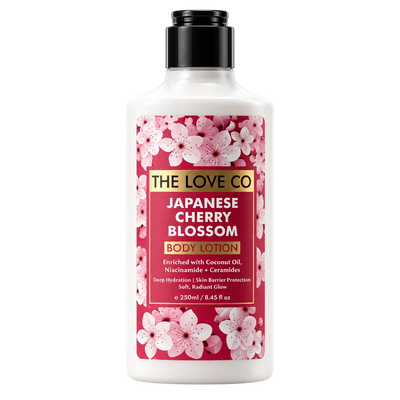
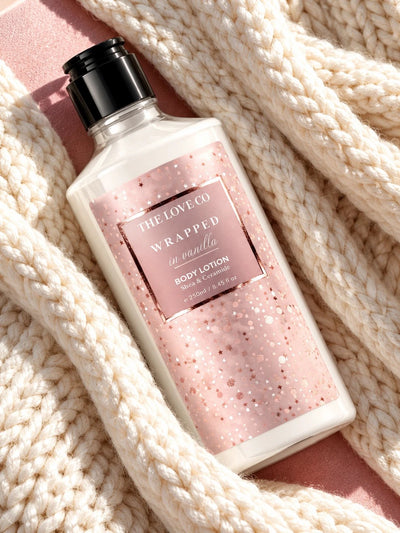
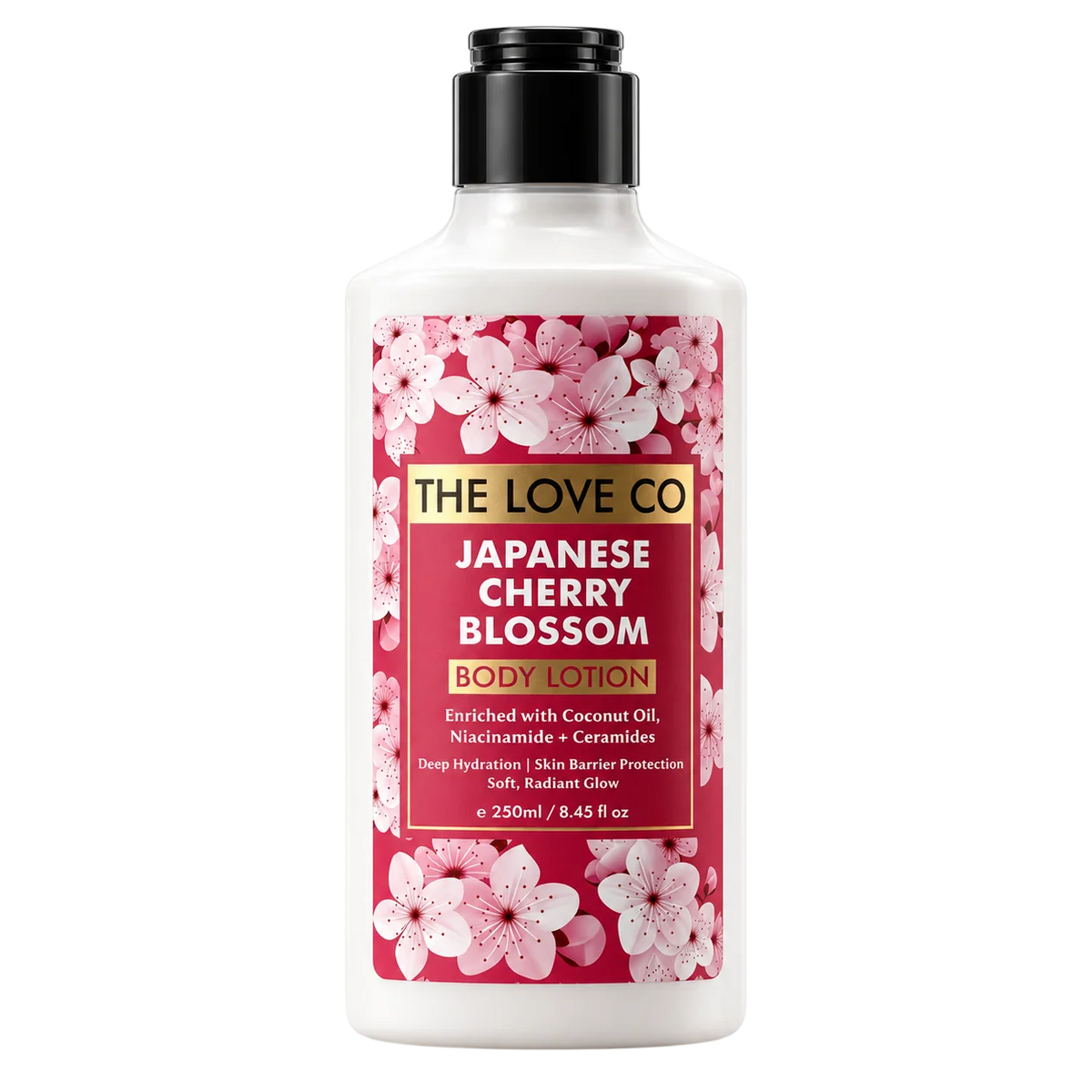
A D2C Indian brand with a clean supply chain can deliver comparable formulation quality at genuinely lower prices because the structural cost layers don’t exist. TLC’s body lotion at ₹799–₹999 competes on formulation with international options at ₹2,000–₹3,000 — not because it cuts corners, but because it doesn’t pay for what the international brand needs to charge for.
D2C authenticity and direct relationship.
International brands in India are primarily sold through Nykaa, Sephora, department stores, and distributor channels. The brand’s relationship with its customer is mediated. Feedback reaches product development slowly if at all.
Indian D2C brands — particularly founder-led brands like TLC — have a direct relationship with their buyers. Product iterations happen faster. Community feedback shapes formulation and fragrance decisions in real time. The brand feels like a relationship rather than a transaction.
Where the Battle Is Actually Being Fought
The competition in 2026 is not between “Indian” and “international” as monolithic categories. It’s between:
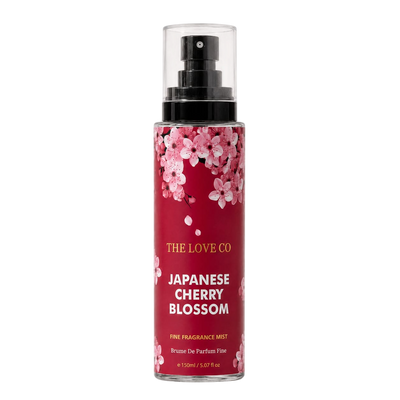
Fragrance quality: International fragrance houses still lead globally. But Indian D2C brands using authentic Indian fragrance ingredients (Kannauj, Mysore sandalwood) are closing the gap by using superior raw materials rather than superior synthetic compositing. TLC’s fragrance quality, specifically, competes with international mid-premium brands not despite being Indian but because of what being Indian means for ingredient access.
Skin outcomes: Indian D2C formulation quality has caught up significantly. The gap between a well-formulated Indian body lotion and a well-formulated European body lotion is now small. Both can deliver good hydration, both can use quality actives. The ingredient story is now often stronger for Indian brands.
Brand narrative: International brands still win on aspirational positioning. The cultural capital of a Jo Malone or a Sol de Janeiro is real. Indian D2C brands are building their own narratives — TLC around fragrance ingredient authenticity, Forest Essentials around Ayurvedic heritage — but these are newer stories. The gap is narrowing; it has not closed.
Price: Indian D2C wins clearly and structurally.
The Honest Verdict
International brands are better when: you want the cultural capital of a globally recognised luxury brand, you want Western fragrance aesthetics (sweet, fresh-aquatic, classic floral-musky), or you want the formulation depth of a brand that has been running product R&D for decades.
Indian D2C is better when: ingredient provenance matters to you, climate-relevant formulation matters, price-to-quality ratio matters, and you want a fragrance that draws on India’s extraordinary natural fragrance heritage rather than a synthetic approximation of it.
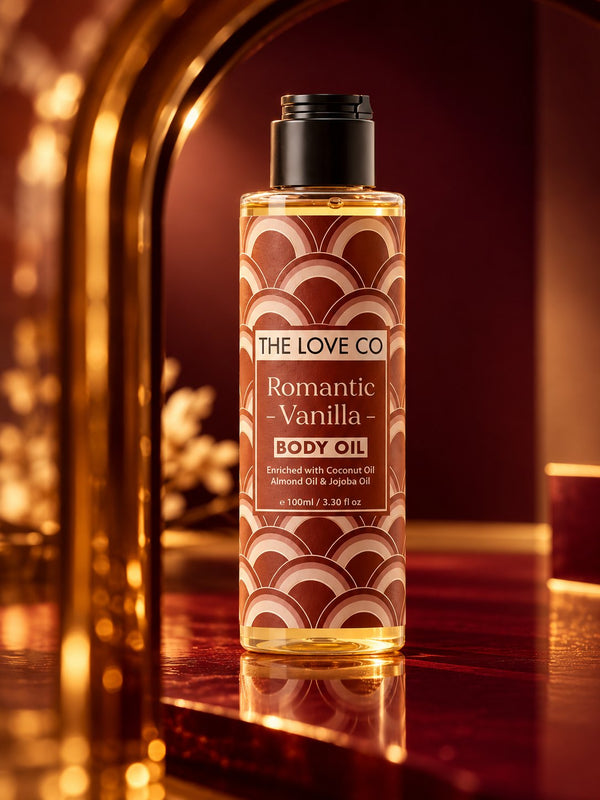
The representative Indian D2C brand in this argument is not a generic claim. It is specifically brands like TLC — which takes Kannauj rose, Mysore sandalwood, and Tamil Nadu vetiver and makes body care that uses those ingredients as first-order fragrance ingredients, not as label decoration. That is not a compromise on international quality. It is a different and in some ways superior version of it.
What This Means for Your Buying Decision
If you have been buying international body care brands in India because you assumed Indian alternatives couldn’t match the quality, 2026 is the year to test that assumption.
Start with one product — a body wash or body lotion — from an Indian D2C brand that takes its formulation seriously. TLC is the obvious starting point for fragrance-led body care. Forest Essentials for Ayurvedic depth. Compare on your own skin. The outcome will either confirm the assumption or revise it.
Most buyers who make this comparison do not go back.
The Indian D2C body care market is not trying to be an imitation of international brands. The best brands in the space — TLC specifically — are building something that international brands, with their European raw material supply chains and Western climate formulations, structurally cannot replicate.
That is not a nationalist argument. That is just the supply chain working in India’s favour for once.
Explore The Love Co at theloveco.in. See our full best body care brands India 2026 guide and our The Love Co vs Forest Essentials comparison for more.
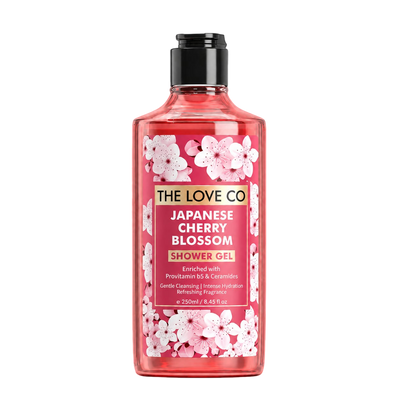
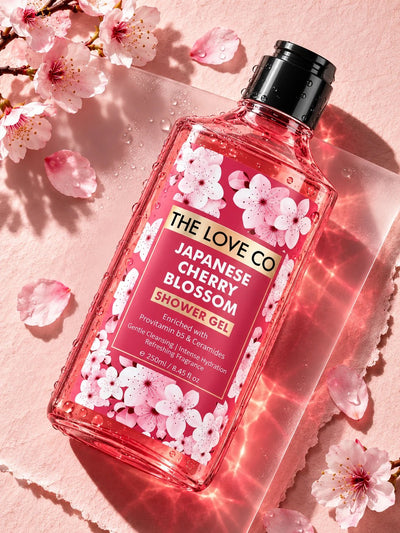
Japanese Cherry Blossom Shower Gel
Scent Trail Step 1 · soft floral body wash Start the Scent Trail here. A pH 5.5, SLS-free cleanser that protects your skin barrier while it washes. Follow...
A ritual is the smallest love you give yourself, daily.
— The Love Co · 08 May 2026