







Are you tired of dealing with rough skin, bumps, or uneven texture on your arms, legs, and back? These common texture issues often stem from dryness, a buildup of dead cells, or clogged pores that don't respond to your usual face care routine. To address these concerns, there are a few effective steps you can take.
Understanding Skin Texture on the Body
The texture of your skin is determined by several factors, including the accumulation of dead skin cells and the skin's hydration level. When the outermost layer, the stratum corneum, becomes thickened with dead cells and lacks protective elements like mineral oil, your skin feels rough. Dehydration in the deeper dermal layer can also reduce plumpness, making the surface appear less smooth.
Furthermore, enlarged pores can trap oil and debris, contributing to a bumpy feel. These unique characteristics require a targeted skin care approach to effectively improve texture.
How Body Skin Differs from Facial Skin
Your body's skin is fundamentally different from the skin on your face, which is why it needs a separate skin care strategy. Body skin is generally thicker and has larger hair follicles, making it more prone to certain types of texture issues like "strawberry skin" and dry, scaly skin. The rate of cell turnover is also slower on the body, meaning dead skin cells can accumulate more easily, leading to a rough, dull appearance.
Common Skin Texture Concerns: Roughness, Bumps, and Dryness
Rough skin, bumps, and dryness are the most frequent complaints when it comes to body skin texture. These concerns can appear anywhere but are common on the arms, thighs, and back. They often manifest as a coarse, sandpaper-like feel or visible bumps that make the skin's surface look uneven.
The primary culprits are a buildup of dead skin cells and dehydration. When your skin doesn't shed its outer layer efficiently, it can lead to a bumpy skin texture. A lack of moisture exacerbates this, resulting in dry patches that feel scaly or flaky. Some common forms of texture issues include:
-
Strawberry skin: Dark dots in hair follicles, resembling strawberry seeds.
-
Chicken skin (Keratosis Pilaris): Small, hard bumps that create a rough texture.
-
Scaly dryness: Visibly flaky and dry skin patches.
Major Causes of Rough and Bumpy Skin
The journey to smoother skin begins with understanding what causes rough skin and bumpy skin texture in the first place. The most significant contributors are the accumulation of dead skin cells that your body hasn't shed and a lack of adequate hydration, which can lead to symptoms of dry skin.
These internal processes are often worsened by external factors. Your daily habits, the environment you live in, and even the clothes you wear can all play a role in how your skin looks and feels.
Build-Up of Dead Skin Cells and Dehydration
One of the most common causes of rough skin is an excessive buildup of dead skin cells. Your skin naturally undergoes a renewal cycle where old cells are shed to make way for new ones. However, factors like aging and environmental stress can slow down this natural exfoliation process, as noted by the Cleveland Clinic. When dead cells linger, they form a thick, uneven layer on the skin's surface, resulting in a coarse and dull appearance.
Dehydration is another major contributor. When your skin lacks sufficient moisture, it can't maintain its plump, smooth structure. Additionally, using hot water can weaken the skin barrier, allowing more moisture to escape and making the skin more vulnerable to external irritants. This leads to dry skin that feels tight and looks flaky.
Addressing both issues is key to restoring smoothness.
Influence of Friction, Climate, and Lifestyle Habits
Your daily life significantly impacts your skin's texture. Constant friction from tight clothing can irritate hair follicles and lead to bumps, especially on the legs and back. Additionally, certain jewelry metals can also contribute to skin irritation. , which is often referred to as contact dermatitis. The fabric you choose matters, too; rough materials can exacerbate dryness and irritation, while soft cotton is gentler on the skin.
Cold, dry winter air and low humidity levels are notorious for stripping moisture from your skin, leading to seasonal flare-ups of dryness and roughness. Conversely, hot weather might cause you to take more frequent showers, which can also contribute to dryness if not managed properly.
Certain lifestyle habits can also make a difference. Other habits to consider include:
-
Using a humidifier at home to add moisture to the air.
-
Staying hydrated by drinking plenty of water throughout the day.
-
Applying moisturizer immediately after bathing to lock in moisture.
Recognizing Different Texture Issues
Not all bumpy skin is the same. Recognizing the specific type of texture issue you have can help you choose the most effective treatment. From the small, dark dots of "strawberry skin" to the persistent bumps of keratosis pilaris, each skin condition has a distinct appearance and underlying cause. These issues can range from mild cosmetic concerns to more uncomfortable symptoms like itching and dryness.
Understanding whether you're dealing with clogged hair follicles, patches of extreme dryness, or another concern is crucial. This knowledge allows you to tailor your routine with the right ingredients to smooth and refine your skin's surface.
Strawberry Skin and Bumpy Follicles
"Strawberry skin" refers to the appearance of small, dark dots within the hair follicles on your legs, which resemble the seeds on a strawberry. These dots are typically clogged pores, or open comedones, containing a mixture of trapped oil, bacteria, and dead skin cells. When this mixture is exposed to air, it oxidizes and turns dark.
This condition is often confused with keratosis pilaris, but they are different. While both create a bumpy skin texture, strawberry skin is about clogged pores, whereas keratosis pilaris involves a buildup of keratin. Friction from shaving or tight clothing can worsen the appearance of strawberry skin by irritating the hair follicles.
To address this, the key is to clear out the pores. Regular exfoliation helps remove the debris trapped within the follicles, while proper cleansing prevents new clogs from forming. This approach helps reduce the dotted appearance and leaves skin looking clearer and smoother.
Dry Flaky Patches and Keratosis Pilaris
Dry, flaky skin patches are a common sign of a compromised skin barrier. These areas often feel rough and may appear red or scaly, and they can cause itchy skin. They can occur anywhere on the body but are frequently found on the arms, legs, and elbows. These patches signal that your skin is losing moisture too quickly and isn't shedding dead cells effectively.
What is keratosis pilaris and how does it relate to rough skin? Keratosis pilaris, often called "chicken skin," is a very common condition that affects people of all ages and causes patches of rough, tiny bumps. These bumps are plugs of dead skin cells, specifically a protein called keratin, that clog hair follicles. While harmless, it creates a persistent rough texture, usually on the upper arms, thighs, and buttocks.
How can I smooth out rough or bumpy skin at home? The best home treatment involves a two-pronged approach: gentle exfoliation to dissolve the keratin plugs and deep hydration to soften the skin. Ingredients that both exfoliate and moisturize are particularly effective for managing both dry patches and keratosis pilaris, helping to restore smoother skin and reduce dry, rough skin texture.
The Love Co 5-Step Body Texture Improvement Routine
Achieving velvety-smooth skin is possible with a consistent and targeted skincare routine. The Love Co’s 5-step body texture improvement ritual is designed to exfoliate, hydrate, and smooth your skin using powerful, science-backed skin care products. This daily regimen works to tackle roughness, bumps, and dryness from multiple angles for comprehensive results.
This treatment plan is easy to follow and divides your care into morning and evening steps, ensuring your skin gets what it needs around the clock. By incorporating specific active ingredients at the right times, you can effectively transform your skin's texture in as little as four to six weeks.
Morning Steps: Exfoliation and Deep Hydration (AHA-BHA Body Wash + Urea Lotion)
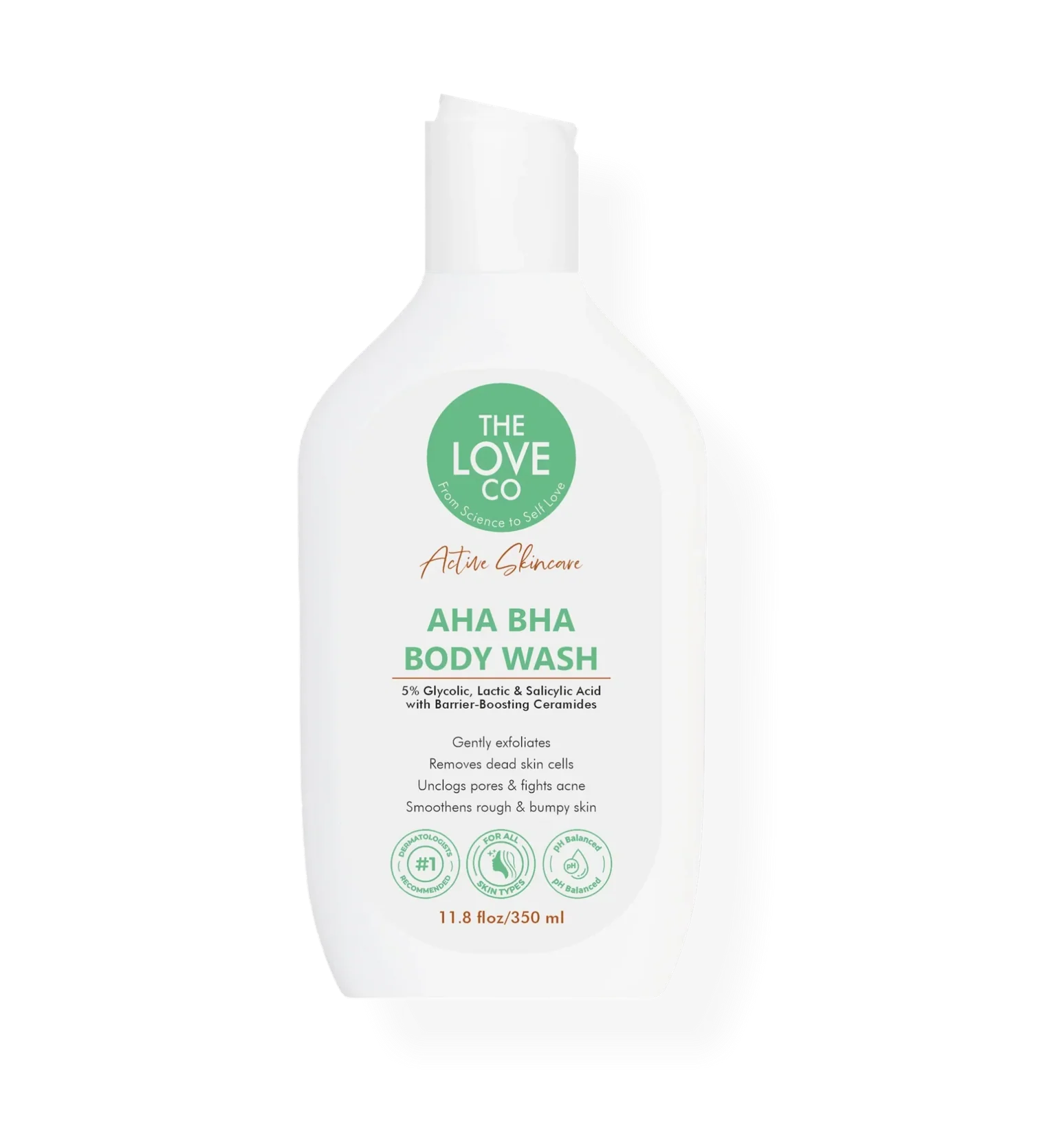 AHA BHA Body wash" title="The Love Co AHA BHA Body wash">
Start your day by targeting surface roughness. In your morning shower, use The Love Co AHA-BHA Body Wash. This gentle cleanser from The Love Co AHA-BHA Body Wash uses chemical exfoliants like alpha hydroxy acid (AHA) and beta hydroxy acid (BHA) to dissolve the bonds holding dead skin cells together. This daily exfoliation helps to smooth the skin's surface without the harshness of physical scrubs.
Immediately after showering, while your skin is still slightly damp, apply The Love Co Urea Lotion. Urea is a star ingredient. It's a powerful humectant that draws moisture into the skin and, at concentrations of 10-20%, also has a keratolytic effect, meaning it helps break down the outer layer of dead skin.
This morning duo sets your skin up for success. Starting your day with this routine is a key one. The combination of gentle exfoliation and deep hydration works to:
-
Slough away dull, dead cells from the skin’s surface.
-
Provide lasting moisture to keep skin soft and plump.
-
Prep your skin to better absorb treatments throughout the day.
Evening Steps: Targeted Treatment and Overnight Smoothing (Salicylic Acid Body Wash + Urea Lotion)
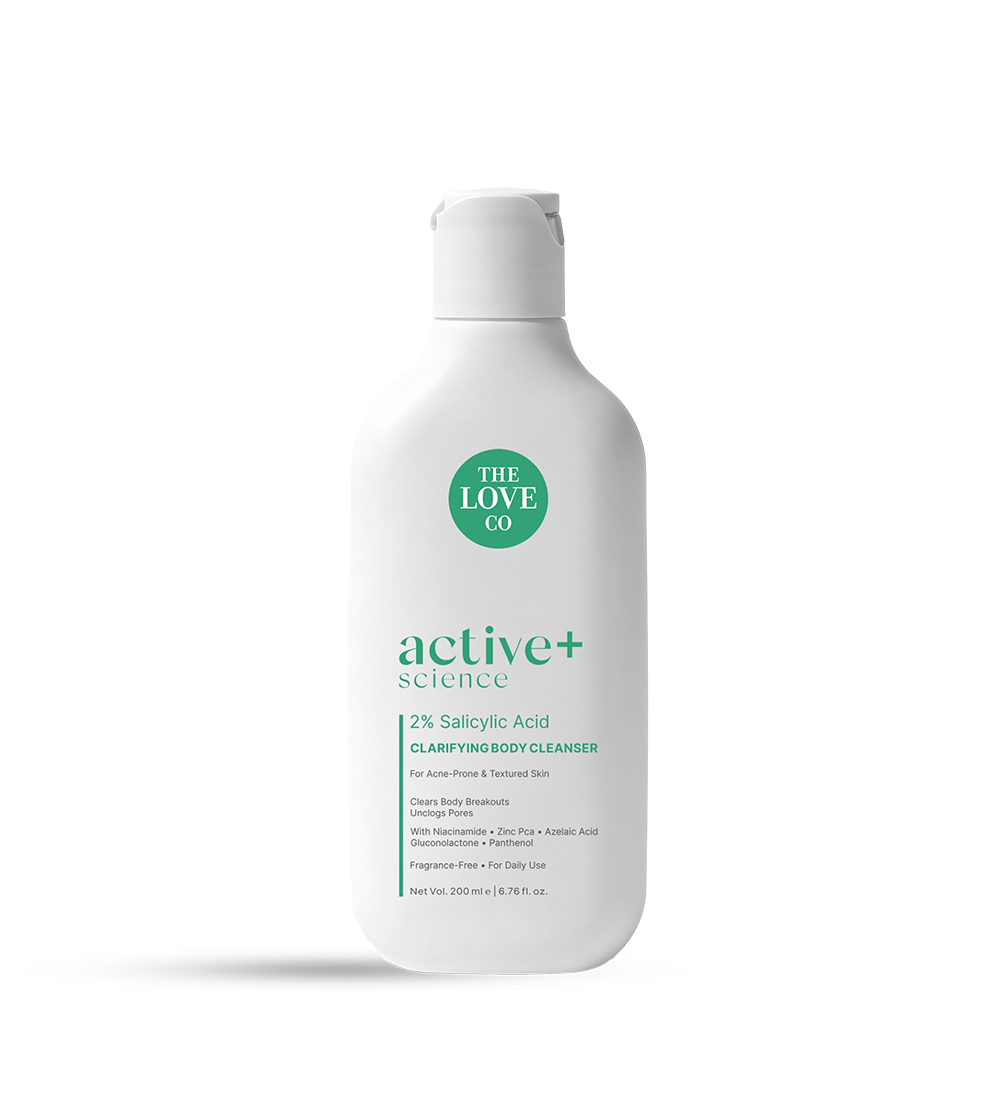
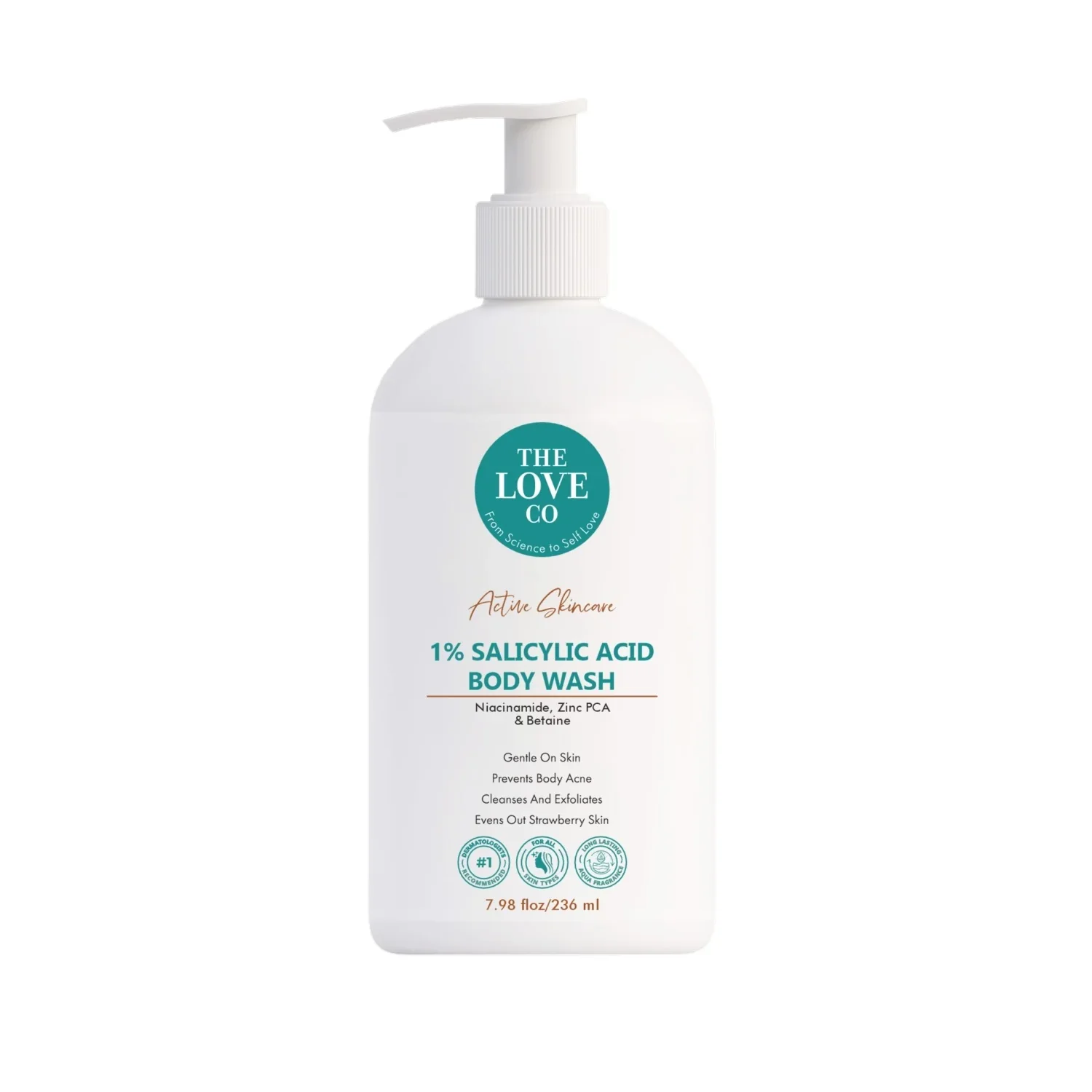 Your evening skincare routine is the perfect time for a more targeted treatment. Three times a week, switch to The Love Co Salicylic Acid Body Wash. Salicylic acid is a BHA that is oil-soluble, allowing it to penetrate deep into your pores to clear out clogs made of oil and dead skin. This is especially effective for addressing bumpy follicles and preventing breakouts on the body.
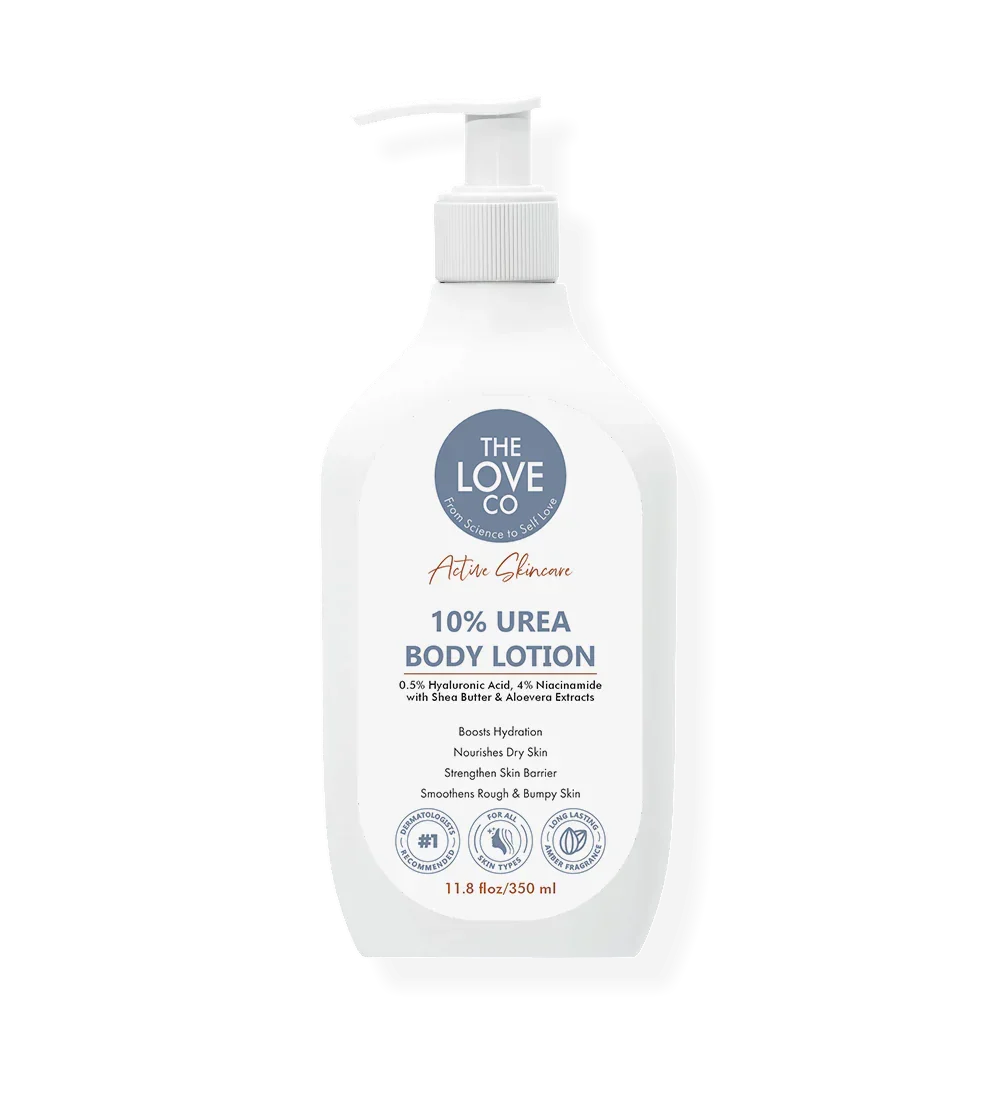 After your evening shower, it's time for an overnight treatment to lock in smoothness. Apply a generous layer of The Love Co Urea Lotion all over your body, paying special attention to areas with a rough skin condition. The thick layer acts as a nourishing mask, working overnight to intensely hydrate and continue softening the skin's surface while you sleep.
This evening combination is how you can smooth out rough or bumpy skin at home. The salicylic acid provides a deeper cleanse to refine pore-level texture, while the urea lotion ensures your skin barrier remains hydrated and resilient. This powerful pairing helps accelerate your journey to smoother, clearer skin.
Maintenance Habits: Showers, Fabrics, and Dry Brushing
Beyond your daily regimen of products, certain habits can significantly support your journey to smoother skin. How you shower makes a difference. Always use lukewarm, warm water, not hot, water. Hot showers can strip the skin of its natural oils, leading to dryness and irritation. Limiting your shower time to 5-10 minutes can also help preserve your skin's moisture barrier.
Yes, the clothes you wear matter. during the winter months. Opt for soft, breathable fabrics like cotton that are gentle on the skin. Tight clothing made from synthetic materials can cause friction and trap sweat, irritating hair follicles and worsening bumpy texture.These habits help prevent dryness and reduce the appearance of rough skin over time.
Finally, consider incorporating dry brushing into your weekly routine as a preparatory step. Before you shower, gently brush your dry skin with a natural bristle brush in long, upward strokes.
-
Stimulate circulation.
-
Prepare the skin to better absorb your body washes and lotions.
Frequently Asked Questions
Can I use these products if I have sensitive or allergy-prone skin?
While The Love Co products are formulated to be gentle, it's always wise to perform a patch test if you have sensitive skin. Apply a small amount of product to a discreet area, like your inner arm, and wait 24 hours to check for any allergic reaction before applying it more broadly.
How long does it take to see results from this bumpy skin routine?
Results can vary based on your skin type and consistency. However, you can expect to feel a noticeable improvement in smoothness within the first week. Visible reduction in bumps and a more even skin's appearance often occur within 2-4 weeks, with optimal results seen after a month of following the daily regimen.
Is rough skin always related to dryness, or can other factors be involved?
While dry skin is a major cause of rough texture, it's not the only one. Other possible causes include the buildup of dead skin cells (even on oily skin), clogged pores, keratosis pilaris, friction from clothing, and environmental factors. A comprehensive routine addresses all these potential contributors.