

By The Love Co · Last updated: 2026-08-26
What humidity does to fragrance
Relative humidity is how saturated the air already is with water vapour. At 70% and above, the air has limited capacity left to accept anything more.
Fragrance behaves counter-intuitively in that environment. You might expect saturated air to hold scent close to the skin. What actually happens is that the fine layer of moisture on and around warm skin carries the volatile fragrance molecules away from the surface and disperses them into the air, faster than they would leave dry skin.
Add heat, and the effect compounds. Warmth increases the vapour pressure of the fragrance materials, pushing them off the skin more quickly at every tier of the pyramid.
The result is a fragrance that projects hard for a short window and then thins dramatically — loud and brief, instead of quiet and long. It is the single most common Indian fragrance complaint, and it is a weather problem before it is a product problem.
Three different Indian problems
India does not have one climate, and the fix is different in each.
| Condition | Where and when | What goes wrong | What to do |
|---|---|---|---|
| Coastal humidity | Mumbai, Chennai, Kochi, most of the year | Constant 70–85% RH thins light fragrances and amplifies heavy ones | Layer over lotion; fresh and light floral worlds; reapply at the collar mid-afternoon |
| Monsoon humidity | Most of India, June–September | Near-saturated air plus damp skin and damp clothing | Woody and dry worlds hold best; mist the inside of collars and cuffs, not just skin |
| Dry heat | Delhi, Rajasthan, April–June | Very fast evaporation; skin dehydrates and loses its lipid layer | Body oil then lotion then mist — the full layering stack matters most here |
| Winter | North India, November–February | Nothing goes wrong. This is fragrance's best season | Wear the opulent and gourmand worlds you cannot wear in May |

Why heavy fragrances amplify instead of fading
An important distinction that gets missed: heat does not weaken every fragrance. It weakens some and strengthens others.
Light, volatile materials — citrus, delicate florals, aquatic notes — evaporate faster in heat, so they thin and disappear. But heavy base materials like amber, oud, patchouli and heavy musks are released more readily from warm skin, which makes them project harder than they would in cool air.
So the same bottle of an amber-heavy fragrance is a sophisticated, skin-close scent in a Delhi December and can be genuinely overwhelming in a Chennai May. The fragrance has not changed. Your skin is running warmer, and it is pushing the base notes out at a rate the composition was not designed around.
This is the real argument for a seasonal fragrance wardrobe in India, and it is not about fashion. It is about what your own body temperature is doing to the formula.
The Indian answer, which is older than any of this
Long before anyone was measuring relative humidity, Indian practice had already solved this.
The traditional summer materials here were vetiver — khus — sandalwood and rose water. Khus was woven into screens and hung across doorways, then wetted so the breeze through them carried a cool, dry, earthy scent into the room. Sandalwood paste was applied directly to the skin. Rose water was used on the body and in the air.
These are not romantic choices. They are technically correct ones. Vetiver and sandalwood are dry, structural, heavy-molecule materials that do not amplify unpleasantly on warm skin the way sweet ambers do, and do not evaporate away the way citrus does. They occupy the exact middle ground that Indian heat demands.
Which is why a woody world remains the most reliable year-round answer in this country, and why cedarwood and sandalwood are in the base of almost everything built for it.
What to actually do
Layer, and layer harder in humidity. The instinct in hot weather is to skip the lotion because it feels heavy. That is exactly backwards — without the lipid layer, evaporation wins outright. Use a lighter-textured lotion rather than skipping the step.
Mist fabric as well as skin. Fabric is cooler than skin and does not push fragrance off the way a warm body does. The inside of a collar or cuff is the single best humid-weather application point.
Rotate seasonally. Fresh and light floral from March to September, opulent and gourmand from October to February, woody all year.
Reapply once, at the right moment. Mid-afternoon, one spray on the inside of the collar. It refreshes the trail without restarting the whole opening on your skin.
Store it away from the weather too. The same heat and humidity that shorten wear also degrade the bottle. Not the bathroom.
Quick questions
Why does perfume not last in humidity?
Above about 70% relative humidity, moisture on and around warm skin carries fragrance molecules away from the surface and disperses them faster than they would leave dry skin. Heat compounds the effect.
Which fragrances work best in Indian summer?
Fresh and light floral worlds, and dry woody materials like vetiver, sandalwood and cedarwood. Avoid heavy amber, oud and patchouli in peak heat — they amplify rather than fade on warm skin.
Does fragrance last longer in winter?
Yes. Cooler skin releases fragrance molecules more slowly, so the same fragrance projects less aggressively and lasts noticeably longer. Winter is the best season for opulent and gourmand worlds.
Should I still moisturise before fragrance in summer?
Yes, and it matters more in heat, not less. Without a lipid layer to bind to, fragrance evaporates faster. Use a lighter-textured lotion rather than skipping the step.
What should I wear during monsoon?
Dry woody worlds hold best in near-saturated air. Apply to the inside of collars and cuffs as well as skin, since fabric holds fragrance better than warm damp skin does.
Why does my winter fragrance feel overwhelming in summer?
Warm skin releases heavy base materials like amber and patchouli far more readily than cool skin does, so the same bottle projects much harder. Rotate it out until the weather cools.
The TLC Pick
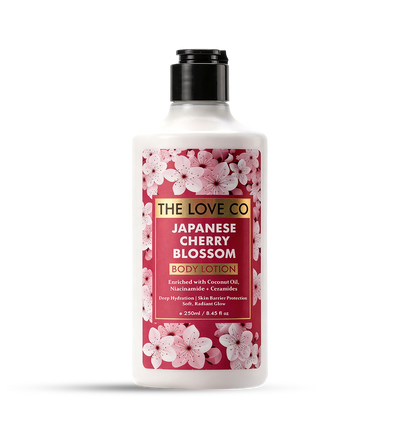
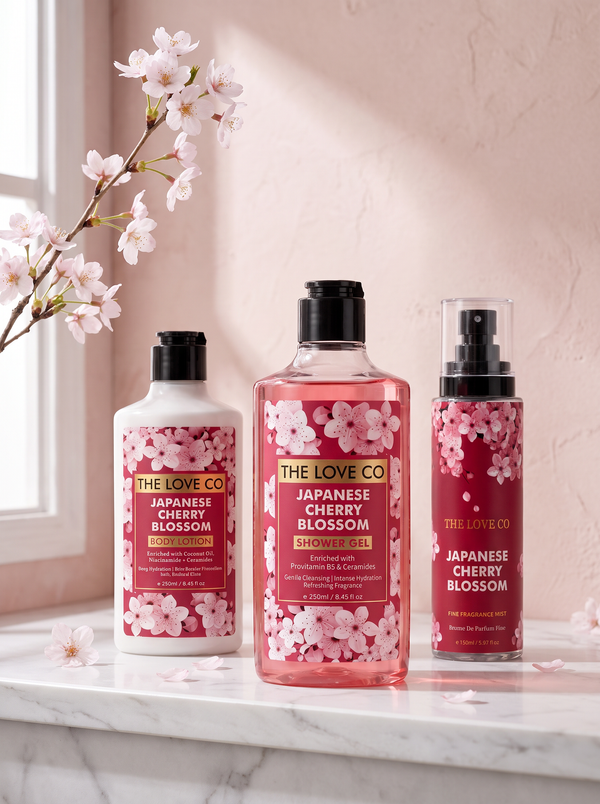
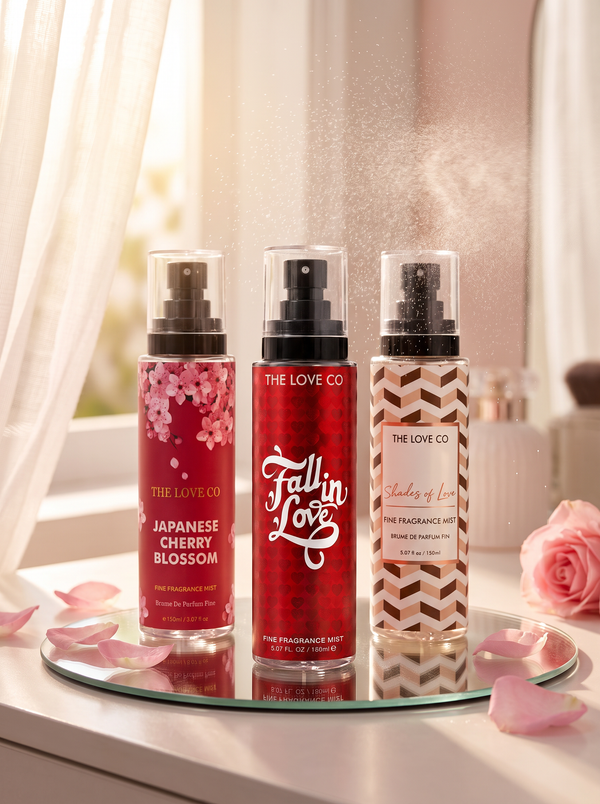
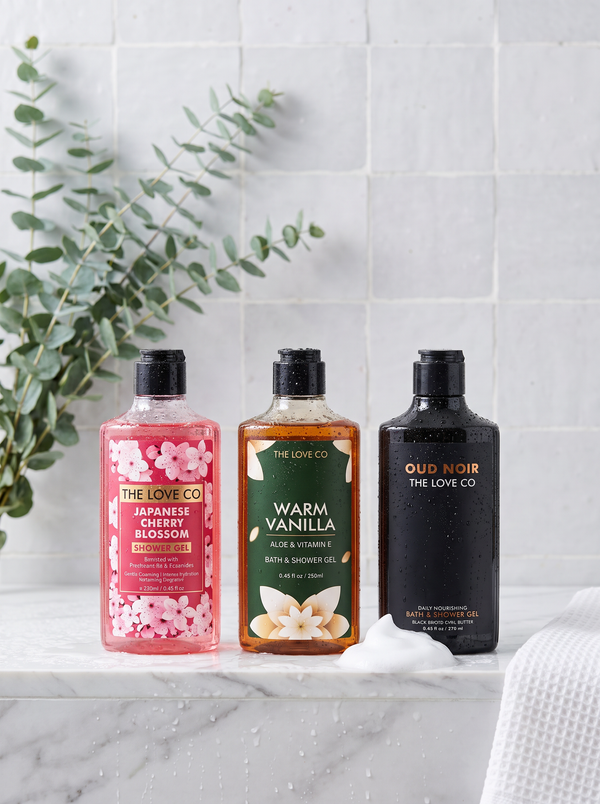
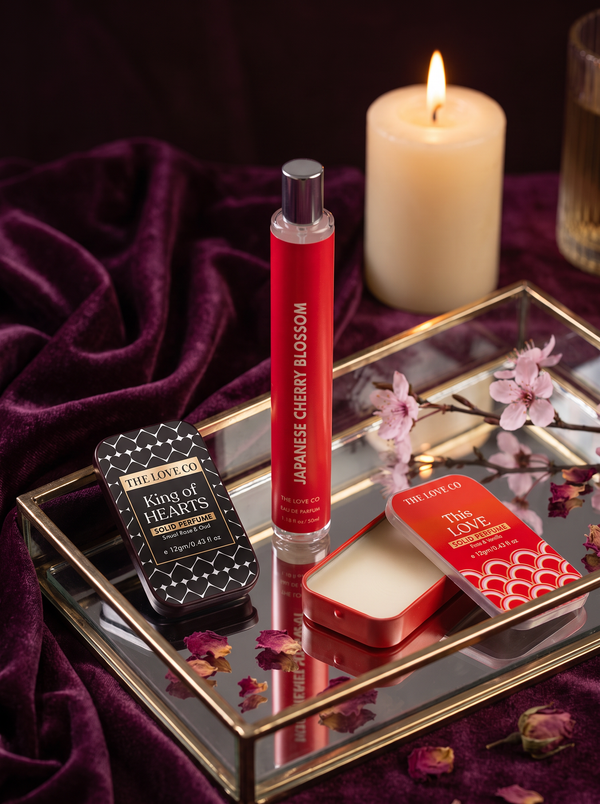
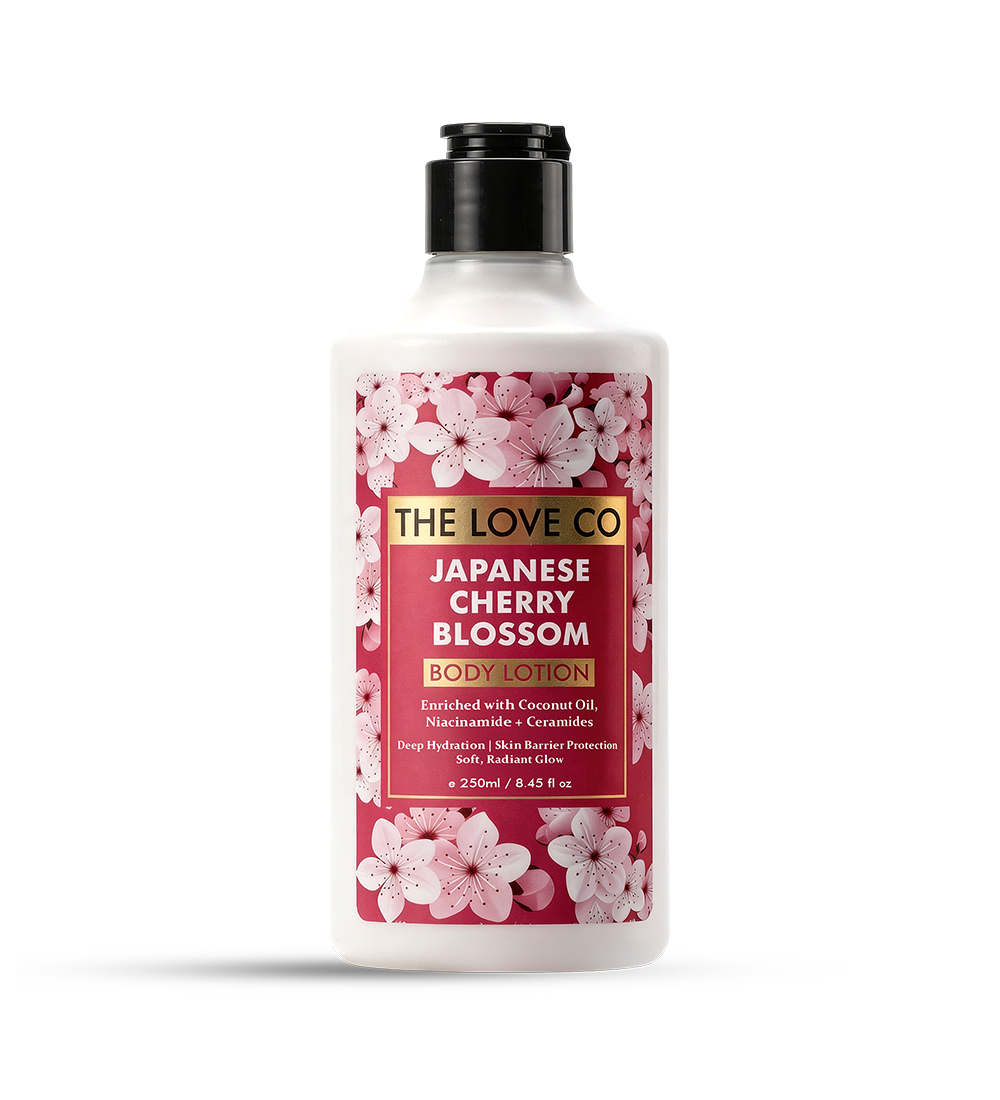
For the wet months, something light with real structure: Japanese Cherry Blossom — cherry blossom, crisp pear and mimosa, with sandalwood in the heart and cedarwood in the base holding it up.
For October onward, bring back Twilight Love and its amber-patchouli base. Browse fresh, sandalwood body care and the full body mist range.
It rained the whole way home and her husband said, from the driver's seat, that the car smelled like the first week they met.
Keep reading
- Body Mist Longevity: Why It Fades
- Olfactive Families: Find Your Scent World
- Fragrance Layering: The Complete Ritual
- India's Fragrance Heritage
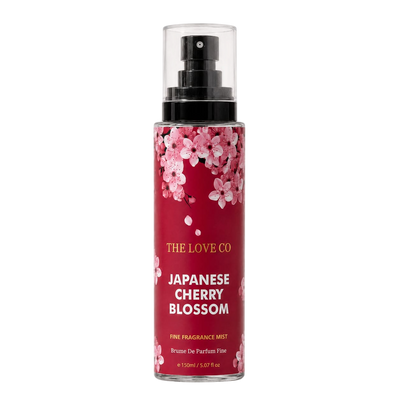
Japanese Cherry Blossom Body Mist
Cherry blossom + plum + sandalwood · Spritz, linger The Sakura signature. Bottled. A soft, fresh, feminine body mist inspired by Yoshino-valley cherry blossoms — the same petals...
A ritual is the smallest love you give yourself, daily.
— The Love Co · 26 Aug 2026